From texts by Rebecca Solnit to Jay McInerney, here’s our pick of the books to read over the summer months
While this list spans novels and non-fiction and reaches a wide range of subjects, one thing that seems to bind many of them is change, choice and decision making; the consequences of taking – or not – the ‘other’ path when the road forks. There are meditations on music, education and death as well as dreamy portraits of Miami, Sicily and Dublin. From new novels by acclaimed writers Rachel Cusk and Douglas Stuart to a shattering memoir by Siri Hustvedt and a stellar short story collection by Lucy Caldwell these are the books to get your teeth into this summer.
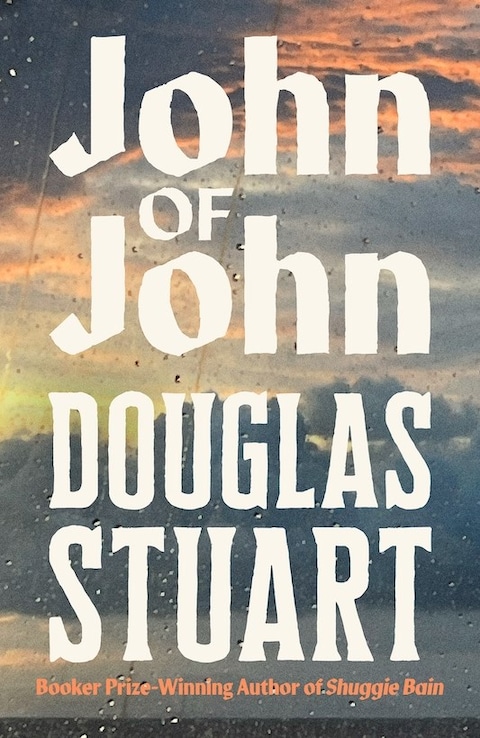
John of John by Douglas StuartCourtesy of Pan MacMillan
John of John by Douglas Stuart (Pan MacMillan, out now)
The third novel by Booker Prize winning author Stuart is set in the 1990s on Harris, a beautiful but bleak island in the Scottish Outer Hebrides, where the dwindling population is comprised of God-fearing and taciturn folk.
John-Callum, aka Cal, returns from Edinburgh – an art school graduate with no job – to work alongside his father, John, a weaver in the family croft. Their tense dynamic is underpinned by closeted queerness, the realities of rural poverty (Stuart’s previous books have focused on urban hardship), the abandoning of dreams and the governance of a religion that is stern, punitive and austere – it’s fire, brimstone and chaining children’s playground apparatus up on a Sunday.
But despite the gloom and violence, there’s the vitality of Stuart’s prose that sings with humour and his forensic attention to the details that bring the landscape to life. Colour is massively important to the story – it’s one of few things that father and son can connect over (and is essential to their craft). Both are obsessed with shade and tone and hue. As a result the chapters are saturated with colour: seashells are a “soft ear-lobey pink” while an old woman’s eyes are “two violets in a bowl of milk”. In fact, the story opens with: “Her feet were as purple as calf liver.”
Stuart’s rare ability to show humanity in people who behave appallingly makes John of John beautiful, as he asks again and again what it is to be man, to be good, to be free.
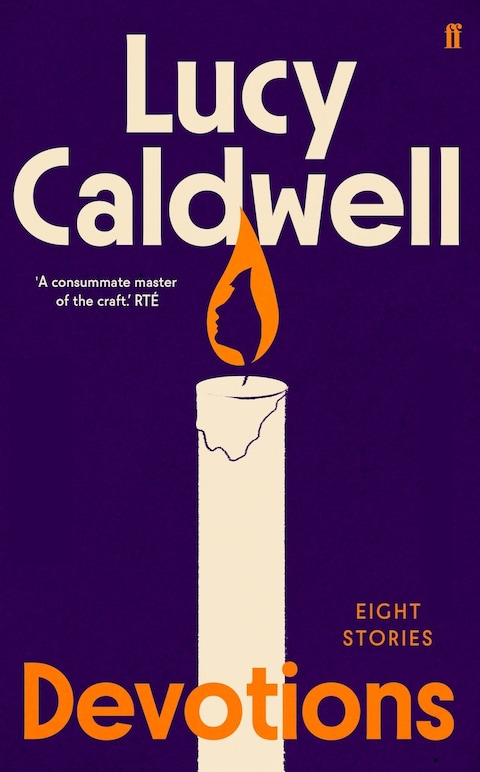
Devotions by Lucy CaldwellCourtesy of Faber
Devotions by Lucy Caldwell (Faber, out now)
Caldwell is considered a master of the short story and this new collection of eight more than proves it. The standout might well be the opening tale – Hamlet, a Love Story – which sees a woman try to navigate her way through grief as she tours with a progressive production of Hamlet, finding solace and counsel in the play’s treatment of inaction and indeed mortality. Later on, a mother struggling with her husband’s depression plasters on a smile during a busy family Christmas while she privately ruminates on how she might cope with an unplanned pregnancy. Later still, a professional musician takes a long-haul flight with her priceless, loaned violin and meditates on the hugeness of such a responsibility.
These stories pay homage to the vastness of possibility – what might have been, what might still be – via the hidden and often lonely intensity of a person’s interior world.
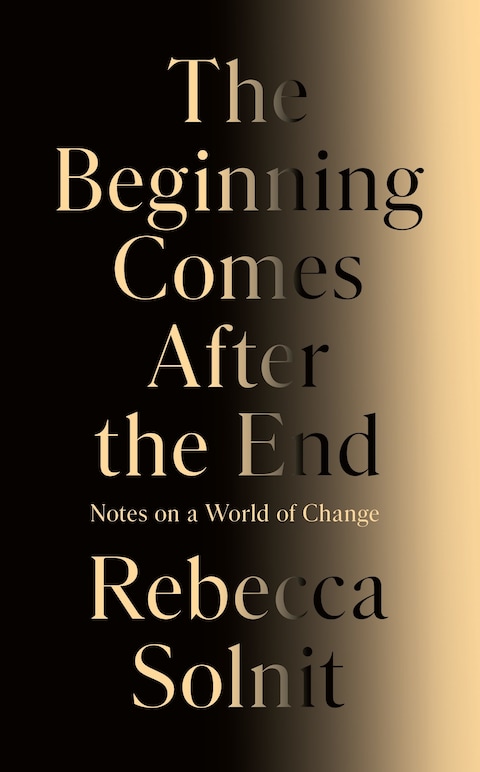
The Beginning Comes After the End by Rebecca SolnitCourtesy of Granta
The Beginning Comes After the End by Rebecca Solnit (Granta, out now)
The world is a veritable bin fire but here Solnit offers a reminder that change is possible. In her latest book, she explores the ways society has evolved and progressed in attitudes towards race, gender, consumerism and the environment in the past half century.
Solnit makes the case for interconnection, showing how amid a climate of individualism and rabid capitalism, human beings and the natural world are inextricably linked to and need one another. That despite surges of right-wing ideology – which she does not diminish the horrors of – positive change continues to happen.
Granted, that change is slow and meandering; in some cases we don’t know it’s needed. In one chapter, Shadows of the Past, Solnit explains how her own perception of misogyny formed – it involved “denormalising” the status quo and gaining access to language that sufficiently addressed “what was cruel or unfair or exploitative”. Perhaps this is why Solnit is so successful as a writer; she places herself within the landscape rather than loftily above it. This may not be an easy beach read – your grey matter needs to be firing on both cylinders – but you’ll finish it feeling galvanised and even a tiny bit cheerful.
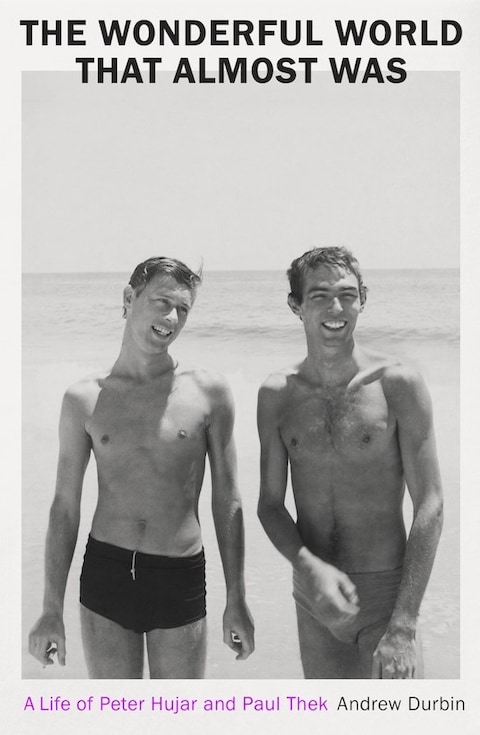
The Wonderful World that Almost Was by Andrew DurbinCourtesy of Granta
The Wonderful World that Almost Was by Andrew Durbin (Granta, out now)
A joint biography of photographer Peter Hujar and painter Paul Thek, artists whose work never received the acclaim it deserved in their lifetimes, this weighty book also serves as a portal into the past. Andrew Durbin examines how Hujar and Thek influenced one another creatively and their respective works’ cultural impact, as well as offering an insightful portrait of queer life, from Miami in the mid-1950s when the pair started their romance, to New York some 20 years later when their relationship ended.
That relationship was intense and competitive, by turns impossibly glamorous (surrounded by the likes of Andy Warhol, Fran Lebowitz and Susan Sontag) – and deeply relatable (the misery of envy, the drain of depression). It’s scandalous, sad and kind of sexy in that way that makes you nostalgic for something you never experienced.
Ambivalence by Brian DillonCourtesy of Fitzcarraldo Editions
Ambivalence by Brian Dillon (Fitzcarraldo Editions, out now)
A memoir that has a critique of education, academia, reading and knowledge at its heart, Ambivalence is also an unflinching portrait of Dublin from decades gone by and of B, a bereaved boy who dropped out of school in his mid-teens but found learning opportunities TV, music and books – from Enid Blyton to Brett Easton Ellis to Virginia Woolf. His boyhood essays are precocious and yet, “Failure arrives, as always, slowly and then suddenly.” Dillon’s writing is captivating as he documents what learning has meant to him – and would mean for countless others – at a time when education and critical thinking are under threat.
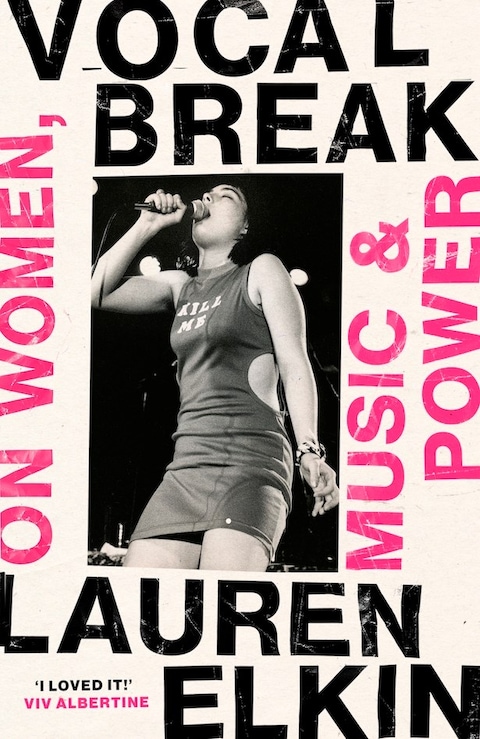
Vocal Break: On Women, Music and Power by Lauren ElkinCourtesy of Vintage
Vocal Break: On Women, Music and Power by Lauren Elkin (Vintage, out now)
This entire book explains why it feels so good to sing along to Madonna in front of the mirror using a hairbrush as a microphone. Former soprano Lauren Elkin draws on a wide range of references including Ariel from the Little Mermaid, Charlie xcx’s BRAT, medieval nuns and Britney Spears to examine the politics and might of women’s singing voices. Elkin shows how women have consistently used singing to protest, rebel and showcase their power – and illustrates how by doing so they have compelled others to, at best co-opt their voices, at worst try to literally silence them. Vocal Break is also a memoir and homage to all of the female singers who have inspired Elkin – as well as to the joyful act of singing itself.
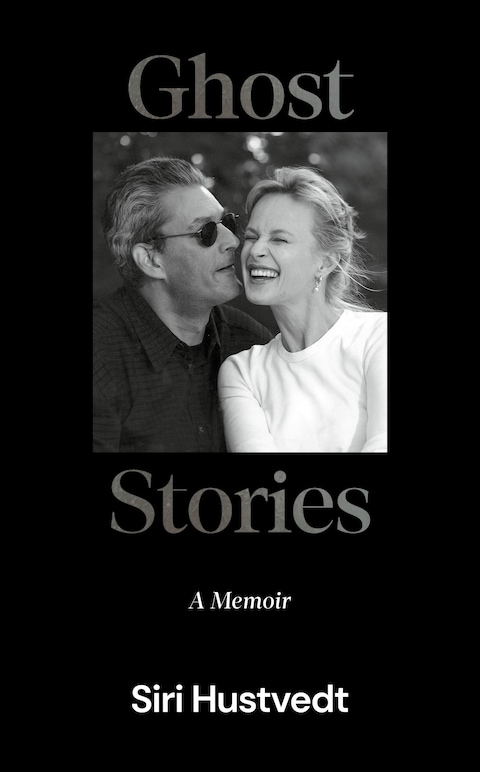
Ghost Stories by Siri HustvedtCourtesy of Sceptre
Ghost Stories by Siri Hustvedt (Sceptre, out now)
Part memoir, part eulogy, part love letter, Ghost Stories is novelist Hustvedt’s account of her 43-year relationship with her late husband, writer Paul Auster, who died from cancer in 2024, days after stating that he wanted “to come back as a ghost”. Hustvedt’s reflections on the pain of grief and loss are punctuated by love notes, journal entries and illness update emails to friends. It also includes Auster’s last ever piece of writing – the beginning of a book of letters to his baby grandson. It is almost shockingly intimate and a precise example of what people mean when they talk about grief being the price one pays for love.
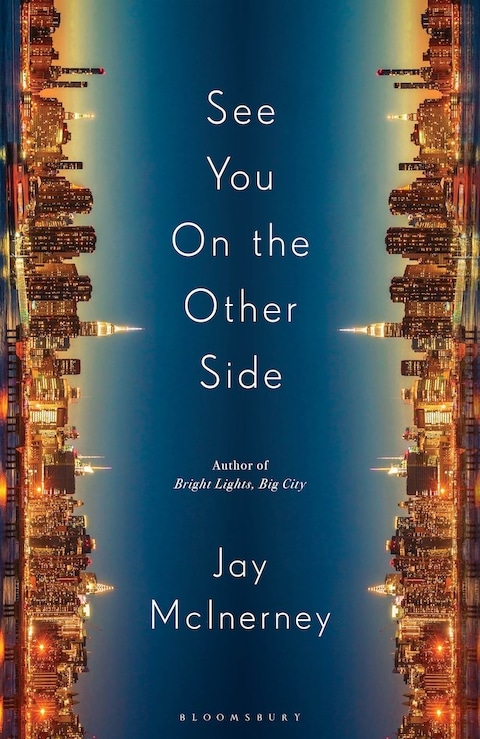
See You on the Other Side by Jay McInerneyCourtesy of Bloomsbury
See You on the Other Side by Jay McInerney (Bloomsbury, out now)
This is the fourth and final novel in the Calloway series, which has focused on a group of affluent New Yorkers across a 30-year period, and concludes as Covid-19 took hold of the world (don’t worry, if you haven’t read the first three, McInerney’s skill is such that you don’t need to). The central protagonists, Russell and Corrine Calloway are grappling with life’s inevitabilities – the horrors of aging for former party animals and a rapidly changing society that leaves them feeling anxious and unmoored. It offers an honest look at fallible boomer parents navigating their own mortality and makes for a moreish read.
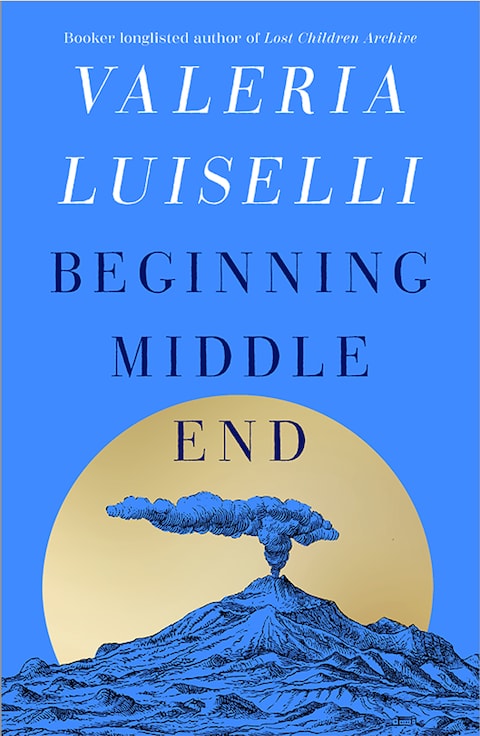
Beginning Middle End by Valeria LuiselliCourtesy of Fourth Estate
Beginning Middle End by Valeria Luiselli (Fourth Estate, 30 July)
In the aftermath of divorce, a mother takes her daughter on a trip to Sicily, where the female lineage of their family tree has roots. Both an escape and a familial excavation, the summer spent under Mount Etna becomes confronting for the narrator as she reckons with her memories, stories passed down through the generations, her sense of self and the hopes she has for her daughter.
Luiselli’s writing is rich, lyrical and moving, whether describing chopping tomatoes or meditating on the passing of time, presented in sections with titles that speak to celestial, geological and biological phenomena and echo the story. At the end there’s an appendix of sorts – postcards and polaroids that are as unexpected as they are pleasing – and add yet another layer to an already abundant story.
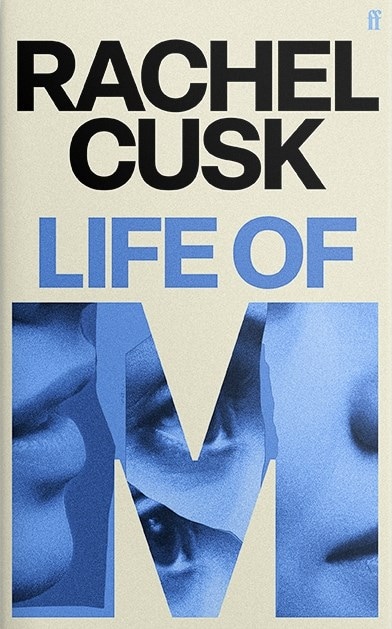
Life of M by Rachel CuskCourtesy of Faber
Life of M by Rachel Cusk (Faber, 27 August)
The narrator of Cusk’s latest novel is a biographer writing about the titular M, a beautiful silver screen star, in an attempt to grasp what it is like to be recognised, admired and famous. M is surrounded by yes people; doors literally open for her when they remain shut for others. As the narrator observes, she seems to struggle with sincerity because she simply cannot relate to the lives of ‘normal’ people. As the writer gets closer to M, she questions what it is to perform and what it is to be real – and whether it is possible to truly know the difference. It is a book about being seen, or rather whether some people have more control or skill or privilege when it comes to how they are perceived by others. Cusk’s prose is in parts spare to the point of basic – she won’t offer up specific details like names, diseases, locations but saves her words for the painstaking examining of human behaviour.
in HTML format, including tags, to make it appealing and easy to read for Japanese-speaking readers aged 20 to 40 interested in fashion. Organize the content with appropriate headings and subheadings (h1, h2, h3, h4, h5, h6), translating all text, including headings, into Japanese. Retain any existing tags from
From texts by Rebecca Solnit to Jay McInerney, here’s our pick of the books to read over the summer months
While this list spans novels and non-fiction and reaches a wide range of subjects, one thing that seems to bind many of them is change, choice and decision making; the consequences of taking – or not – the ‘other’ path when the road forks. There are meditations on music, education and death as well as dreamy portraits of Miami, Sicily and Dublin. From new novels by acclaimed writers Rachel Cusk and Douglas Stuart to a shattering memoir by Siri Hustvedt and a stellar short story collection by Lucy Caldwell these are the books to get your teeth into this summer.
John of John by Douglas StuartCourtesy of Pan MacMillan
John of John by Douglas Stuart (Pan MacMillan, out now)
The third novel by Booker Prize winning author Stuart is set in the 1990s on Harris, a beautiful but bleak island in the Scottish Outer Hebrides, where the dwindling population is comprised of God-fearing and taciturn folk.
John-Callum, aka Cal, returns from Edinburgh – an art school graduate with no job – to work alongside his father, John, a weaver in the family croft. Their tense dynamic is underpinned by closeted queerness, the realities of rural poverty (Stuart’s previous books have focused on urban hardship), the abandoning of dreams and the governance of a religion that is stern, punitive and austere – it’s fire, brimstone and chaining children’s playground apparatus up on a Sunday.
But despite the gloom and violence, there’s the vitality of Stuart’s prose that sings with humour and his forensic attention to the details that bring the landscape to life. Colour is massively important to the story – it’s one of few things that father and son can connect over (and is essential to their craft). Both are obsessed with shade and tone and hue. As a result the chapters are saturated with colour: seashells are a “soft ear-lobey pink” while an old woman’s eyes are “two violets in a bowl of milk”. In fact, the story opens with: “Her feet were as purple as calf liver.”
Stuart’s rare ability to show humanity in people who behave appallingly makes John of John beautiful, as he asks again and again what it is to be man, to be good, to be free.
Devotions by Lucy CaldwellCourtesy of Faber
Devotions by Lucy Caldwell (Faber, out now)
Caldwell is considered a master of the short story and this new collection of eight more than proves it. The standout might well be the opening tale – Hamlet, a Love Story – which sees a woman try to navigate her way through grief as she tours with a progressive production of Hamlet, finding solace and counsel in the play’s treatment of inaction and indeed mortality. Later on, a mother struggling with her husband’s depression plasters on a smile during a busy family Christmas while she privately ruminates on how she might cope with an unplanned pregnancy. Later still, a professional musician takes a long-haul flight with her priceless, loaned violin and meditates on the hugeness of such a responsibility.
These stories pay homage to the vastness of possibility – what might have been, what might still be – via the hidden and often lonely intensity of a person’s interior world.
The Beginning Comes After the End by Rebecca SolnitCourtesy of Granta
The Beginning Comes After the End by Rebecca Solnit (Granta, out now)
The world is a veritable bin fire but here Solnit offers a reminder that change is possible. In her latest book, she explores the ways society has evolved and progressed in attitudes towards race, gender, consumerism and the environment in the past half century.
Solnit makes the case for interconnection, showing how amid a climate of individualism and rabid capitalism, human beings and the natural world are inextricably linked to and need one another. That despite surges of right-wing ideology – which she does not diminish the horrors of – positive change continues to happen.
Granted, that change is slow and meandering; in some cases we don’t know it’s needed. In one chapter, Shadows of the Past, Solnit explains how her own perception of misogyny formed – it involved “denormalising” the status quo and gaining access to language that sufficiently addressed “what was cruel or unfair or exploitative”. Perhaps this is why Solnit is so successful as a writer; she places herself within the landscape rather than loftily above it. This may not be an easy beach read – your grey matter needs to be firing on both cylinders – but you’ll finish it feeling galvanised and even a tiny bit cheerful.
The Wonderful World that Almost Was by Andrew DurbinCourtesy of Granta
The Wonderful World that Almost Was by Andrew Durbin (Granta, out now)
A joint biography of photographer Peter Hujar and painter Paul Thek, artists whose work never received the acclaim it deserved in their lifetimes, this weighty book also serves as a portal into the past. Andrew Durbin examines how Hujar and Thek influenced one another creatively and their respective works’ cultural impact, as well as offering an insightful portrait of queer life, from Miami in the mid-1950s when the pair started their romance, to New York some 20 years later when their relationship ended.
That relationship was intense and competitive, by turns impossibly glamorous (surrounded by the likes of Andy Warhol, Fran Lebowitz and Susan Sontag) – and deeply relatable (the misery of envy, the drain of depression). It’s scandalous, sad and kind of sexy in that way that makes you nostalgic for something you never experienced.
Ambivalence by Brian DillonCourtesy of Fitzcarraldo Editions
Ambivalence by Brian Dillon (Fitzcarraldo Editions, out now)
A memoir that has a critique of education, academia, reading and knowledge at its heart, Ambivalence is also an unflinching portrait of Dublin from decades gone by and of B, a bereaved boy who dropped out of school in his mid-teens but found learning opportunities TV, music and books – from Enid Blyton to Brett Easton Ellis to Virginia Woolf. His boyhood essays are precocious and yet, “Failure arrives, as always, slowly and then suddenly.” Dillon’s writing is captivating as he documents what learning has meant to him – and would mean for countless others – at a time when education and critical thinking are under threat.
Vocal Break: On Women, Music and Power by Lauren ElkinCourtesy of Vintage
Vocal Break: On Women, Music and Power by Lauren Elkin (Vintage, out now)
This entire book explains why it feels so good to sing along to Madonna in front of the mirror using a hairbrush as a microphone. Former soprano Lauren Elkin draws on a wide range of references including Ariel from the Little Mermaid, Charlie xcx’s BRAT, medieval nuns and Britney Spears to examine the politics and might of women’s singing voices. Elkin shows how women have consistently used singing to protest, rebel and showcase their power – and illustrates how by doing so they have compelled others to, at best co-opt their voices, at worst try to literally silence them. Vocal Break is also a memoir and homage to all of the female singers who have inspired Elkin – as well as to the joyful act of singing itself.
Ghost Stories by Siri HustvedtCourtesy of Sceptre
Ghost Stories by Siri Hustvedt (Sceptre, out now)
Part memoir, part eulogy, part love letter, Ghost Stories is novelist Hustvedt’s account of her 43-year relationship with her late husband, writer Paul Auster, who died from cancer in 2024, days after stating that he wanted “to come back as a ghost”. Hustvedt’s reflections on the pain of grief and loss are punctuated by love notes, journal entries and illness update emails to friends. It also includes Auster’s last ever piece of writing – the beginning of a book of letters to his baby grandson. It is almost shockingly intimate and a precise example of what people mean when they talk about grief being the price one pays for love.
See You on the Other Side by Jay McInerneyCourtesy of Bloomsbury
See You on the Other Side by Jay McInerney (Bloomsbury, out now)
This is the fourth and final novel in the Calloway series, which has focused on a group of affluent New Yorkers across a 30-year period, and concludes as Covid-19 took hold of the world (don’t worry, if you haven’t read the first three, McInerney’s skill is such that you don’t need to). The central protagonists, Russell and Corrine Calloway are grappling with life’s inevitabilities – the horrors of aging for former party animals and a rapidly changing society that leaves them feeling anxious and unmoored. It offers an honest look at fallible boomer parents navigating their own mortality and makes for a moreish read.
Beginning Middle End by Valeria LuiselliCourtesy of Fourth Estate
Beginning Middle End by Valeria Luiselli (Fourth Estate, 30 July)
In the aftermath of divorce, a mother takes her daughter on a trip to Sicily, where the female lineage of their family tree has roots. Both an escape and a familial excavation, the summer spent under Mount Etna becomes confronting for the narrator as she reckons with her memories, stories passed down through the generations, her sense of self and the hopes she has for her daughter.
Luiselli’s writing is rich, lyrical and moving, whether describing chopping tomatoes or meditating on the passing of time, presented in sections with titles that speak to celestial, geological and biological phenomena and echo the story. At the end there’s an appendix of sorts – postcards and polaroids that are as unexpected as they are pleasing – and add yet another layer to an already abundant story.
Life of M by Rachel CuskCourtesy of Faber
Life of M by Rachel Cusk (Faber, 27 August)
The narrator of Cusk’s latest novel is a biographer writing about the titular M, a beautiful silver screen star, in an attempt to grasp what it is like to be recognised, admired and famous. M is surrounded by yes people; doors literally open for her when they remain shut for others. As the narrator observes, she seems to struggle with sincerity because she simply cannot relate to the lives of ‘normal’ people. As the writer gets closer to M, she questions what it is to perform and what it is to be real – and whether it is possible to truly know the difference. It is a book about being seen, or rather whether some people have more control or skill or privilege when it comes to how they are perceived by others. Cusk’s prose is in parts spare to the point of basic – she won’t offer up specific details like names, diseases, locations but saves her words for the painstaking examining of human behaviour.
and integrate them seamlessly into the new content without adding new tags. Ensure the new content is fashion-related, written entirely in Japanese, and approximately 1500 words. Conclude with a “結論” section and a well-formatted “よくある質問” section. Avoid including an introduction or a note explaining the process.