Rewrite
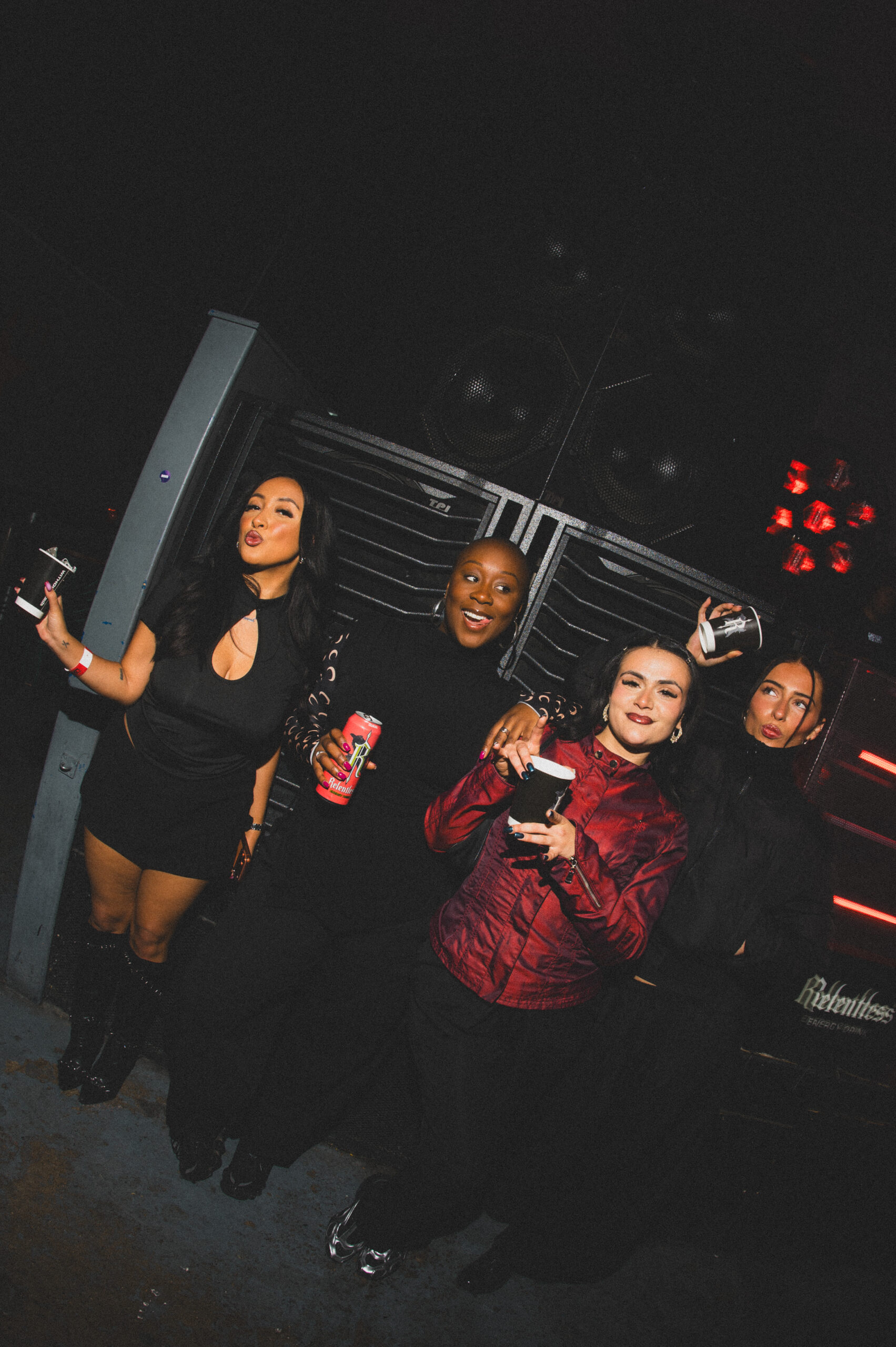
Emerging as one of Britain’s most important DJ collectives of the moment, Girls Don’t Sync have the music to match their messaging. Heading up Relentless’ Local’ initiative, aimed at spotlighting grassroots communities, the quartet talks inception, connection, and reclaiming the dance floor.
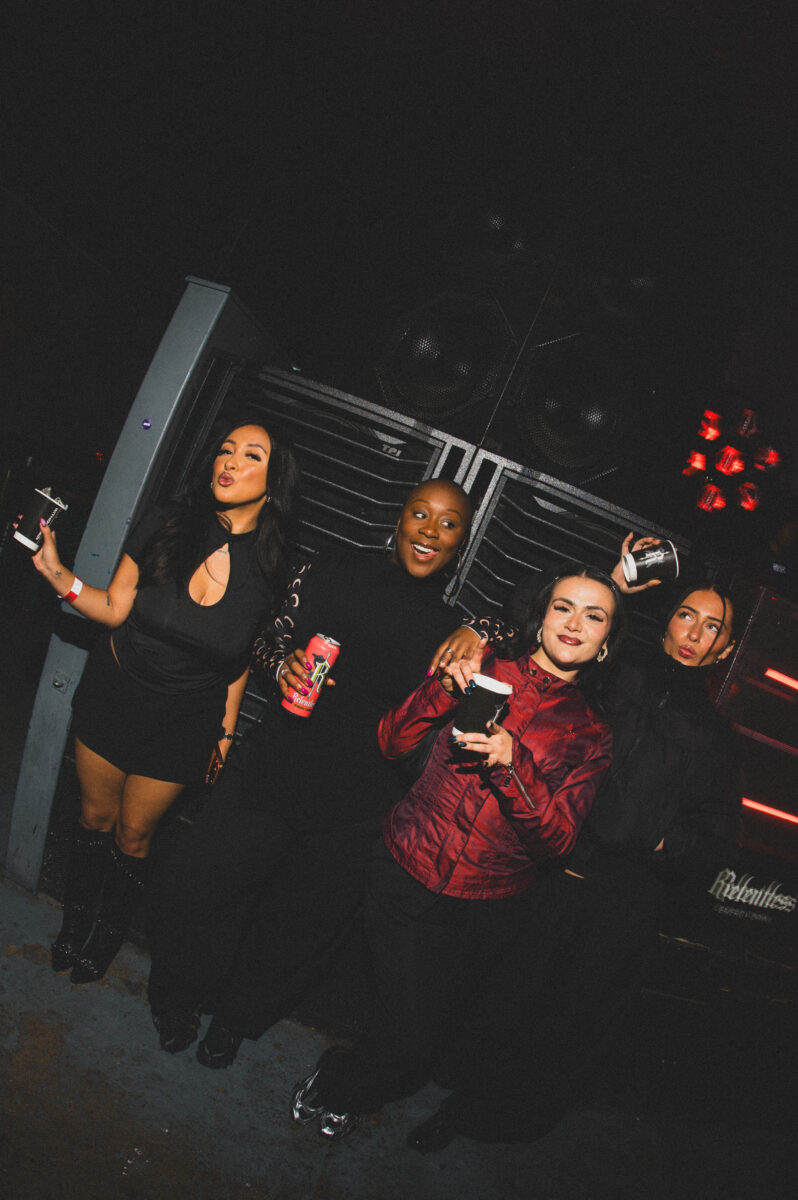
As the music industry burrows deeper into the muddy unknowns of fast-evolving technology and fickle social media, the roots of what came before – community, collectivity, activism – are in danger of being lost beneath the unkempt shrubbery; the fame chasing, the clickbait, the commercialism. Clubs are closing, culture is waning. It’s about time we woke up.
Some have long been conscious, finding their small but significant pockets amid the madness to put forward their mantra for growth and evolution. In step: Girls Don’t Sync. Four women in a scene dominated by men since its genesis. Boundary pushers in musical style – influenced by UK club culture and the Black diaspora, underground rave embellishments and South Asian intricacies alike. Resistant in their vision, and creative in their conviction.
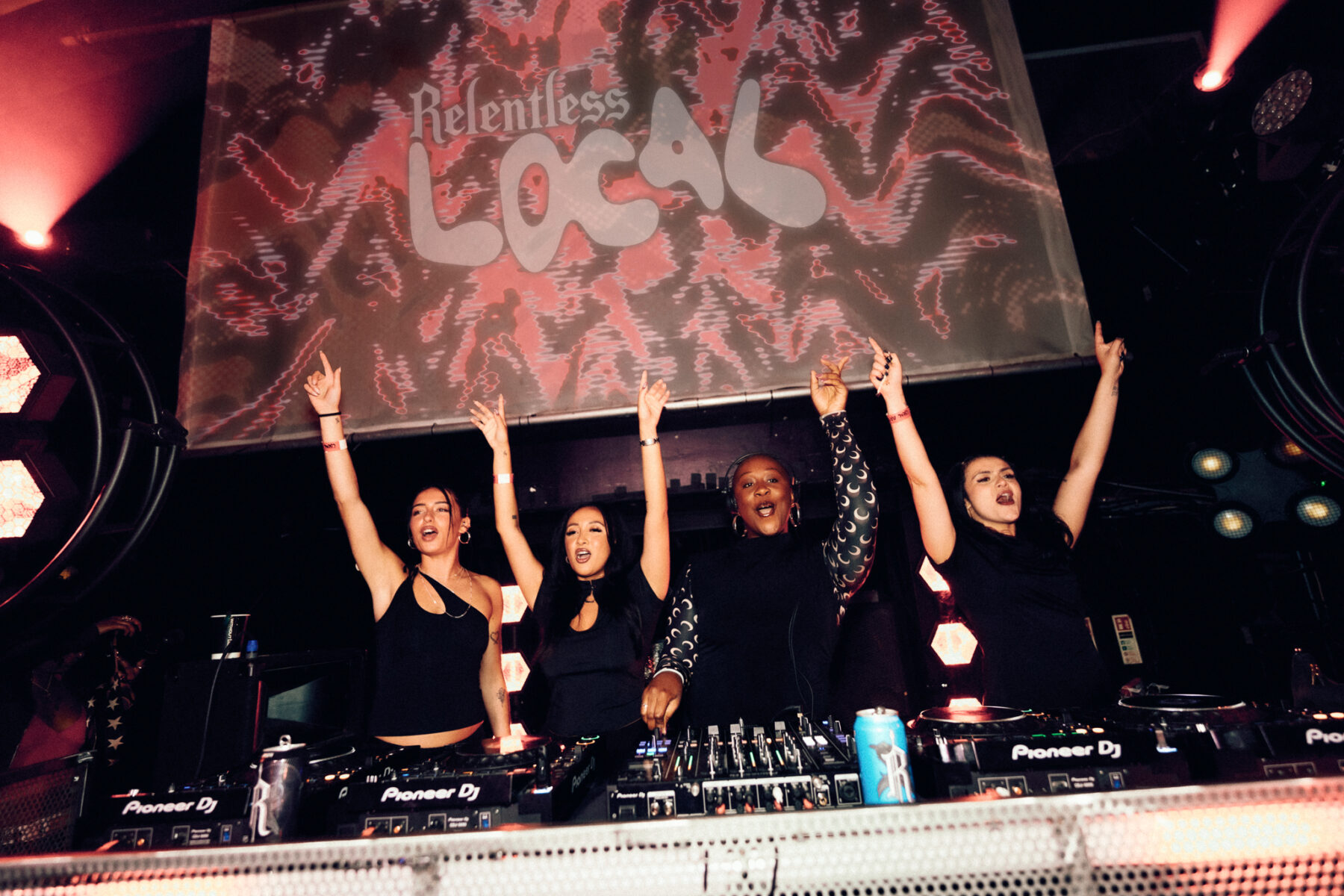
Formed in Liverpool in 2019, the powerhouse dance collective consisting of DJs Gaia Ahuja, Matty Chiabi, Hannah Lynch and Sophia Violet are local, lively, and living it large. Last year’s debut EP, “Code Orange”, introduced them to the wider electronic music climate, but they’d long been filling dance floors and spreading joy in their immediate cultural ecosystem. Now, with shows ticked off from Australia to Ibiza to Glastonbury, and the attitude and messaging to match, GDS have the standing to exact real change in British dance music. To get young people off their sofas, away from their perpetual scrolling, and onto the dancefloor.
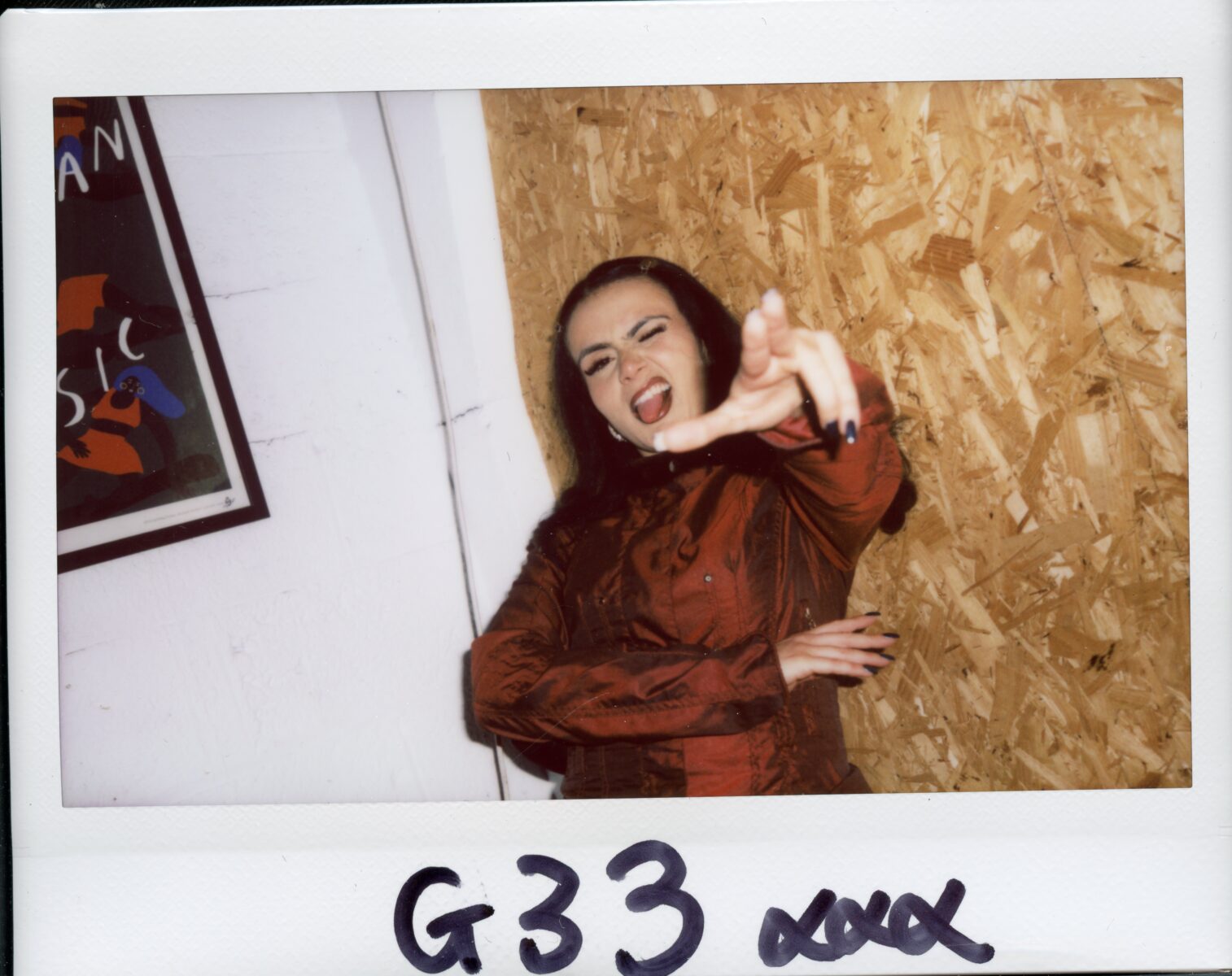
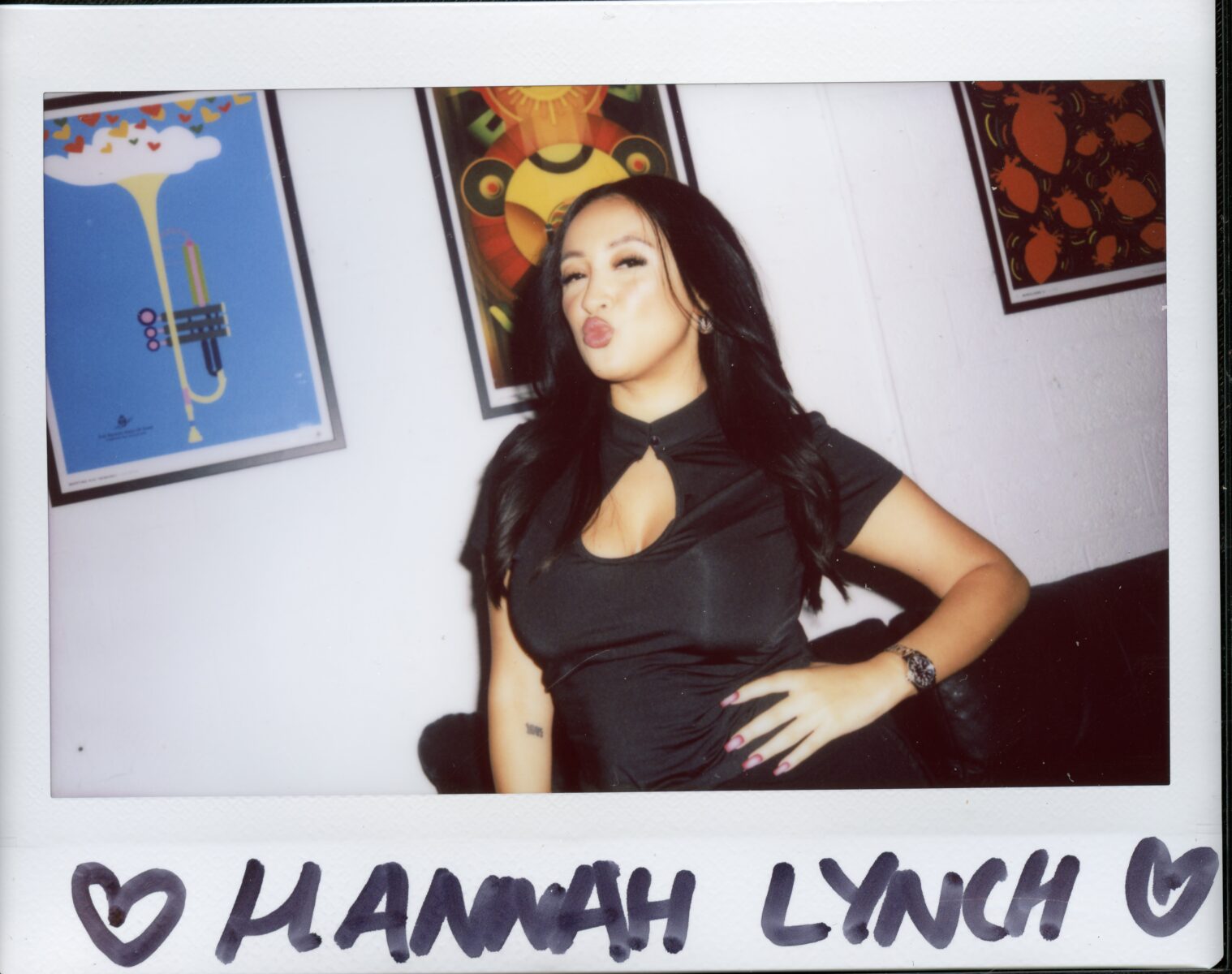
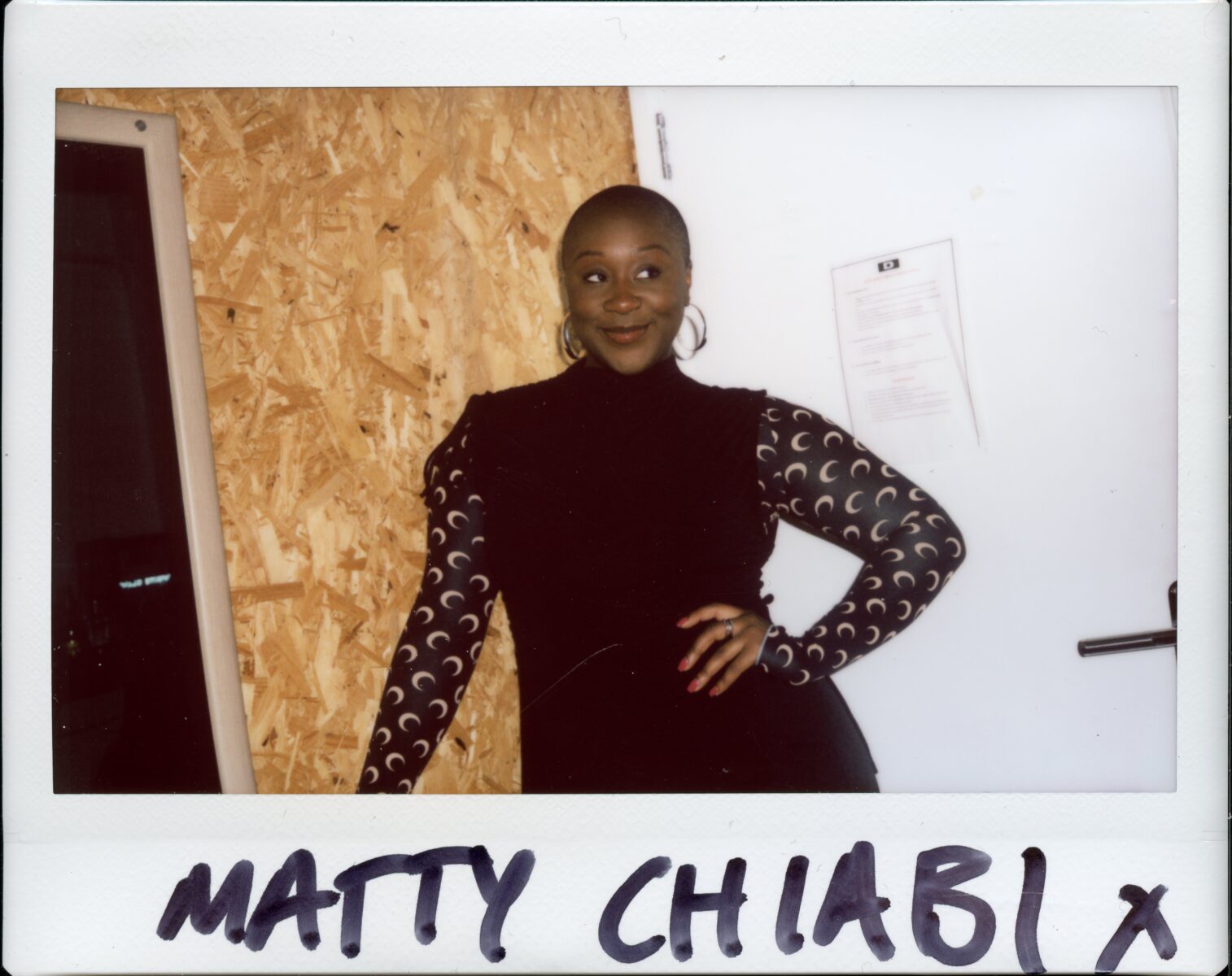
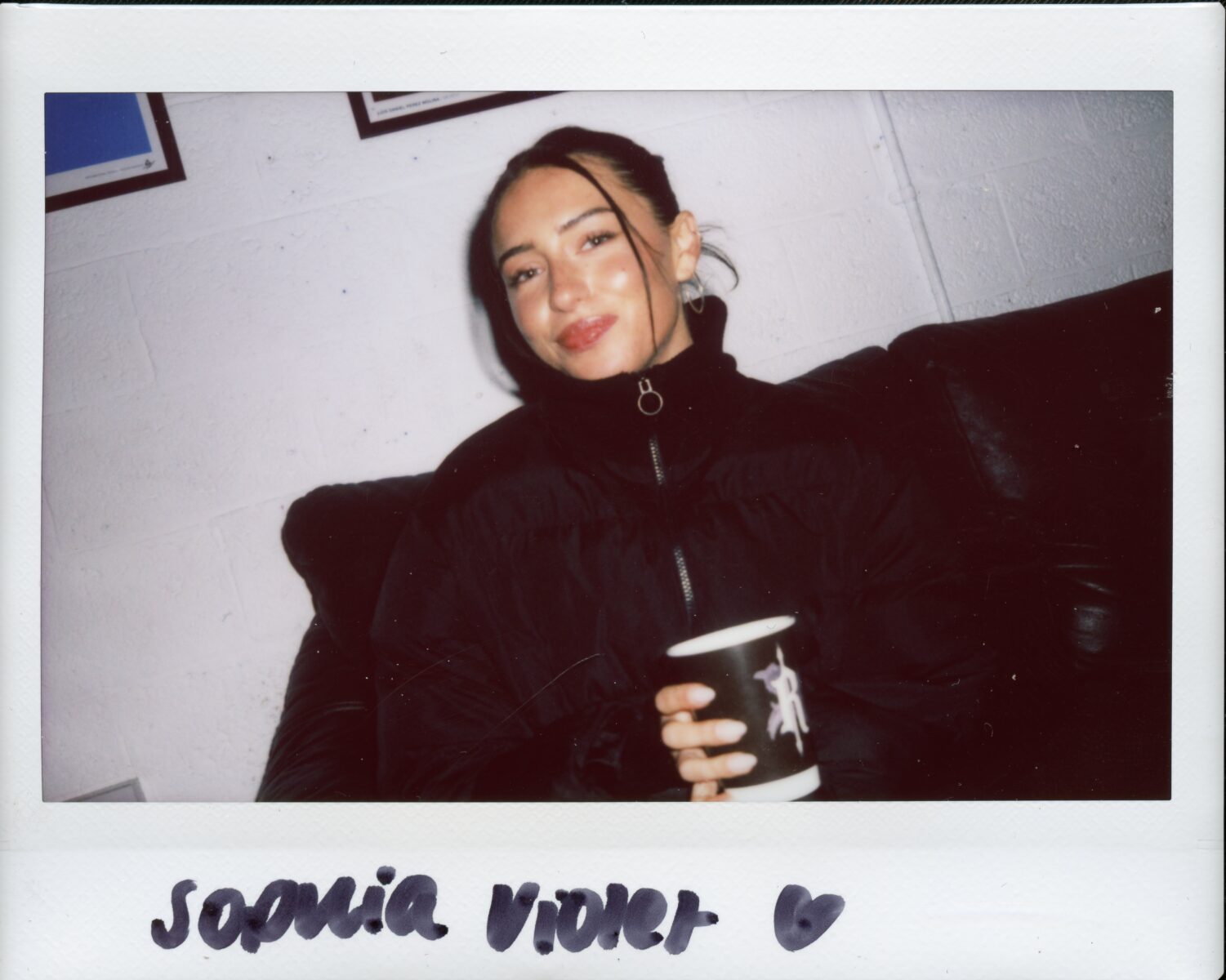
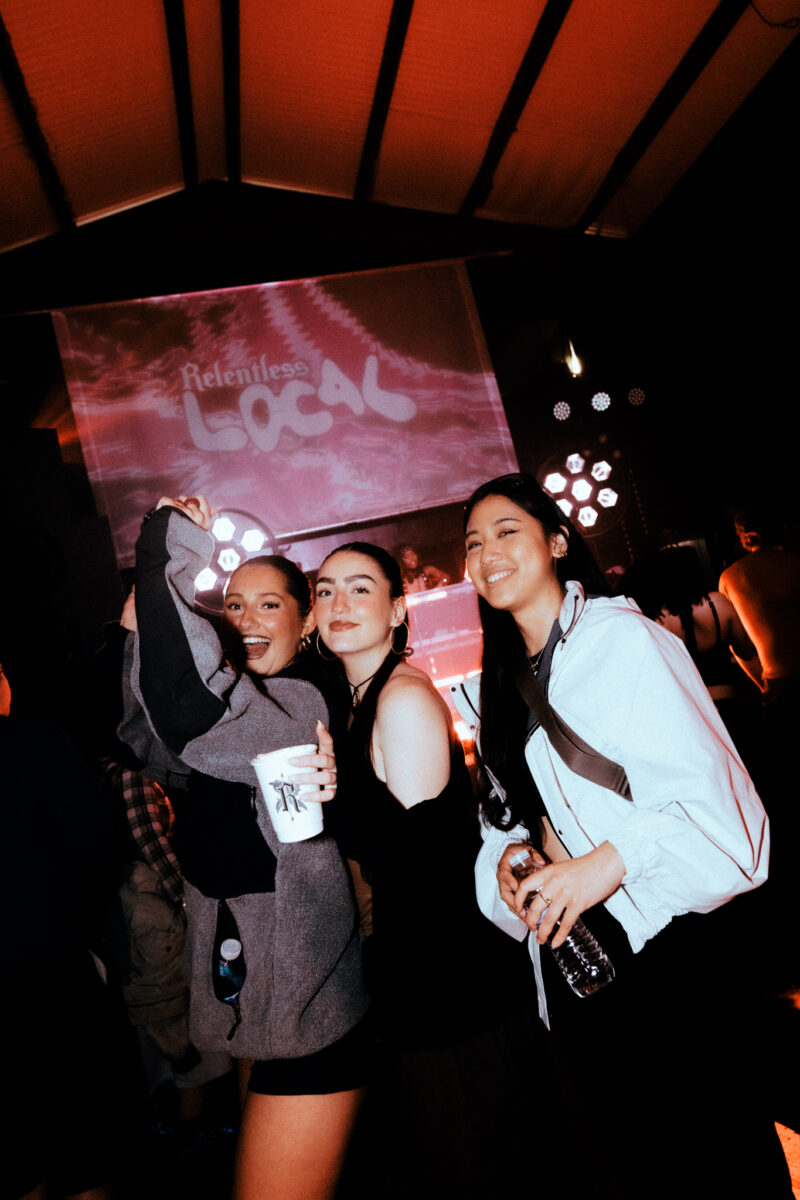
Proud champions of their founding homebase, Liverpool, and emblems of what club culture can achieve, it’s only right that Gaia, Matty, Hannah and Sophia are the faces of Relentless’ latest initiative. Suitably coined ‘Local’, the launch is aimed at supporting grassroots music through a 20K fund and event series. Rather than looking for new talent, the focus of the endeavour is very much on spotlighting already established collectives in their communities, who haven’t been afforded the same opportunities that contemporaries from London may have.
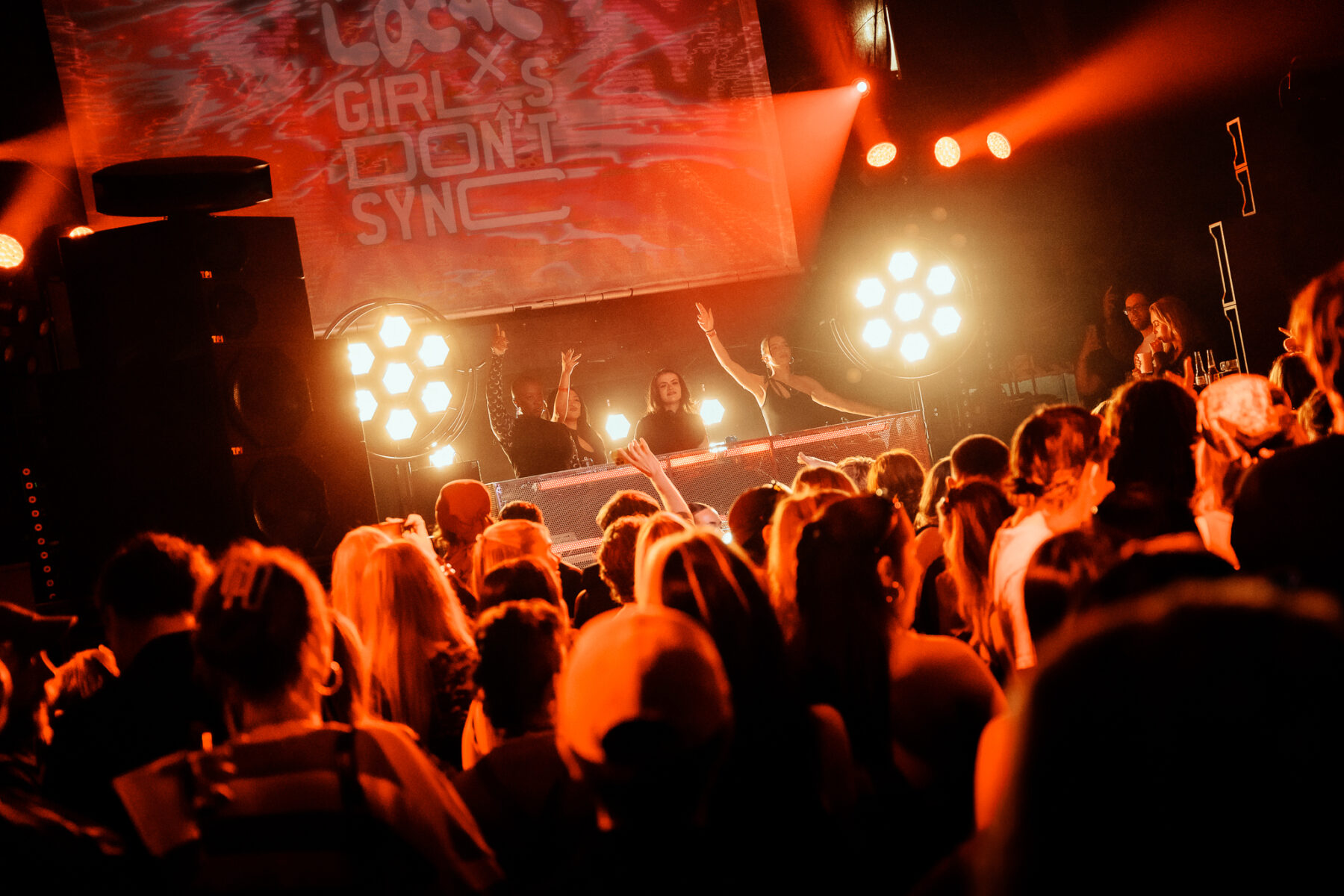
Applications are open for wannabe winners via the Relentless Freeform website, with Girls Don’t Sync set to hand-select four winning collectives, all of whom will receive their share of the £20,000, and be given the tools – such as a soundsystem rental and promotion aid – to throw their own event in their local area. To kick things off, Girls Don’t Sync threw their own event last week, a special homecoming party at the venue where they played their first ever show, District, in Liverpool’s Baltic Triangle.
Wonderland caught up with the girls in the days before they played to a sold-out crowd, discussing their journey so far, reflecting on why this initiative makes so much sense, and pinpointing how we get the next generation to discover the magic of the rave.
Read the exclusive interview…
How did you guys form as a collective, and what works so well about Girls Don’t Sync?
Gaia: We met five years ago this year, officially as a group. Me and Matty grew up together. We went to school together in South London, which was very transformative and a big factor as to why we are who we are and why we like what we like. Matty also went to university in Manchester, so she had that connection with the North as well. I was going to university in Liverpool. After I graduated, I was working in a club and as a youth worker at the same time. I met Sophia because she used to come to the club. She was part of a student garage night called ‘Pinnacles of Garage’. And we just became mates, because she was probably one of the very few female DJs that was coming in at the time. I’d actually asked to shadow Hannah because she was one of only a few female DJs in Liverpool, and everybody knew about Hannah Lynch, that’s for sure. I asked her to do some workshops at the youth club, and we ended up doing them together and forming a friendship.
Off the back of that, the club I was working in was obviously struggling post-COVID. The idea came up, quite naturally, of us putting on a DJ night that celebrated the students that we were teaching and upcoming female DJs in the Northwest. Matty was coming to Liverpool often as well, and I knew Sophia from the club. They were kind of the three closest female DJ mates I had at the time.
We started off as promoters, and the whole concept was about shining a light on upcoming talent, particularly women and underrepresented communities. Then, we started playing out and getting booked as a four, and then we did a stream for Mixmag that launched us online, about three and a half, four years ago. I’d say that was the catalyst moment that shifted our career.
The magic that makes us who we are is our friendship because our careers wouldn’t have happened without it. The bond that we have with each other and the experiences that we’ve had – the good, the bad, the ugly. We’ve done it all together, and we’ve always used Girls Don’t Sync as a vessel to stay true to that original ethos about celebrating people, talent and connecting people together.
It’s such a difficult industry to make your name and maintain yourself in, especially as a female DJ. How do you support each other through it?
Hannah: There’s a sisterhood around it. Having each other is like a safety net. Even when it comes to things like having more confidence, we all inspire each other in so many different ways, so we’re able to bring out the best in each other.
Matty: There’s strength in numbers. There are a lot of things that, as a solo DJ, you might have to do for the first time, whether it’s writing an invoice, walking into a green room, or going home from a gig alone for the first time. These are things that we don’t necessarily need to think about extensively because we’ve got a supportive team around us and we’re a four. I’ve heard stories from a lot of female DJs about how getting home from the club was horrible, or having to ask men on the lineup to walk them to their hotel. We don’t really have that worry because we’re always together. Even when there has been an issue or one of us has felt like they’ve been spoken to in a certain way, or one of us has felt like we maybe can’t necessarily stick up for ourselves, there is always another member to do the talking and to – you know what I’m talking about. It’s one of our biggest superpowers that I think we forget that we have because we’re so used to being together, but it’s actually such a big bonus.
What are some of the struggles that you continue to face?
Sophia: We’re well-versed in dealing with situations, and we have a really good team around us. But online, it never stops. There are always those comments, and they still are going to affect you. Even though you’ve seen so many good comments, even if the crowd is jumping up and down loving it, the sexist comments online never get easier to deal with. They’re always going to stay in your head when that’s there. But again, because we have each other, we can talk these things out and feel the support of each other.
Gaia: A lot of female DJs face that, and they have to go through those emotions alone. The first time we were all launched online was when we did the Mixmag stream, and that definitely welcomed a whole variety of comments – it’s not even just about our DJing, but also personal stuff about what we look like, who we are, what we represent. I feel like that could have really shaken us, but instead, we incorporated it into our brand. Even our name is something that’s used as a stigma against female DJs, but we were able to create an armour through it. It doesn’t necessarily get easier, but I’ve seen so many more female collectives, the likes of Not Bad For A Girl, Sexy Lady Massive, just really taking back that control and that autonomy and using these vessels of hatred as part of their defiance, in their performances and in their ethos. And I think that’s really empowering.
With all of this in mind, you feel like the perfect act to head up the Relentless partnership. How did you first get involved?
Matty: I feel like it was quite collaborative. It was a no-brainer, an opportunity to put regional collectives on the map and to provide them with an opportunity to do something concrete – putting on an event, bringing in other people from their network and putting local lineups together. That’s something that is obviously so important to us, and it’s like how we started ourselves. We’re really, really happy and proud to be involved in something like this that is so tangible.
Do you think that there’s been a shift in the narrative about being from London? Do you think, as an industry, it’s gotten easier to build a career and an artistic community around local scenes?
Sophia: Social media has made it easier to blur the boundaries of where you’re from and geography doesn’t come into it as much. But this Relentless project is so important because a lot of people are still finding themselves feeling stuck or unable to access things that people in London can. When there’s less access and funding in these areas, it is just generally harder. As much as it’s easier to put yourself on and give yourself a platform now, because of social media, some things can’t be solved by the internet. This project is giving people an actual physical boost and a tangible platform.
Hannah: It’s also an opportunity for the people on the lineup to play in front of a full crowd. We’ve sold out the show, so for them to play out in front of a crowd and get paid and celebrated for what they’re doing in their local area is really important.
Matty: This opportunity is reminding people that there is a lot of power in being from a regional city as well. We all know that London is so saturated and can be very overwhelming. This is a real opportunity to show that there is a big sense of community that you don’t get in London. It can be really hard to find your feet, even though there’s so much going on. We’ve witnessed it firsthand from the very start of Girls Don’t Sync – how important community is and how far community can take you. Hopefully, the collectives that win will see that from their night. They’ll hopefully have sold out shows, and it will be amazing to give them that boost to carry on doing what they’re doing. If they feel like they need to make it to London, hopefully that will be another stepping stone to doing that. But I don’t think that’s the be all and end all.
Gaia: Even if they don’t end up getting the grant, it’s still a great representation. Some initiatives and brands actually care and are willing to put their money where their mouth is, in terms of representing and flying the flag for regional talent. So even if people apply but don’t get the funding, it might inspire the next wave of promoters from that same city to keep going, so it’s a win across the board – for promoters and DJs to see themselves recognised, especially by a major brand.
You’re handpicking the winners – what are you looking for in the hopeful collectives?
Sophia: It’s good that this is for people who have already been putting in a shift. So many people now want to be DJs and have a platform just to have a platform, in quite a performative way. What we’re looking for are people who really have a passion for music and have a genuine meaning behind what they’re doing, and it’s showcased through what they’ve already done. It’s easy to tell straight away when someone is genuinely passionate compared to when someone is doing something for a platform or for something temporary. The work that people have been putting in is reflective of how much work they’re willing to put in in the future.
Gaia: And for promoters as well; to be a promoter is not easy. We did it. We know when you have to put so much of your own time, effort, and money into it – whether it’s something as simple as throwing £40 on Instagram ads or paying a designer to make your artwork, or ensuring that somebody is shooting the night and you’ve got a videographer. There’s so much that goes into it, in terms of funding, especially if you’re a younger promoter. Whether you’re a student or you’re part of that next generation, that’s ultimately attempting to sustain nightlife. This is a grant and an opportunity for promoters that are part of the fabric and the ecosystem that goes into sustaining this culture that we’ve been part of, and we’ll continue to be part of. In recent years especially, we’ve seen the decline of clubs. We’ve seen so many venues and spaces that we first came up to close their doors. Opportunities like this hopefully mean nightlife is going to be in safe hands because there’s a new wave of promoters that care and are dedicated to being part of this community that all feeds into itself, saving nightlife and sustaining club culture in the UK.
Hannah: With these collectives that are applying, we’ll be looking at how they’re actually connecting with their community, especially in their local areas, and how they represent where they’re from.
As people flying the flag for nightlife and being really important in the framework of it, how do we get the next, younger generation out to clubs and nights out? How do we build it back up to where it once was?
Sophia: By getting them to go to something that they really love once. It’s about the gentle encouragement to just try things out. There’s a big wellness culture that, by all means, is great, but is also killing real human connection and human experience. If we can encourage people to have one great experience, a night where they have that human connection and feel a sense of community through music, then they’ll be encouraged to do it again and again.
Gaia: We’re living in an age where a lot of things exist in a digital space, so encouraging people to actually go out and interact with people, not through the prism of their phone, is also really important. It’s also to do with access in terms of funding and tickets. We’ve had quite a few people message us at times, and they’ve been like, ‘Love you guys, I’d love to come, but I’m a university student, and I can’t quite afford it this month.’ Especially when we’re on bigger lineups, things are getting a lot more expensive. We always try to make a habit of allowing our community to come to our shows that we have control over. We would never want finances to be a barrier for them to come to our shows. So we’ve put a lot of people on that have just sent us really genuine messages who are clearly fans. The fact that the tickets [for the Liverpool headline show] are five quid and it’s in the venue we first did our first event in, as promoters, is a full circle moment. But it’s obviously difficult at times to keep ticket prices low. Where we can, we should encourage it, and encourage people to also invest in this stuff. When me and Matty were really young, and we had no money, we got ourselves to all these festivals because we worked jobs or we’d saved up. There’s a big shift in the younger generation; seeing what is trending at the moment, and maybe going to get a matcha or going to a pilates class is a little bit more attractive to them than going to a warehouse rave. But music, club culture, nightlife – this is something that’s cross-generational. There’ll always be communities and subcultures that flourish from that.
Matty: Clubbing these days feels like a luxury, almost, because it’s so expensive. But when I was younger – when me and Gaia were in our proper rave days – we were outside, Friday, Saturday, every single weekend of the month. It was way more affordable back then, but also the DJs that we wanted to see were a lot more accessible as well. This is why we’re so proud to be doing what we’re doing and doing this Relentless collab at District as well, because the bigger you get as a DJ, the more exclusive it becomes. You’re seeing your favourite DJ at a massive warehouse or a huge venue or when they’re on tour, rather than seeing them at a small local club. It just doesn’t happen as often, which is why doing this at District is such a treat because people haven’t seen us back in a local club for so long.
And those shows are always better, let’s be real.
Gaia: Exactly. There’s a level of intimacy there. We love playing on the big stages, and it has such a great impact for us – we’re such a visual act when it comes to the way we perform. But there is something really sacred about that level of intimacy in those smaller-cap venues. It gives us an undeniable boost of energy. That’s where we’ve come from – we’ve not fast-tracked and started playing on big stages to thousands of people. We started off by playing to about 50 people, if that.
What’s the rest of the year look like for Girls Don’t Sync?
Hannah: Well, we’ll be in the studio a lot. We’ve got lots of ideas for new music. We are doing quite a few festivals this year that we’ve not done before. We’re doing a lot of shows across Europe. So yeah, lots of exciting new things.
Apply to Local here for the chance to win up to £5k in grants to put on your own night. Applications close Friday 29th May, 23.59.
Words – Ben Tibbits
in HTML format, including tags, to make it appealing and easy to read for Japanese-speaking readers aged 20 to 40 interested in fashion. Organize the content with appropriate headings and subheadings (h1, h2, h3, h4, h5, h6), translating all text, including headings, into Japanese. Retain any existing
tags from
Emerging as one of Britain’s most important DJ collectives of the moment, Girls Don’t Sync have the music to match their messaging. Heading up Relentless’ Local’ initiative, aimed at spotlighting grassroots communities, the quartet talks inception, connection, and reclaiming the dance floor.
As the music industry burrows deeper into the muddy unknowns of fast-evolving technology and fickle social media, the roots of what came before – community, collectivity, activism – are in danger of being lost beneath the unkempt shrubbery; the fame chasing, the clickbait, the commercialism. Clubs are closing, culture is waning. It’s about time we woke up.
Some have long been conscious, finding their small but significant pockets amid the madness to put forward their mantra for growth and evolution. In step: Girls Don’t Sync. Four women in a scene dominated by men since its genesis. Boundary pushers in musical style – influenced by UK club culture and the Black diaspora, underground rave embellishments and South Asian intricacies alike. Resistant in their vision, and creative in their conviction.
Formed in Liverpool in 2019, the powerhouse dance collective consisting of DJs Gaia Ahuja, Matty Chiabi, Hannah Lynch and Sophia Violet are local, lively, and living it large. Last year’s debut EP, “Code Orange”, introduced them to the wider electronic music climate, but they’d long been filling dance floors and spreading joy in their immediate cultural ecosystem. Now, with shows ticked off from Australia to Ibiza to Glastonbury, and the attitude and messaging to match, GDS have the standing to exact real change in British dance music. To get young people off their sofas, away from their perpetual scrolling, and onto the dancefloor.
Proud champions of their founding homebase, Liverpool, and emblems of what club culture can achieve, it’s only right that Gaia, Matty, Hannah and Sophia are the faces of Relentless’ latest initiative. Suitably coined ‘Local’, the launch is aimed at supporting grassroots music through a 20K fund and event series. Rather than looking for new talent, the focus of the endeavour is very much on spotlighting already established collectives in their communities, who haven’t been afforded the same opportunities that contemporaries from London may have.
Applications are open for wannabe winners via the Relentless Freeform website, with Girls Don’t Sync set to hand-select four winning collectives, all of whom will receive their share of the £20,000, and be given the tools – such as a soundsystem rental and promotion aid – to throw their own event in their local area. To kick things off, Girls Don’t Sync threw their own event last week, a special homecoming party at the venue where they played their first ever show, District, in Liverpool’s Baltic Triangle.
Wonderland caught up with the girls in the days before they played to a sold-out crowd, discussing their journey so far, reflecting on why this initiative makes so much sense, and pinpointing how we get the next generation to discover the magic of the rave.
Read the exclusive interview…
How did you guys form as a collective, and what works so well about Girls Don’t Sync?
Gaia: We met five years ago this year, officially as a group. Me and Matty grew up together. We went to school together in South London, which was very transformative and a big factor as to why we are who we are and why we like what we like. Matty also went to university in Manchester, so she had that connection with the North as well. I was going to university in Liverpool. After I graduated, I was working in a club and as a youth worker at the same time. I met Sophia because she used to come to the club. She was part of a student garage night called ‘Pinnacles of Garage’. And we just became mates, because she was probably one of the very few female DJs that was coming in at the time. I’d actually asked to shadow Hannah because she was one of only a few female DJs in Liverpool, and everybody knew about Hannah Lynch, that’s for sure. I asked her to do some workshops at the youth club, and we ended up doing them together and forming a friendship.
Off the back of that, the club I was working in was obviously struggling post-COVID. The idea came up, quite naturally, of us putting on a DJ night that celebrated the students that we were teaching and upcoming female DJs in the Northwest. Matty was coming to Liverpool often as well, and I knew Sophia from the club. They were kind of the three closest female DJ mates I had at the time.
We started off as promoters, and the whole concept was about shining a light on upcoming talent, particularly women and underrepresented communities. Then, we started playing out and getting booked as a four, and then we did a stream for Mixmag that launched us online, about three and a half, four years ago. I’d say that was the catalyst moment that shifted our career.
The magic that makes us who we are is our friendship because our careers wouldn’t have happened without it. The bond that we have with each other and the experiences that we’ve had – the good, the bad, the ugly. We’ve done it all together, and we’ve always used Girls Don’t Sync as a vessel to stay true to that original ethos about celebrating people, talent and connecting people together.
It’s such a difficult industry to make your name and maintain yourself in, especially as a female DJ. How do you support each other through it?
Hannah: There’s a sisterhood around it. Having each other is like a safety net. Even when it comes to things like having more confidence, we all inspire each other in so many different ways, so we’re able to bring out the best in each other.
Matty: There’s strength in numbers. There are a lot of things that, as a solo DJ, you might have to do for the first time, whether it’s writing an invoice, walking into a green room, or going home from a gig alone for the first time. These are things that we don’t necessarily need to think about extensively because we’ve got a supportive team around us and we’re a four. I’ve heard stories from a lot of female DJs about how getting home from the club was horrible, or having to ask men on the lineup to walk them to their hotel. We don’t really have that worry because we’re always together. Even when there has been an issue or one of us has felt like they’ve been spoken to in a certain way, or one of us has felt like we maybe can’t necessarily stick up for ourselves, there is always another member to do the talking and to – you know what I’m talking about. It’s one of our biggest superpowers that I think we forget that we have because we’re so used to being together, but it’s actually such a big bonus.
What are some of the struggles that you continue to face?
Sophia: We’re well-versed in dealing with situations, and we have a really good team around us. But online, it never stops. There are always those comments, and they still are going to affect you. Even though you’ve seen so many good comments, even if the crowd is jumping up and down loving it, the sexist comments online never get easier to deal with. They’re always going to stay in your head when that’s there. But again, because we have each other, we can talk these things out and feel the support of each other.
Gaia: A lot of female DJs face that, and they have to go through those emotions alone. The first time we were all launched online was when we did the Mixmag stream, and that definitely welcomed a whole variety of comments – it’s not even just about our DJing, but also personal stuff about what we look like, who we are, what we represent. I feel like that could have really shaken us, but instead, we incorporated it into our brand. Even our name is something that’s used as a stigma against female DJs, but we were able to create an armour through it. It doesn’t necessarily get easier, but I’ve seen so many more female collectives, the likes of Not Bad For A Girl, Sexy Lady Massive, just really taking back that control and that autonomy and using these vessels of hatred as part of their defiance, in their performances and in their ethos. And I think that’s really empowering.
With all of this in mind, you feel like the perfect act to head up the Relentless partnership. How did you first get involved?
Matty: I feel like it was quite collaborative. It was a no-brainer, an opportunity to put regional collectives on the map and to provide them with an opportunity to do something concrete – putting on an event, bringing in other people from their network and putting local lineups together. That’s something that is obviously so important to us, and it’s like how we started ourselves. We’re really, really happy and proud to be involved in something like this that is so tangible.
Do you think that there’s been a shift in the narrative about being from London? Do you think, as an industry, it’s gotten easier to build a career and an artistic community around local scenes?
Sophia: Social media has made it easier to blur the boundaries of where you’re from and geography doesn’t come into it as much. But this Relentless project is so important because a lot of people are still finding themselves feeling stuck or unable to access things that people in London can. When there’s less access and funding in these areas, it is just generally harder. As much as it’s easier to put yourself on and give yourself a platform now, because of social media, some things can’t be solved by the internet. This project is giving people an actual physical boost and a tangible platform.
Hannah: It’s also an opportunity for the people on the lineup to play in front of a full crowd. We’ve sold out the show, so for them to play out in front of a crowd and get paid and celebrated for what they’re doing in their local area is really important.
Matty: This opportunity is reminding people that there is a lot of power in being from a regional city as well. We all know that London is so saturated and can be very overwhelming. This is a real opportunity to show that there is a big sense of community that you don’t get in London. It can be really hard to find your feet, even though there’s so much going on. We’ve witnessed it firsthand from the very start of Girls Don’t Sync – how important community is and how far community can take you. Hopefully, the collectives that win will see that from their night. They’ll hopefully have sold out shows, and it will be amazing to give them that boost to carry on doing what they’re doing. If they feel like they need to make it to London, hopefully that will be another stepping stone to doing that. But I don’t think that’s the be all and end all.
Gaia: Even if they don’t end up getting the grant, it’s still a great representation. Some initiatives and brands actually care and are willing to put their money where their mouth is, in terms of representing and flying the flag for regional talent. So even if people apply but don’t get the funding, it might inspire the next wave of promoters from that same city to keep going, so it’s a win across the board – for promoters and DJs to see themselves recognised, especially by a major brand.
You’re handpicking the winners – what are you looking for in the hopeful collectives?
Sophia: It’s good that this is for people who have already been putting in a shift. So many people now want to be DJs and have a platform just to have a platform, in quite a performative way. What we’re looking for are people who really have a passion for music and have a genuine meaning behind what they’re doing, and it’s showcased through what they’ve already done. It’s easy to tell straight away when someone is genuinely passionate compared to when someone is doing something for a platform or for something temporary. The work that people have been putting in is reflective of how much work they’re willing to put in in the future.
Gaia: And for promoters as well; to be a promoter is not easy. We did it. We know when you have to put so much of your own time, effort, and money into it – whether it’s something as simple as throwing £40 on Instagram ads or paying a designer to make your artwork, or ensuring that somebody is shooting the night and you’ve got a videographer. There’s so much that goes into it, in terms of funding, especially if you’re a younger promoter. Whether you’re a student or you’re part of that next generation, that’s ultimately attempting to sustain nightlife. This is a grant and an opportunity for promoters that are part of the fabric and the ecosystem that goes into sustaining this culture that we’ve been part of, and we’ll continue to be part of. In recent years especially, we’ve seen the decline of clubs. We’ve seen so many venues and spaces that we first came up to close their doors. Opportunities like this hopefully mean nightlife is going to be in safe hands because there’s a new wave of promoters that care and are dedicated to being part of this community that all feeds into itself, saving nightlife and sustaining club culture in the UK.
Hannah: With these collectives that are applying, we’ll be looking at how they’re actually connecting with their community, especially in their local areas, and how they represent where they’re from.
As people flying the flag for nightlife and being really important in the framework of it, how do we get the next, younger generation out to clubs and nights out? How do we build it back up to where it once was?
Sophia: By getting them to go to something that they really love once. It’s about the gentle encouragement to just try things out. There’s a big wellness culture that, by all means, is great, but is also killing real human connection and human experience. If we can encourage people to have one great experience, a night where they have that human connection and feel a sense of community through music, then they’ll be encouraged to do it again and again.
Gaia: We’re living in an age where a lot of things exist in a digital space, so encouraging people to actually go out and interact with people, not through the prism of their phone, is also really important. It’s also to do with access in terms of funding and tickets. We’ve had quite a few people message us at times, and they’ve been like, ‘Love you guys, I’d love to come, but I’m a university student, and I can’t quite afford it this month.’ Especially when we’re on bigger lineups, things are getting a lot more expensive. We always try to make a habit of allowing our community to come to our shows that we have control over. We would never want finances to be a barrier for them to come to our shows. So we’ve put a lot of people on that have just sent us really genuine messages who are clearly fans. The fact that the tickets [for the Liverpool headline show] are five quid and it’s in the venue we first did our first event in, as promoters, is a full circle moment. But it’s obviously difficult at times to keep ticket prices low. Where we can, we should encourage it, and encourage people to also invest in this stuff. When me and Matty were really young, and we had no money, we got ourselves to all these festivals because we worked jobs or we’d saved up. There’s a big shift in the younger generation; seeing what is trending at the moment, and maybe going to get a matcha or going to a pilates class is a little bit more attractive to them than going to a warehouse rave. But music, club culture, nightlife – this is something that’s cross-generational. There’ll always be communities and subcultures that flourish from that.
Matty: Clubbing these days feels like a luxury, almost, because it’s so expensive. But when I was younger – when me and Gaia were in our proper rave days – we were outside, Friday, Saturday, every single weekend of the month. It was way more affordable back then, but also the DJs that we wanted to see were a lot more accessible as well. This is why we’re so proud to be doing what we’re doing and doing this Relentless collab at District as well, because the bigger you get as a DJ, the more exclusive it becomes. You’re seeing your favourite DJ at a massive warehouse or a huge venue or when they’re on tour, rather than seeing them at a small local club. It just doesn’t happen as often, which is why doing this at District is such a treat because people haven’t seen us back in a local club for so long.
And those shows are always better, let’s be real.
Gaia: Exactly. There’s a level of intimacy there. We love playing on the big stages, and it has such a great impact for us – we’re such a visual act when it comes to the way we perform. But there is something really sacred about that level of intimacy in those smaller-cap venues. It gives us an undeniable boost of energy. That’s where we’ve come from – we’ve not fast-tracked and started playing on big stages to thousands of people. We started off by playing to about 50 people, if that.
What’s the rest of the year look like for Girls Don’t Sync?
Hannah: Well, we’ll be in the studio a lot. We’ve got lots of ideas for new music. We are doing quite a few festivals this year that we’ve not done before. We’re doing a lot of shows across Europe. So yeah, lots of exciting new things.
Apply to Local here for the chance to win up to £5k in grants to put on your own night. Applications close Friday 29th May, 23.59.
Words – Ben Tibbits
and integrate them seamlessly into the new content without adding new tags. Ensure the new content is fashion-related, written entirely in Japanese, and approximately 1500 words. Conclude with a “結論” section and a well-formatted “よくある質問” section. Avoid including an introduction or a note explaining the process.