Lead ImageFidan Novruzova Autumn/Winter 2026Photography by Phil Engelhardt. Styling by Eliza Conlon
There’s a particular kind of designer who insists their work is not about them, the art and the artist operating entirely separate from one another. Then there’s womenswear designer Fidan Novruzova, who is refreshingly honest about the opposite. “I design by projecting my own needs,” she smiles. “I have very big personal orders every season from me to me. I’ll be honest, it’s one of the best parts of doing what I’m doing.”
7Fidan Novruzova Autumn/Winter 2026
She’s speaking from her tidy, bright white studio in Paris, between a dressmaker dummy and a row of books and ringbinder folders. She carries her laptop around for a quick webcam tour, pausing at a black fringe curtain behind which a bricks-and-mortar store displays her Spring/Summer 2026 collection – a space she’s occupied for a little over a year. Through pop-ups and cocktails held there, she’s been meeting clients who share her sensibility, often dressed in the same clothes.
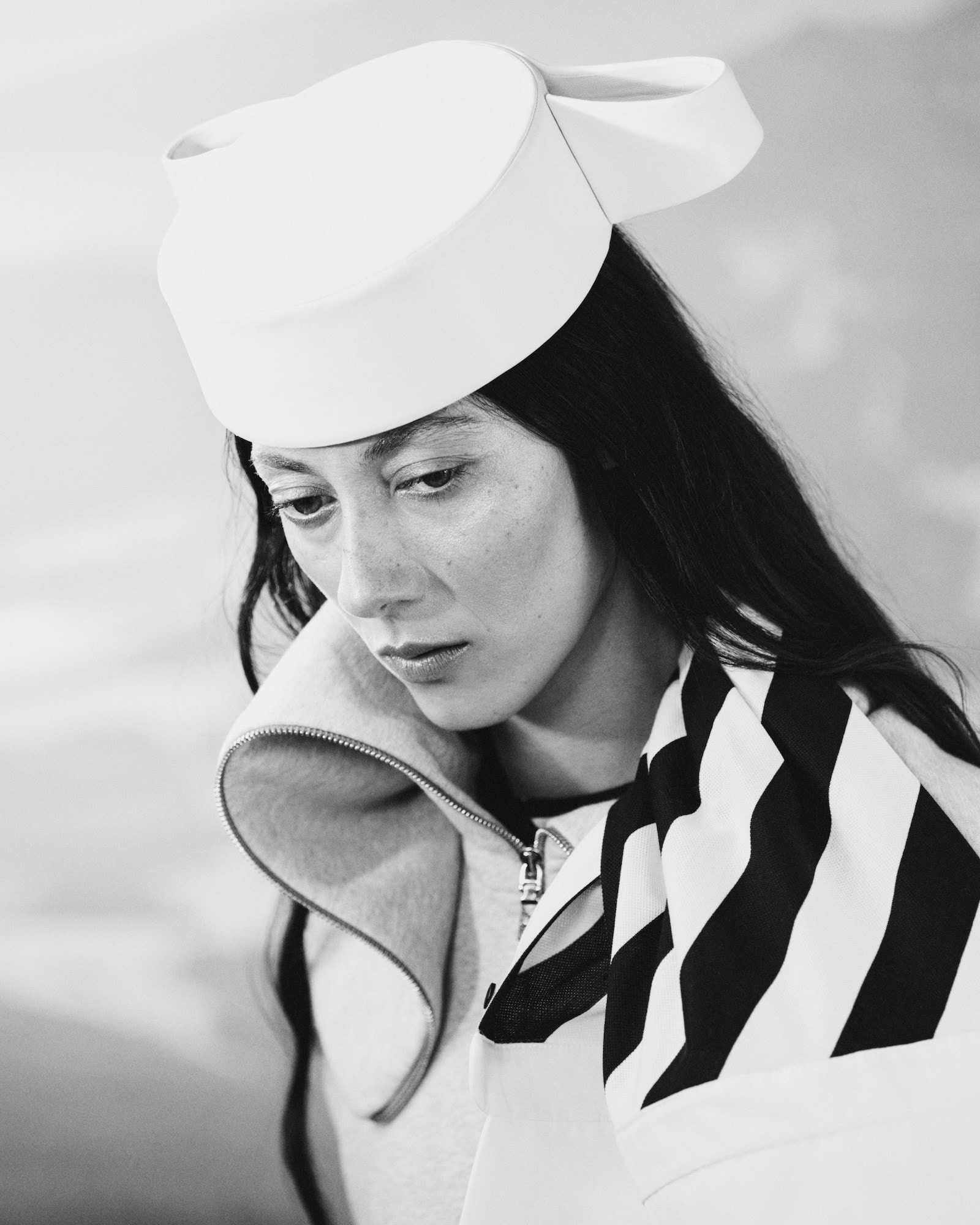
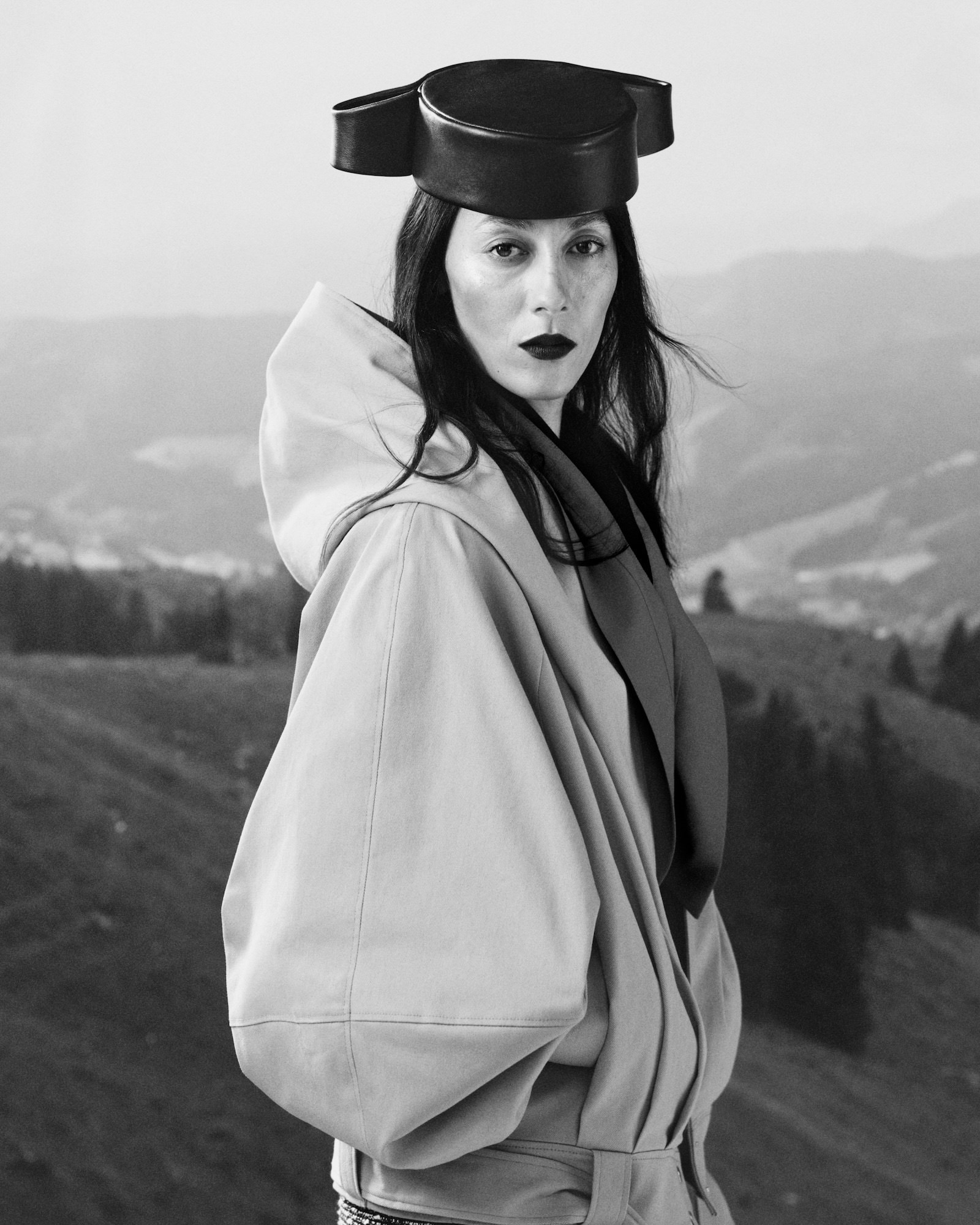
Her latest Autumn/Winter 2026 offering, titled La Mondaine, draws a neat parallel. The collection harnesses the silhouettes and ideals of the 1920s and the 80s, two eras she returns to often. “The 20s being dropping the corset, the 80s being joining the workforce,” she says. “On a very subconscious level, the dressing that followed those two eras of emancipation really speaks to me.” This season’s reference point is Art Deco portrait artist Tamara de Lempicka, and the idea that she painted her muses as versions of herself. “They look like themselves, but they also look like her,” Novruzova explains. “I quite resonated with the idea of an auto-portrait of a muse.”
Fidan Novruzova Autumn/Winter 2026Photography by Phil Engelhardt. Styling by Eliza Conlon
Fidan Novruzova Autumn/Winter 2026Photography by Phil Engelhardt. Styling by Eliza Conlon
The idea lands neatly in the clothes. There is tailoring – Novruzova’s longstanding strength – but it’s softened, stretched and made more wearable. Hemlines have dropped from the brand’s earlier, almost exclusively mini lengths into midi and maxi territory. “It’s definitely a more mature silhouette,” she says. “A youthful, mature silhouette, if that makes sense. Maximalist minimalism.”
A rounded-shoulder jacket in bouclé sits alongside elongated shirting; a belt extends into coils around the waist. Collars are pulled, twisted and exaggerated. “I do like to play a lot with the top part of the garment,” she says, twiddling the elongated collar of her own black polo. With that comes more opportunity for interpretation. “Sometimes I see girls wearing pieces from the brand and I’d never in life envisioned them like that, but it really works.”
There are new propositions too: knee-high boots (a long-held ambition), tweeds and bouclés (a likely side effect of living in Paris for the past few years), and perhaps most noticeably, colour. “For the first time, colour became a starting point for me,” she says. “Usually it comes at the end … this time it all started with colour.” Mint, lilac, red – the palette is lifted in part from Lempicka’s work, but also reflects a shift in Novruzova’s instinctive, loosely structured process. She buys fabrics before she sketches, building collections on feeling. “What is normal when it comes to creative process?” she jokes.
Fidan Novruzova Autumn/Winter 2026Photography by Phil Engelhardt. Styling by Eliza Conlon
Fidan Novruzova Autumn/Winter 2026Photography by Phil Engelhardt. Styling by Eliza Conlon
Running on instinct is familiar ground. Growing up in Moldova, Novruzova had little access to a fashion system. “I didn’t really have the skills that were needed [for a career in design],” she says. “I couldn’t draw, I couldn’t sew.” What she did have was visual certainty – an ability to recognise what she liked and pursue it with conviction. By the time she arrived at Central Saint Martins for a foundation course, the gap between her visual conviction and lack of formal training felt alienating. “Day one, just seeing how insanely good everyone around me is,” she recalls. So she stayed up until 4 or 5am to build a portfolio from scratch, threw entire projects away when they didn’t meet her standards. “It was almost this naivety – like, it’s this or nothing.”
It worked out. After her foundation, she enrolled in a BA in fashion design and marketing at the same university, gradually establishing a name for herself. Five and a half years into her label, Novruzova is now focused on continuity. “It went from being very editorial to building a wardrobe,” she says. “There’s still an eccentric side, but it’s about what I want to wear.”
That shift might also explain the brand’s gradual move away from its most recognisable product: the square-toe boot that became a cult item in the early 2020s. The shoes still sell – “the bread and butter of the brand,” she calls them – but they’re no longer part of the primary focus of the label. “I don’t want to be restricted by that. The brand has grown so much beyond the square-toe boot box.”
Fidan Novruzova Autumn/Winter 2026Photography by Phil Engelhardt. Styling by Eliza Conlon
Fidan Novruzova Autumn/Winter 2026Photography by Phil Engelhardt. Styling by Eliza Conlon
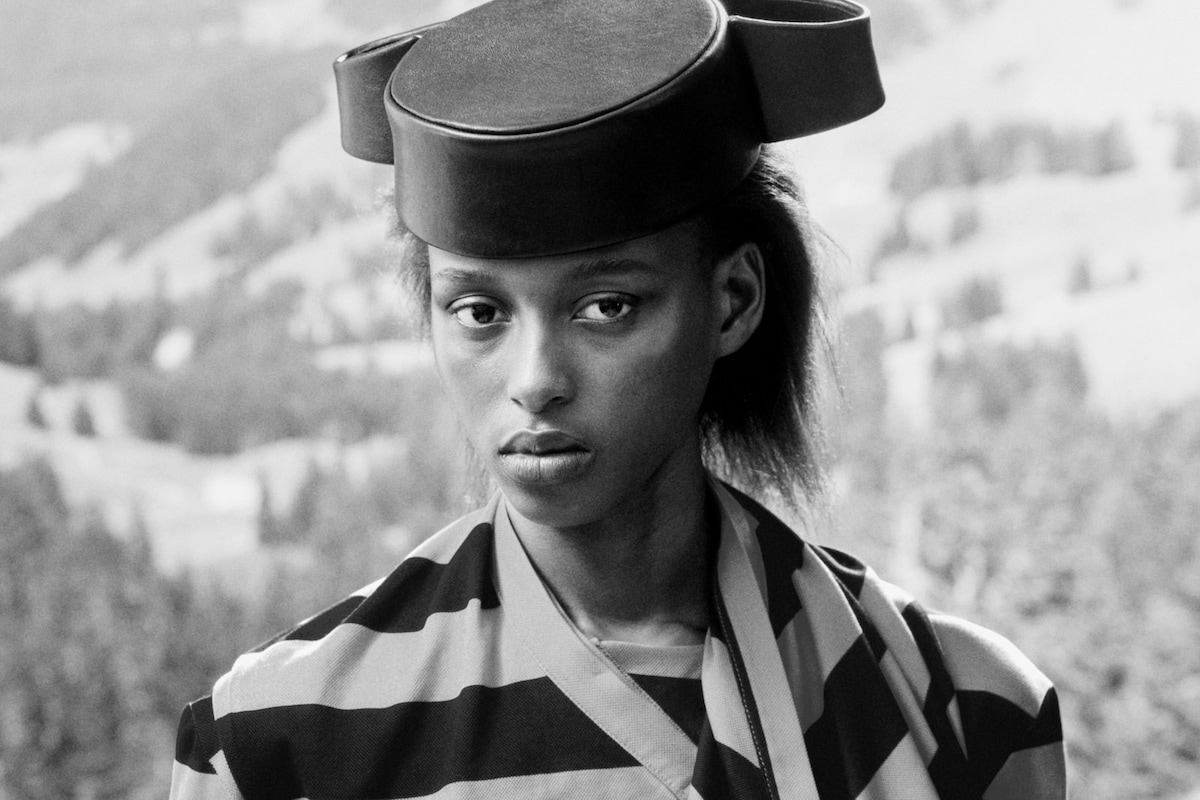
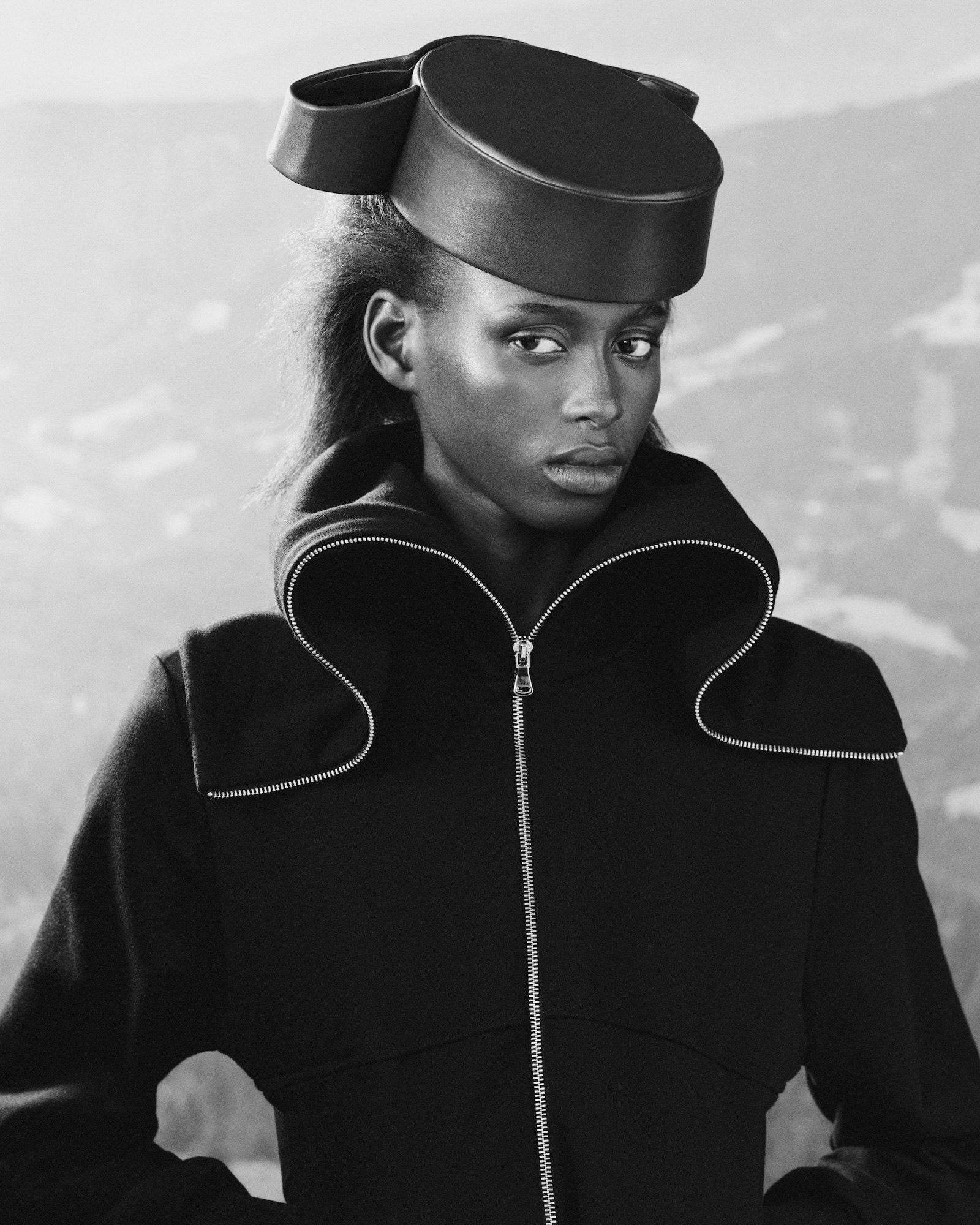
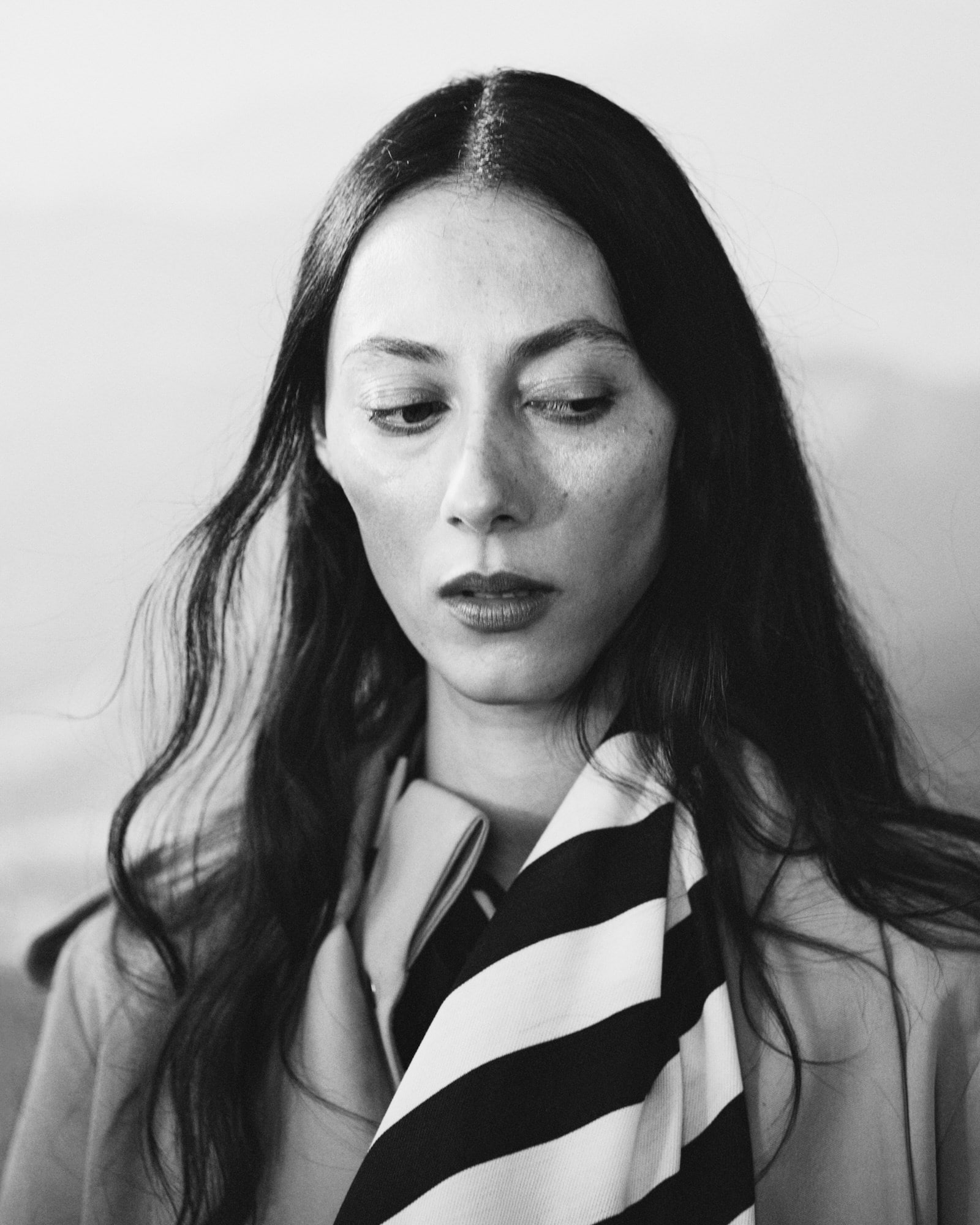
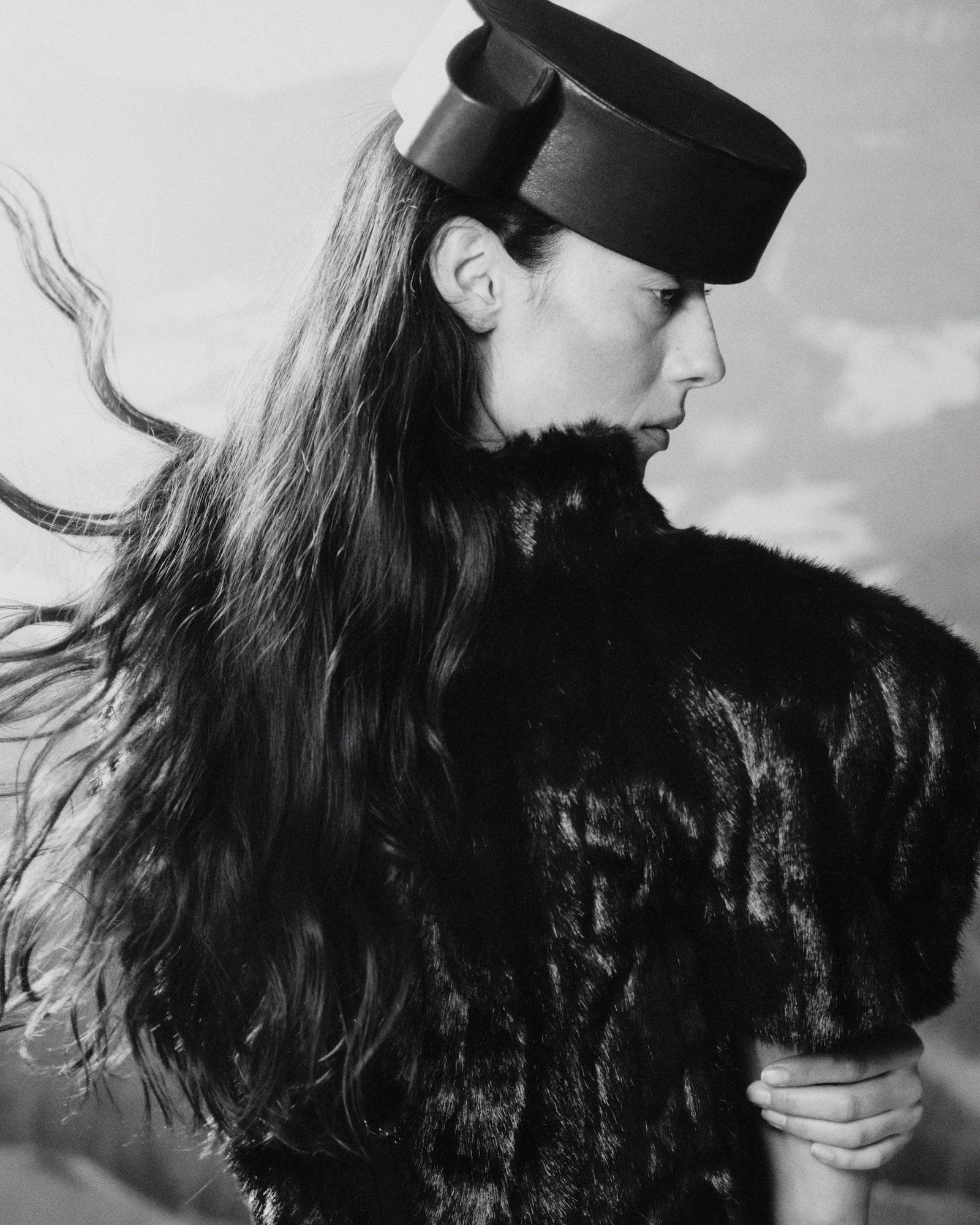
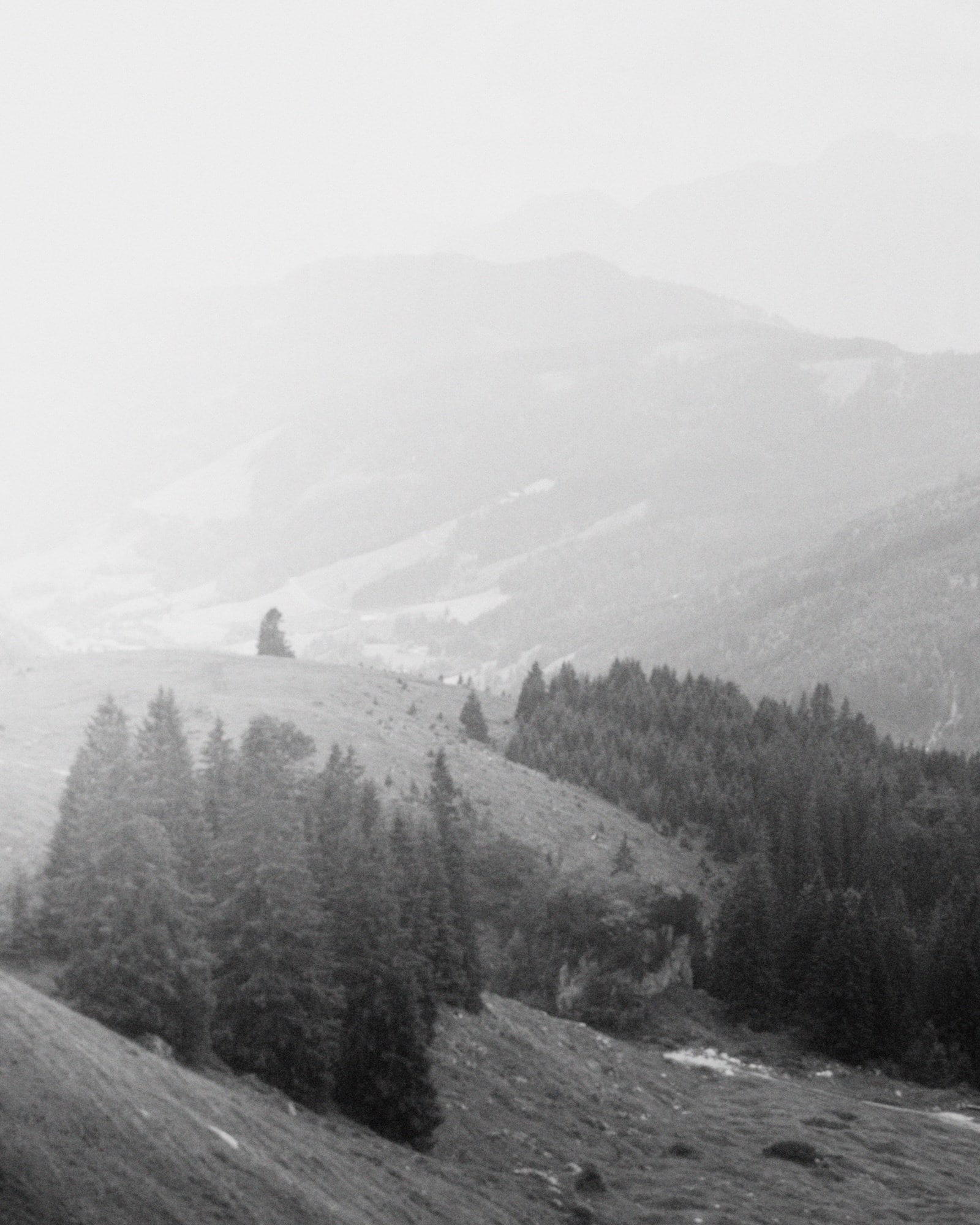
La Mondaine attempts to rebalance things. Ready-to-wear now sits on equal footing with accessories, with an emphasis on how clothes function in real life. The campaign, launching exclusively with AnOther, pushes that idea further by doing something slightly obverse: rendering all that colour in black and white. Shot by Phil Engelhardt and styled by Eliza Conlon, it draws on the restrained glamour of 80s fashion imagery. Where the collection is saturated, the images are stripped back; where the clothes are expressive, the models are static.
Asked how she’d like her new collection to make her customers feel, she says “empowered”, almost wincing at the cliché. “It sounds like something you’ve heard many times before, but it’s just the truth.” Here, at least, it does feel true – if only because it’s coming from someone who has designed the whole thing for herself first, and trusted that others might follow.
in HTML format, including tags, to make it appealing and easy to read for Japanese-speaking readers aged 20 to 40 interested in fashion. Organize the content with appropriate headings and subheadings (h1, h2, h3, h4, h5, h6), translating all text, including headings, into Japanese. Retain any existing tags from
Lead ImageFidan Novruzova Autumn/Winter 2026Photography by Phil Engelhardt. Styling by Eliza Conlon
There’s a particular kind of designer who insists their work is not about them, the art and the artist operating entirely separate from one another. Then there’s womenswear designer Fidan Novruzova, who is refreshingly honest about the opposite. “I design by projecting my own needs,” she smiles. “I have very big personal orders every season from me to me. I’ll be honest, it’s one of the best parts of doing what I’m doing.”
7Fidan Novruzova Autumn/Winter 2026
She’s speaking from her tidy, bright white studio in Paris, between a dressmaker dummy and a row of books and ringbinder folders. She carries her laptop around for a quick webcam tour, pausing at a black fringe curtain behind which a bricks-and-mortar store displays her Spring/Summer 2026 collection – a space she’s occupied for a little over a year. Through pop-ups and cocktails held there, she’s been meeting clients who share her sensibility, often dressed in the same clothes.
Her latest Autumn/Winter 2026 offering, titled La Mondaine, draws a neat parallel. The collection harnesses the silhouettes and ideals of the 1920s and the 80s, two eras she returns to often. “The 20s being dropping the corset, the 80s being joining the workforce,” she says. “On a very subconscious level, the dressing that followed those two eras of emancipation really speaks to me.” This season’s reference point is Art Deco portrait artist Tamara de Lempicka, and the idea that she painted her muses as versions of herself. “They look like themselves, but they also look like her,” Novruzova explains. “I quite resonated with the idea of an auto-portrait of a muse.”
Fidan Novruzova Autumn/Winter 2026Photography by Phil Engelhardt. Styling by Eliza Conlon
Fidan Novruzova Autumn/Winter 2026Photography by Phil Engelhardt. Styling by Eliza Conlon
The idea lands neatly in the clothes. There is tailoring – Novruzova’s longstanding strength – but it’s softened, stretched and made more wearable. Hemlines have dropped from the brand’s earlier, almost exclusively mini lengths into midi and maxi territory. “It’s definitely a more mature silhouette,” she says. “A youthful, mature silhouette, if that makes sense. Maximalist minimalism.”
A rounded-shoulder jacket in bouclé sits alongside elongated shirting; a belt extends into coils around the waist. Collars are pulled, twisted and exaggerated. “I do like to play a lot with the top part of the garment,” she says, twiddling the elongated collar of her own black polo. With that comes more opportunity for interpretation. “Sometimes I see girls wearing pieces from the brand and I’d never in life envisioned them like that, but it really works.”
There are new propositions too: knee-high boots (a long-held ambition), tweeds and bouclés (a likely side effect of living in Paris for the past few years), and perhaps most noticeably, colour. “For the first time, colour became a starting point for me,” she says. “Usually it comes at the end … this time it all started with colour.” Mint, lilac, red – the palette is lifted in part from Lempicka’s work, but also reflects a shift in Novruzova’s instinctive, loosely structured process. She buys fabrics before she sketches, building collections on feeling. “What is normal when it comes to creative process?” she jokes.
Fidan Novruzova Autumn/Winter 2026Photography by Phil Engelhardt. Styling by Eliza Conlon
Fidan Novruzova Autumn/Winter 2026Photography by Phil Engelhardt. Styling by Eliza Conlon
Running on instinct is familiar ground. Growing up in Moldova, Novruzova had little access to a fashion system. “I didn’t really have the skills that were needed [for a career in design],” she says. “I couldn’t draw, I couldn’t sew.” What she did have was visual certainty – an ability to recognise what she liked and pursue it with conviction. By the time she arrived at Central Saint Martins for a foundation course, the gap between her visual conviction and lack of formal training felt alienating. “Day one, just seeing how insanely good everyone around me is,” she recalls. So she stayed up until 4 or 5am to build a portfolio from scratch, threw entire projects away when they didn’t meet her standards. “It was almost this naivety – like, it’s this or nothing.”
It worked out. After her foundation, she enrolled in a BA in fashion design and marketing at the same university, gradually establishing a name for herself. Five and a half years into her label, Novruzova is now focused on continuity. “It went from being very editorial to building a wardrobe,” she says. “There’s still an eccentric side, but it’s about what I want to wear.”
That shift might also explain the brand’s gradual move away from its most recognisable product: the square-toe boot that became a cult item in the early 2020s. The shoes still sell – “the bread and butter of the brand,” she calls them – but they’re no longer part of the primary focus of the label. “I don’t want to be restricted by that. The brand has grown so much beyond the square-toe boot box.”
Fidan Novruzova Autumn/Winter 2026Photography by Phil Engelhardt. Styling by Eliza Conlon
Fidan Novruzova Autumn/Winter 2026Photography by Phil Engelhardt. Styling by Eliza Conlon
La Mondaine attempts to rebalance things. Ready-to-wear now sits on equal footing with accessories, with an emphasis on how clothes function in real life. The campaign, launching exclusively with AnOther, pushes that idea further by doing something slightly obverse: rendering all that colour in black and white. Shot by Phil Engelhardt and styled by Eliza Conlon, it draws on the restrained glamour of 80s fashion imagery. Where the collection is saturated, the images are stripped back; where the clothes are expressive, the models are static.
Asked how she’d like her new collection to make her customers feel, she says “empowered”, almost wincing at the cliché. “It sounds like something you’ve heard many times before, but it’s just the truth.” Here, at least, it does feel true – if only because it’s coming from someone who has designed the whole thing for herself first, and trusted that others might follow.
and integrate them seamlessly into the new content without adding new tags. Ensure the new content is fashion-related, written entirely in Japanese, and approximately 1500 words. Conclude with a “結論” section and a well-formatted “よくある質問” section. Avoid including an introduction or a note explaining the process.