Rewrite
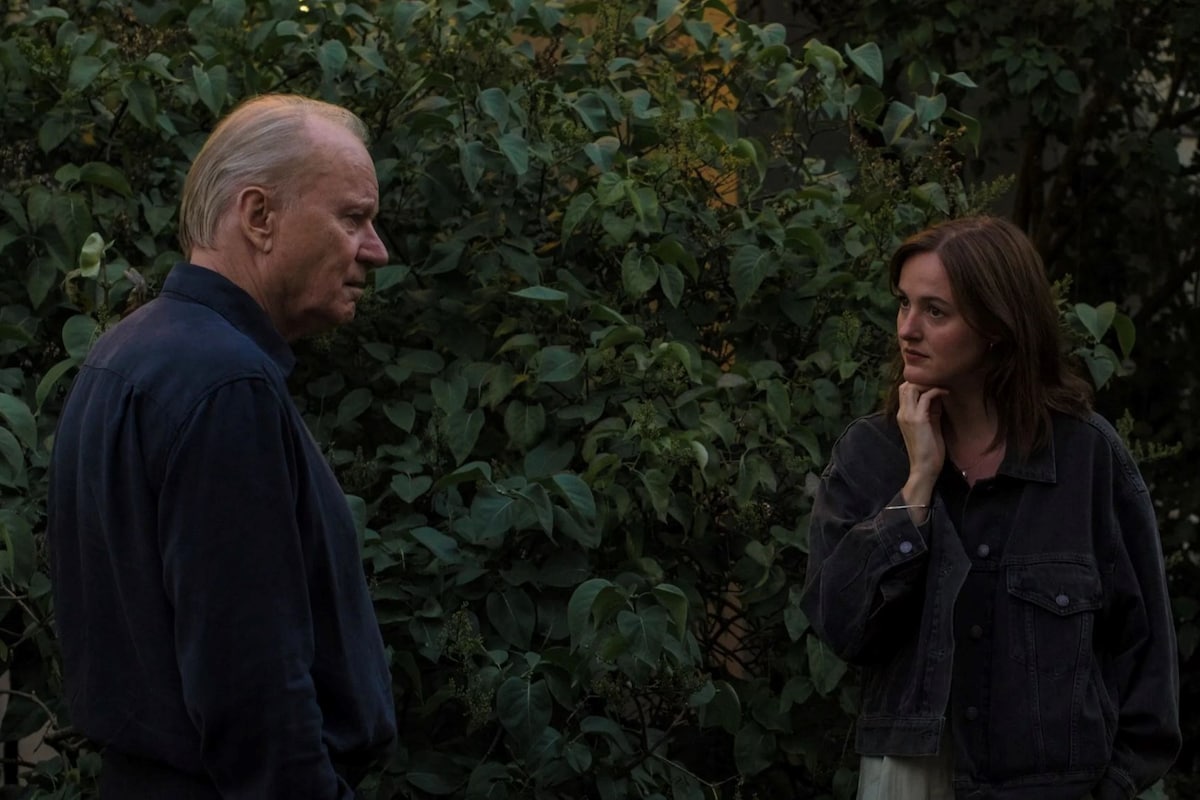
Lead ImageSentimental Value, 2025(Film still)
Swapping the party people of his Oslo trilogy for a more mature lens on familial strife, Joachim Trier was at the top of his game with Sentimental Value, drawing perfectly pitched performances from The Worst Person in the World collaborator Renate Reinsve, Stellan Skarsgård and Inga Ibsdotter Lilleaas. Reinsve plays Nora, a theatre actress suffering from stage fright who is rocked by the return of her father, charismatic film director Gustav, when her mum passes away after a long illness. Gustav has an ulterior motive for coming home: a film he wants Nora to perform in, as a character based upon his own late mother, a member of the Norwegian resistance who committed suicide after the war. Nora refuses and swiftly sinks into depression, comforted by her younger sister, Agnes (Lilleaas), who is more forgiving of her father’s sins. Meanwhile Gustav keeps his hopes for the film alive by casting an American, Rachel Kemp (Elle Fanning), in the role originally intended for his daughter. It’s an elegant meditation on art, ageing and the roles we all play within families, shot through with the nuance and feeling Trier brings to all of his work.

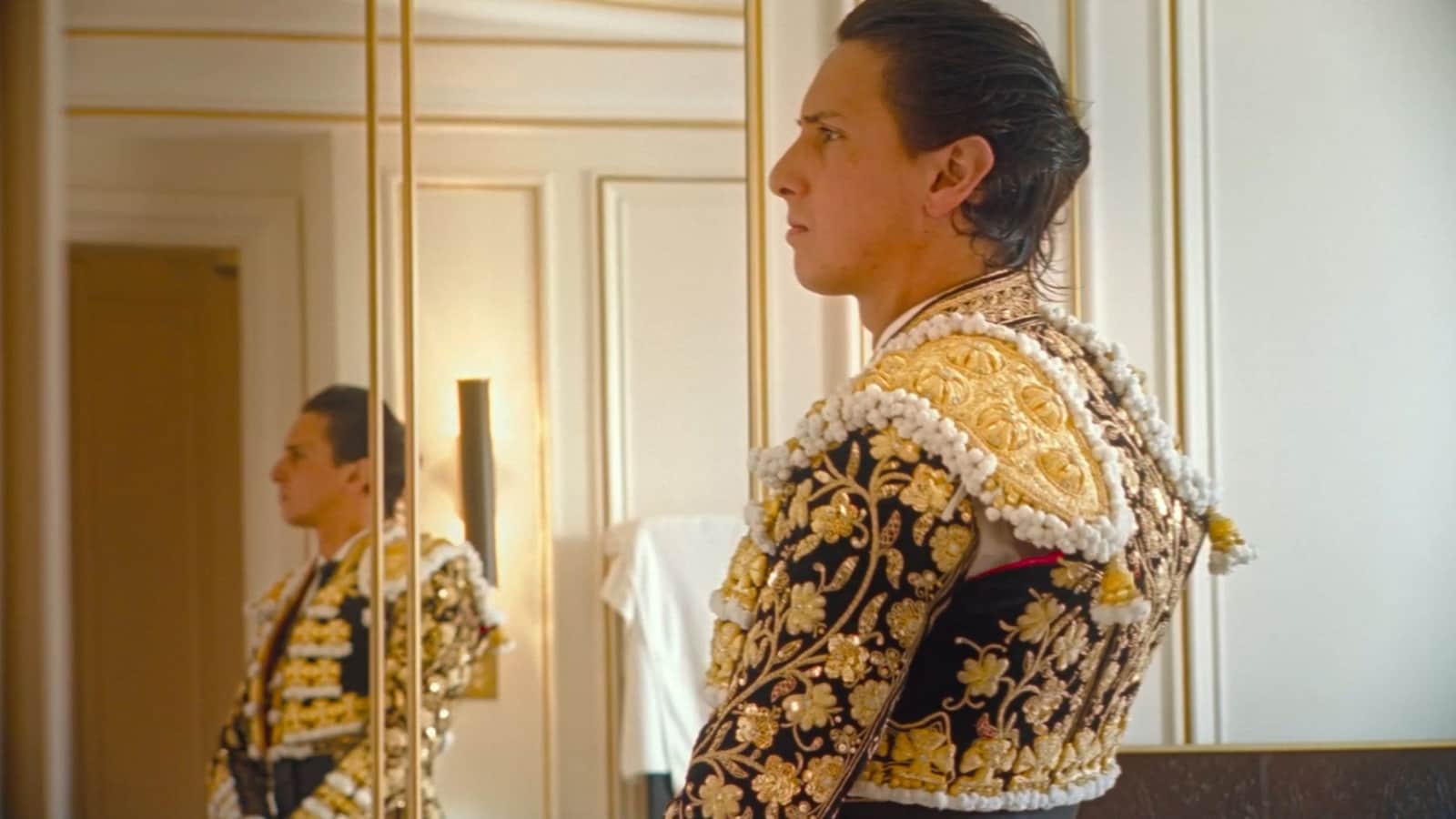
Albert Serra’s film about Peruvian matador Andrés Roca Rey was the year’s most ravishing and intense documentary, a hypnotic vision that unflinchingly depicts the cruelty of this ancient bloodsport without stopping to debate the moral outrage that has driven it to the brink of extinction. Instead, we get long takes of the torero at work in the arena, where long-held traditions frequently shade into the bizarre, along with scenes of the bulls being weakened for the fight before their final, agonising death throes. It’s awful to behold at times, but there’s poetry in witnessing any master of their craft at work, and Afternoons of Solitude is lucky enough to have two, in Serra and Rey.
Read our interview with Albert Serra here.
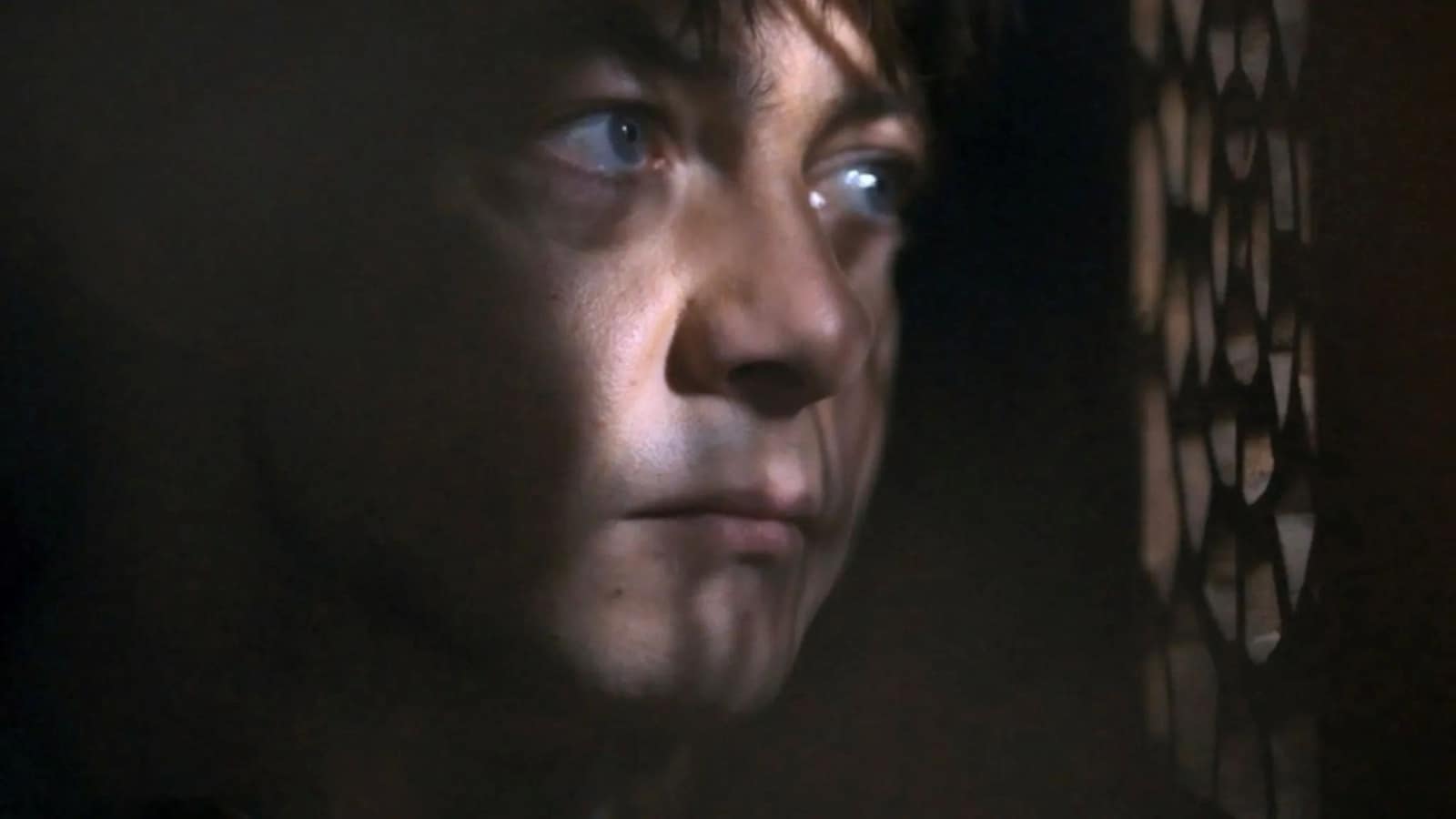
There’s a cuckoo in the nest in Alain Guiraudie’s devious new thriller, which sees young drifter Jérémie (Félix Kysyl) return to his hometown in rural France after the death of his old boss. Having nowhere to stay, Felix is taken in by the deceased’s wife, piquing the interest of a local clergyman and stirring up old grudges with her hot-headed son, Vincent, who tries to warn him away. Finally, Jérémie lashes out in devastating fashion – and that’s when things get truly weird in this wild meditation on guilt, guilt, sex, murder and highly suspicious mushrooms, directed with surprising moral force by a modern master of transgressive cinema.
Read our interview with Alain Guiraudie here.
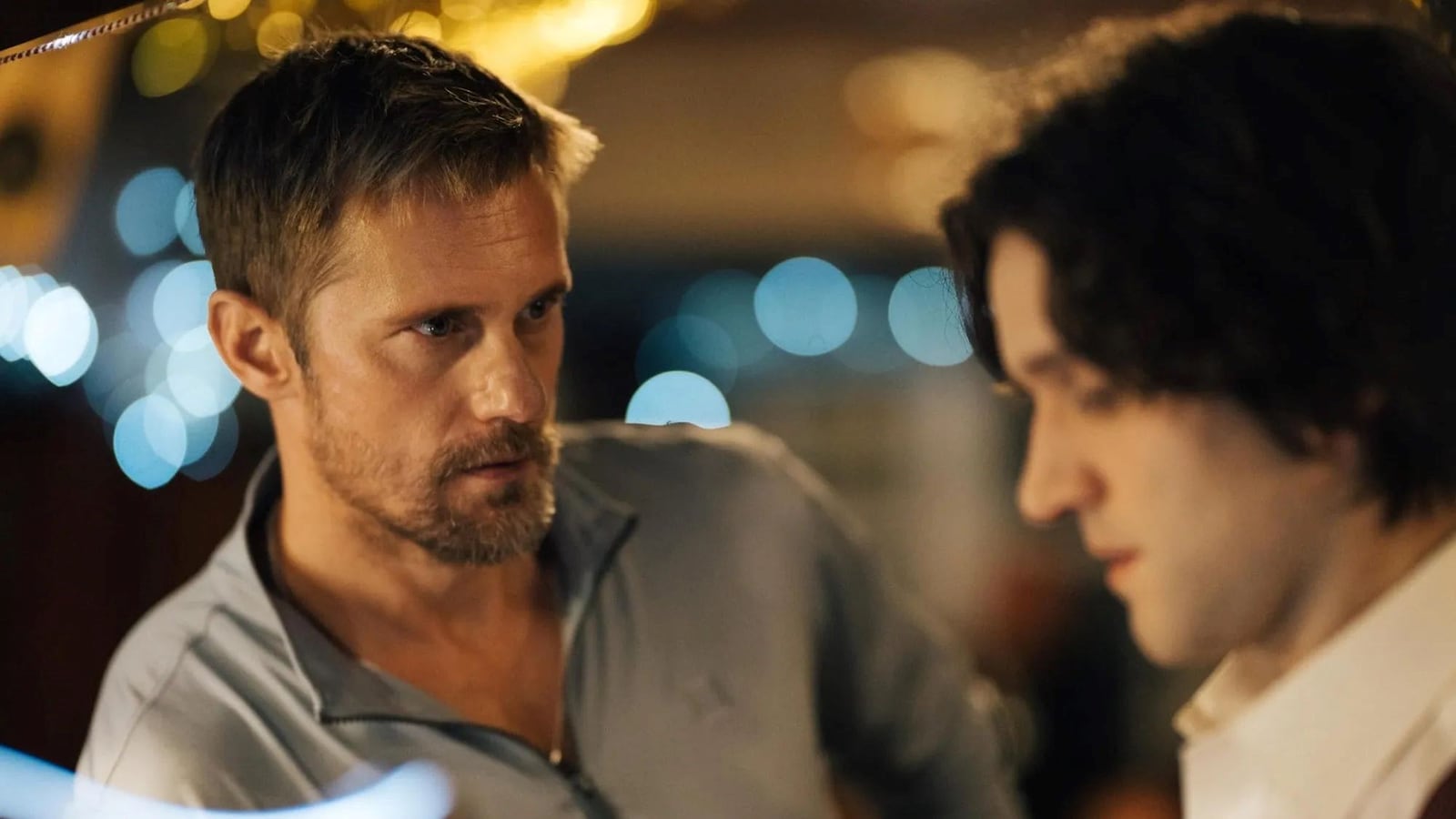
He may have had us at “Alexander Skarsgård in leather chaps”, but director Harry Lighton had so much more to give in his fabuious feature debut, a BDSM “dom-com” between the Swedish acting hunk and Harry Melling, FKA Dudley Dursley from the Harry Potter films. Melling is wonderful here as Colin, a sweet-natured traffic warden who falls hard for Ray (Skarsgård), an indecently handsome biker with BDSM proclivities. Ray is very specific about how he wants to conduct the relationship, and Colin has an “aptitude for devotion” – will it be enough to see their romantic arrangement blossom into something deeper? Funny, filthy and sweet, Pillion is a rare crowd-pleasing comedy with the courage to leave its rough edges unsanded.
Read our interview with Harry Lighton here.
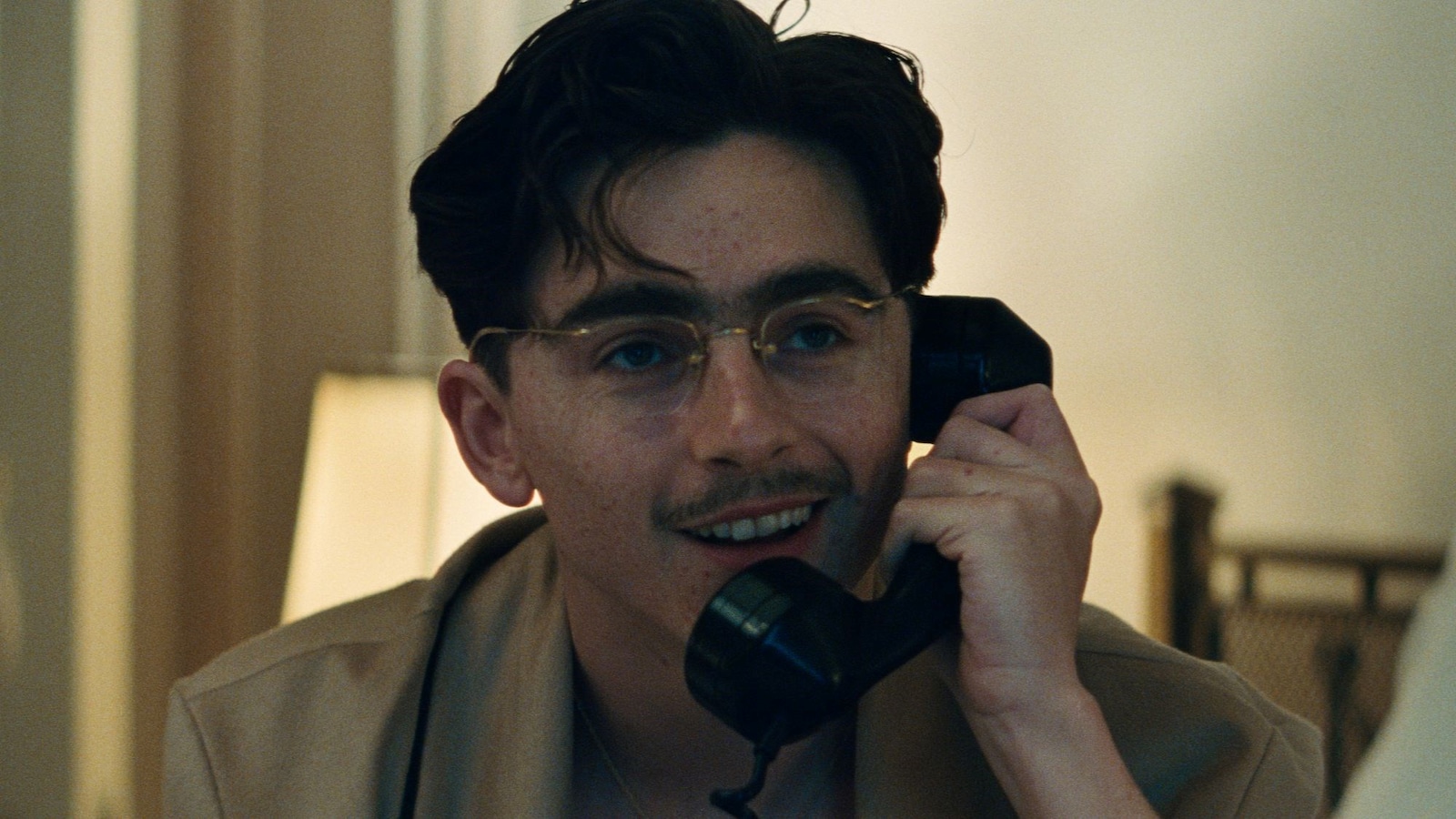
Josh Safdie shoots for the moon in his first solo outing as director, a wild sports comedy starring Timothée Chalamet as an aspiring ping pong champ with a mouth to match his skills with the bat. Chalamet brings down the house as Marty Mauser, an inveterate schemer who’ll stop at literally nothing to realise his dream of becoming the sport’s first American star – including stealing from his dad, blackmailing a local mafia don for the safe return of his dog, and getting his married girlfriend pregnant before taking off round the world for a tournament he hasn’t been invited to. Safdie and co-writer Ronald Bronstein lean into the absurdity of their premise while staging the action with an admirably straight face, making blockbuster spectacle out of one of the world’s more niche sporting endeavours. But for all its cinematic chutzpah, the show finally belongs to Chalamet, in a career-best turn bridging his early character-driven work with capital-M Movie-star charisma.
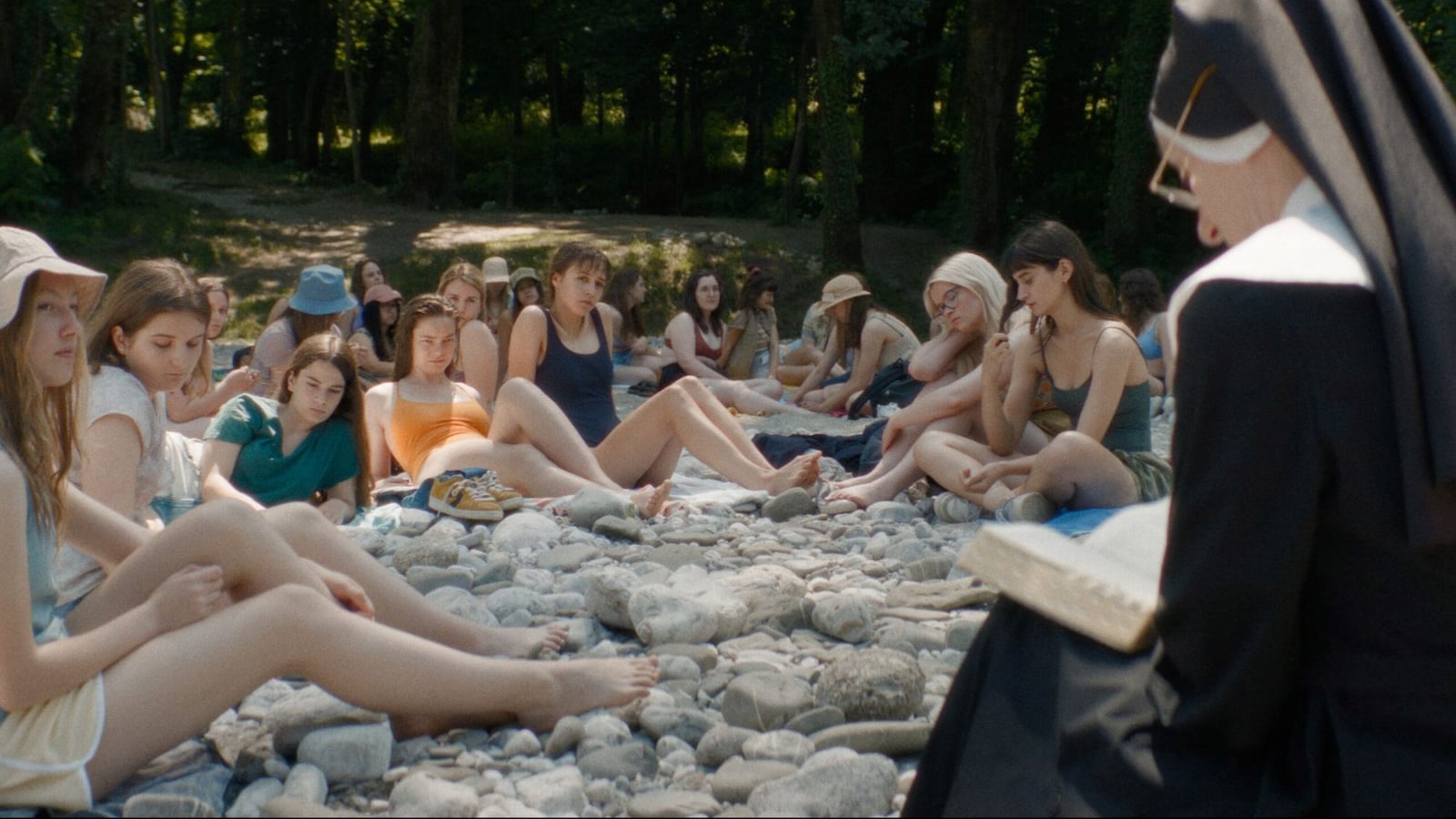
Urška Djukić’s first feature was a coming-of-age story with an unusually wise head on its shoulders, evoking Celine Sciamma in its reverent feeling for the trails of girlhood and tender notes of sexual and spiritual yearning. At a Catholic girls retreat in the country, Slovenian choirgirls Lucija (Jara Sofija Ostan) and Ana Maria (Mina Švajger) are drawn to each other by a mutual strangeness they can barely understand – but when the shy and slightly otherworldly Ana Maria is scolded by her bigoted choirmaster one day, a miscommunication sees her isolated from her extroverted new friend, leading her down a different path of self-discovery.
Read our interview with Urška Djukić here.
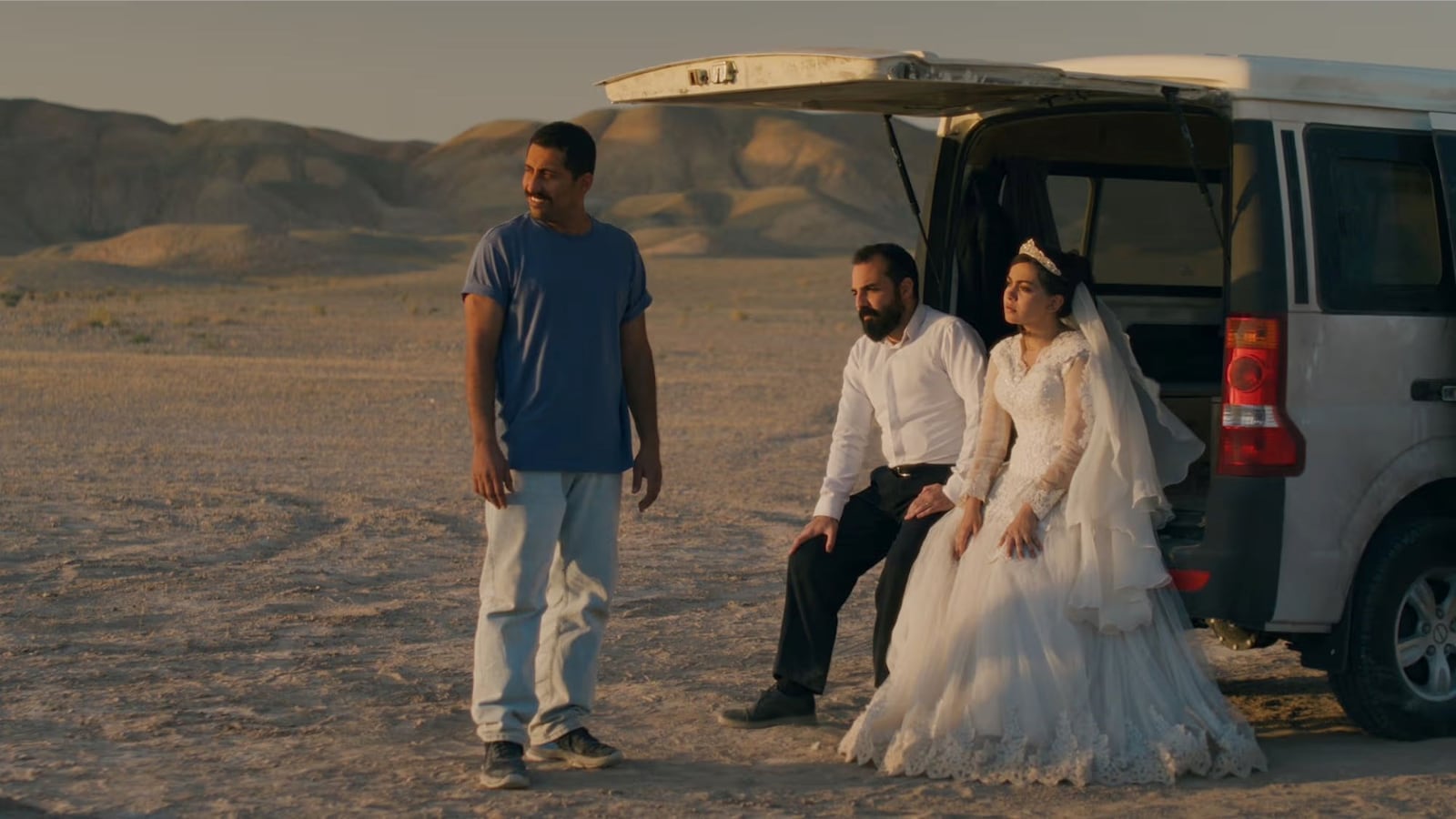
When car mechanic Vahid (Vahid Mobasseri) kidnaps a man he suspects of being his torturer in jail, he carts him off in the back of his van to meet with his former prisonmates. One by one, he asks them the same question: Is it him? And if it is, what should we do with him? Jafar Panahi’s Palme d’Or winner is a modern-day western with a touch of the Coen brothers at their most bitterly ironic. But its sombre weighing of the traumas inflicted by Iran’s Islamic regime is unmistakably Panahi, who once again faces jail time for his unswerving commitment to his craft.
Read our interview with Jafar Panahi here.
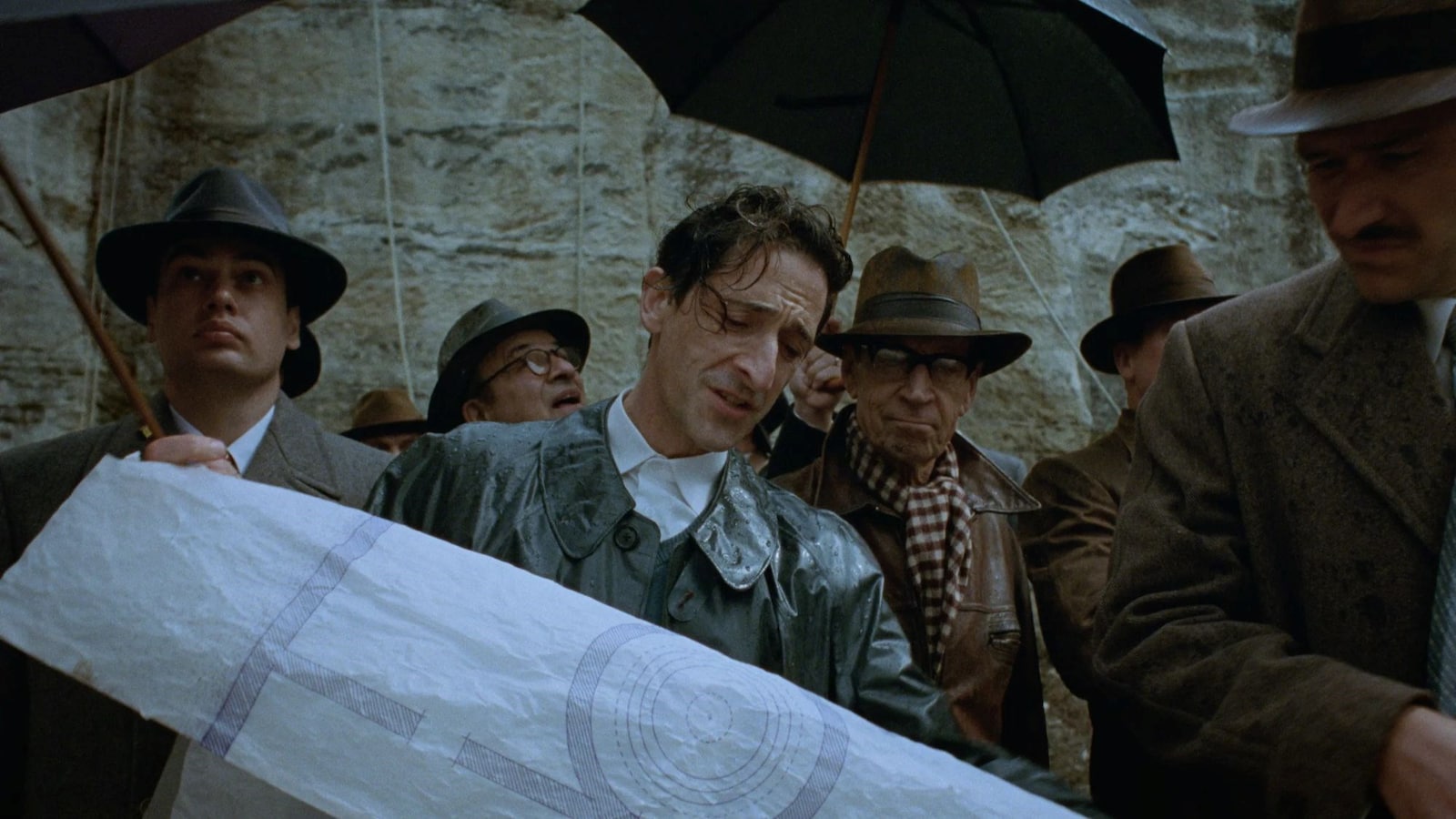
An American epic shot for virtual chump change, Brady Corbet’s ragingly ambitious, three-and-a-half hour opus tells the story of László Toth (Adrien Brody), a Hungarian architect and Holocaust survivor who comes to the US in the wake of the second world war. He finds work through a boorish entrepreneur (Guy Pearce), who commissions him for a monumental new build and helps secure his family’s safe passage to America. But there’s a heavy price to be exacted for their pact, as László discovers when the pair lock horns over his ideas, and age-old prejudice returns to the fore in devastating fashion. Told in broad, exhilarating strokes that culminate in a breathtaking sequence shot in the marble mines of Carrera, Corbet’s film pays timely tribute to the migrants whose vision helped shape American postwar culture, and the traumas intertwined with their stories.
Read our interview with Brady Corbet here.
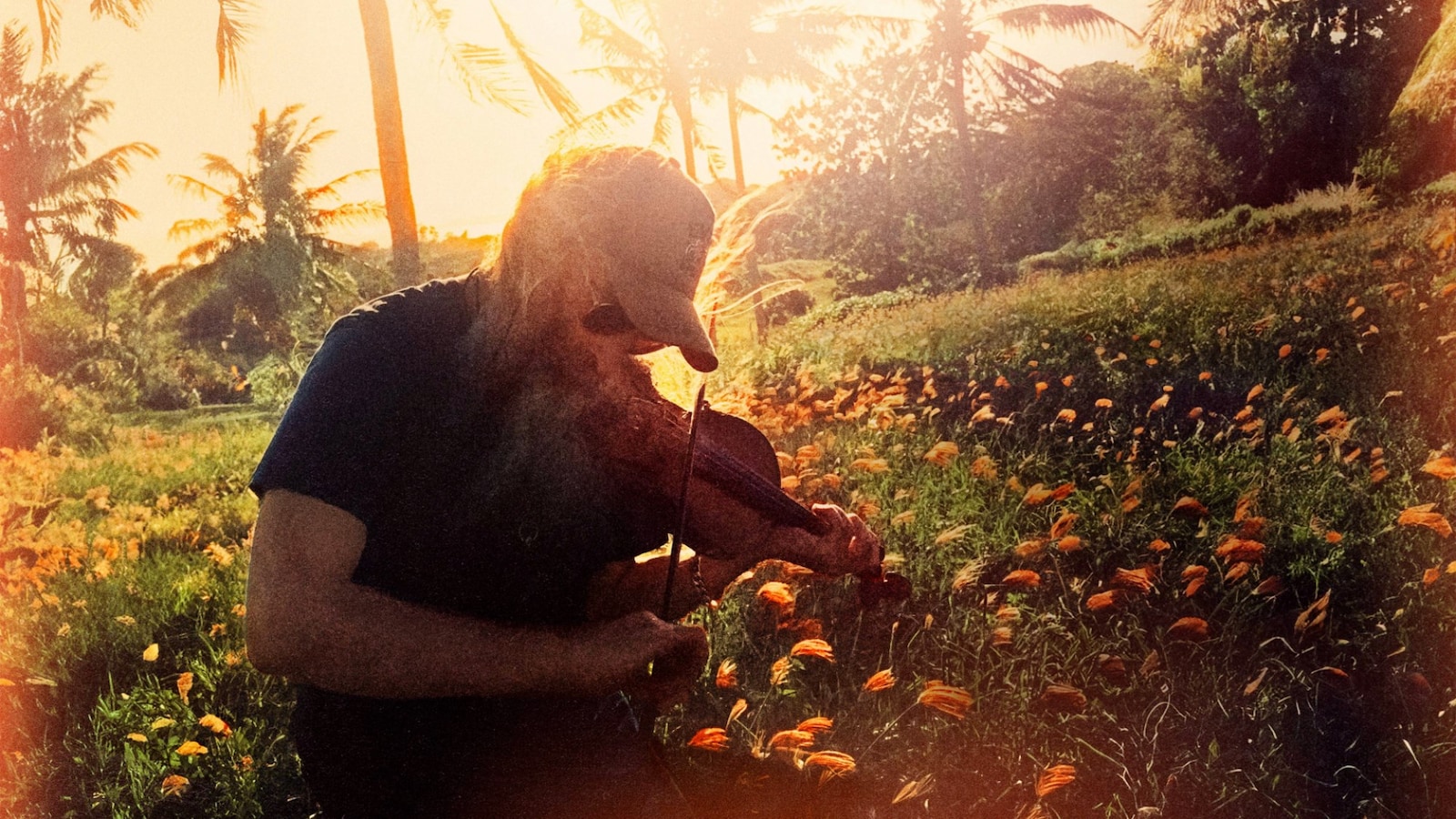
With Ellis Park, director Justin Kurzel took two seemingly disparate threads – the opening of a new wildlife sanctuary in Sumatra, bankrolled by the musician Warren Ellis, and a journey into Ellis’s own past prompted by a trip to see his ailing parents – and wove them into the year’s most moving documentary. When the Bad Seeds musician and composer found himself at a loose end during Covid, he reached out to animal rights campaigner Femke den Haas, who was looking to open a new park caring for animals rescued from the illegal trafficking trade. Ellis opened up his wallet and heart to the project, sparking reflections on his difficult upbringing as his parents near the end of their own lives. Later, a trip to the park to meet Den Haas for the first time brings all of these reflections on trauma and healing to a head.
Read our interview with Warren Ellis here.
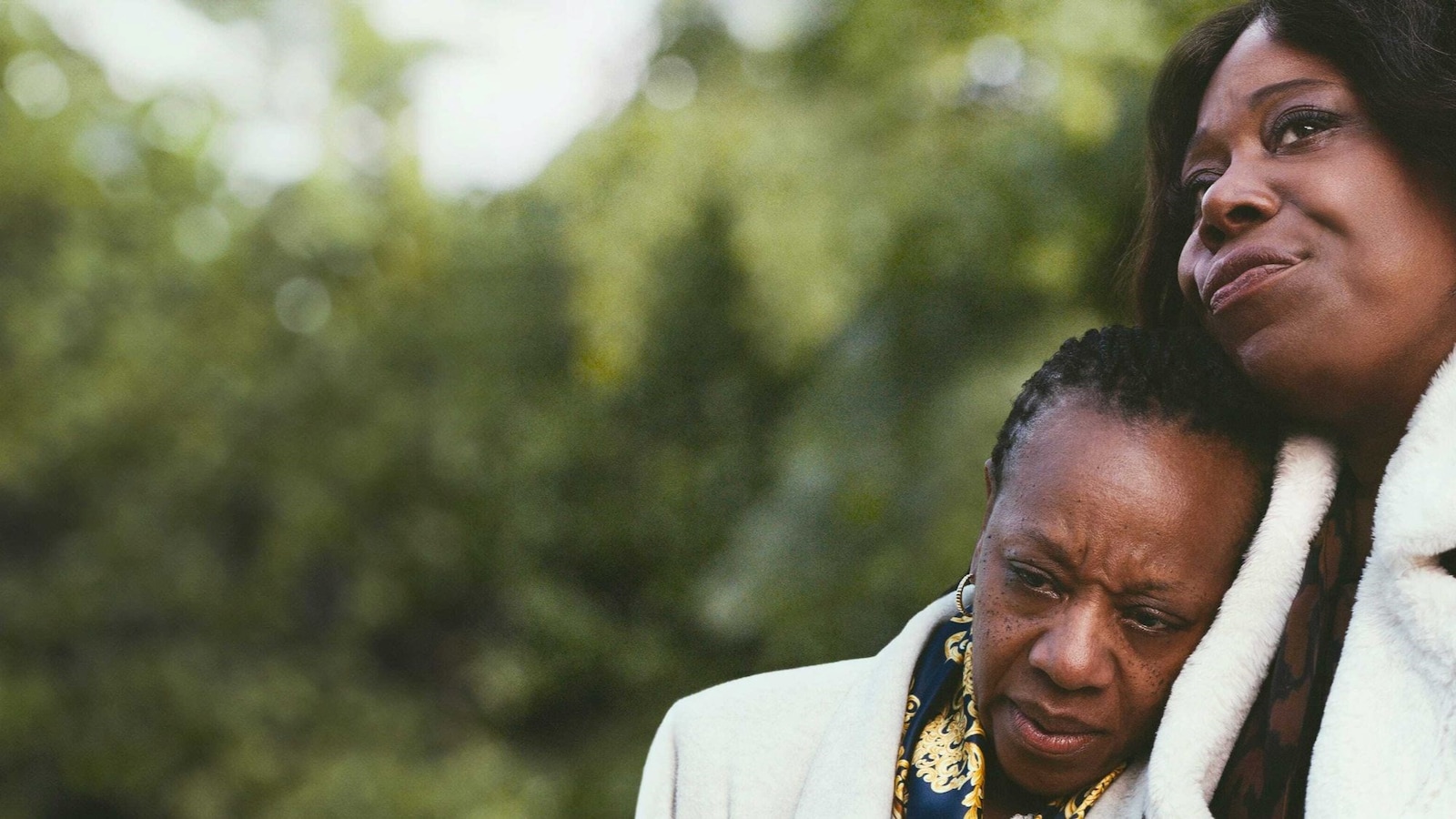
Returning to the suburban stomping grounds of his greatest triumphs, Mike Leigh’s new film is a bleak but stingingly funny study in the loneliness that seems endemic to our times. Marianne Jean-Baptiste plays Pansy, a north London mum coming apart at the seams on the anniversary of her mother’s death. Pansy lives at home with her mild-mannered husband and listless adult son, but is unable to leave the front door most days due to her crippling anxiety, which she channels into arguments with everyone she meets. Only her warm-hearted sister (Michele Austin) seems to bring any relief, but even she can’t seem to shake Pansy from her deep-seated malaise. With wonderful performances and cinematography from the late Dick Pope that throbs with the persistent dull ache of these people’s lives, it’s a welcome return from Leigh, always an astute chronicler of our nation’s mental health. And in Pansy, the highly strung matriarch at its core, the director gives us his most deeply troubling protagonist since Johnny in Naked.
Read our interview with Mike Leigh here.
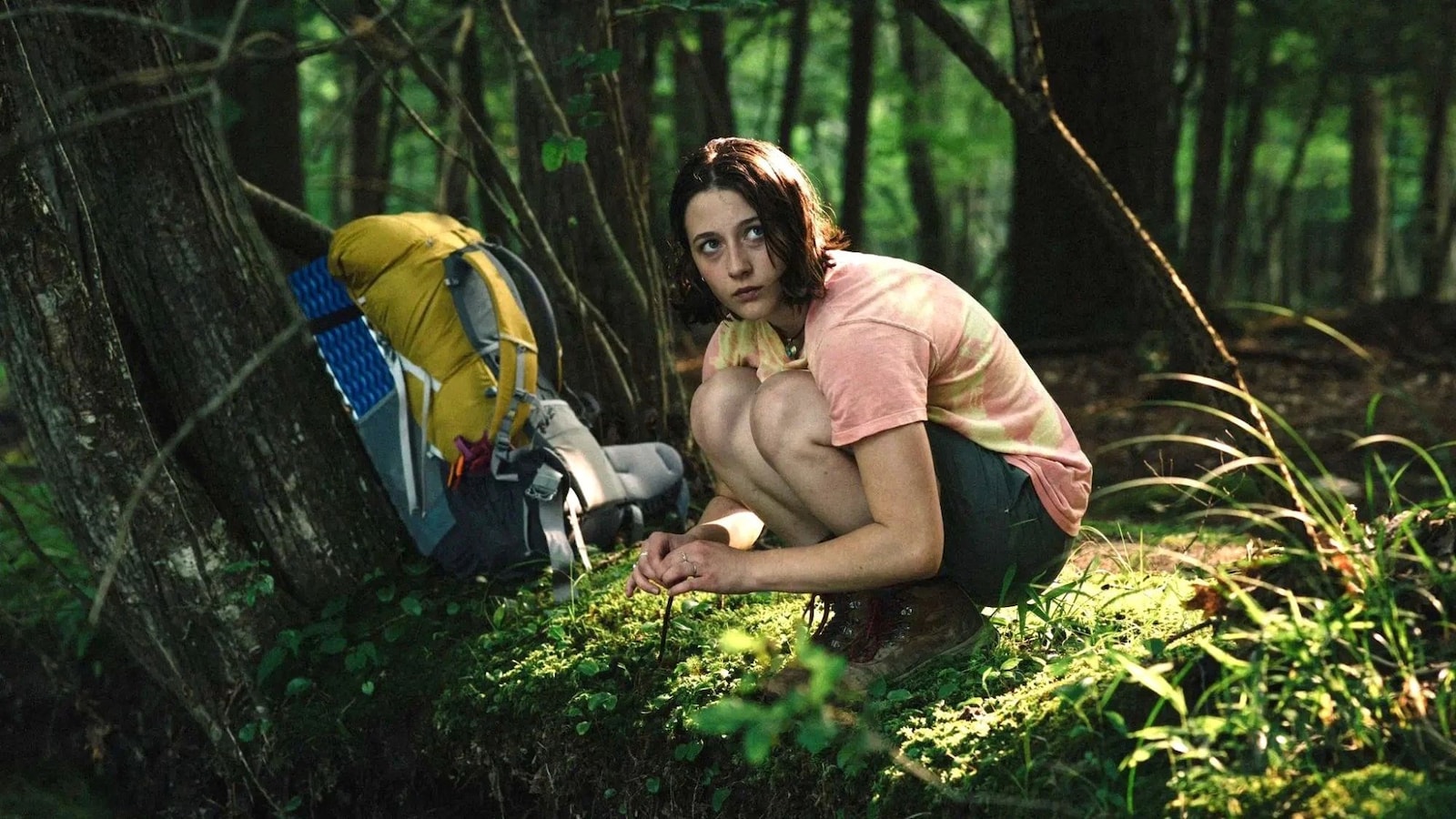
A father-daughter camping trip goes horribly wrong in India Donaldson’s searching and subtle directorial debut, brought to life by a quietly magnetic turn from newcomer Lily Collias. When Sam (Collias) takes off to the Catskills for a weekend with her dad, Chris (James Le Gros), and best buddy Matt (Danny McCarthy), a sickening moment of impropriety turns the good natured atmosphere on its head. Caught between her own moral compass and a father who can’t quite bring himself to listen, Sam is forced to fend for herself in this sensitively rendered coming-of-age thriller, which serves up an incisive take on themes of male entitlement, gender roles and generation-gap anxieties.
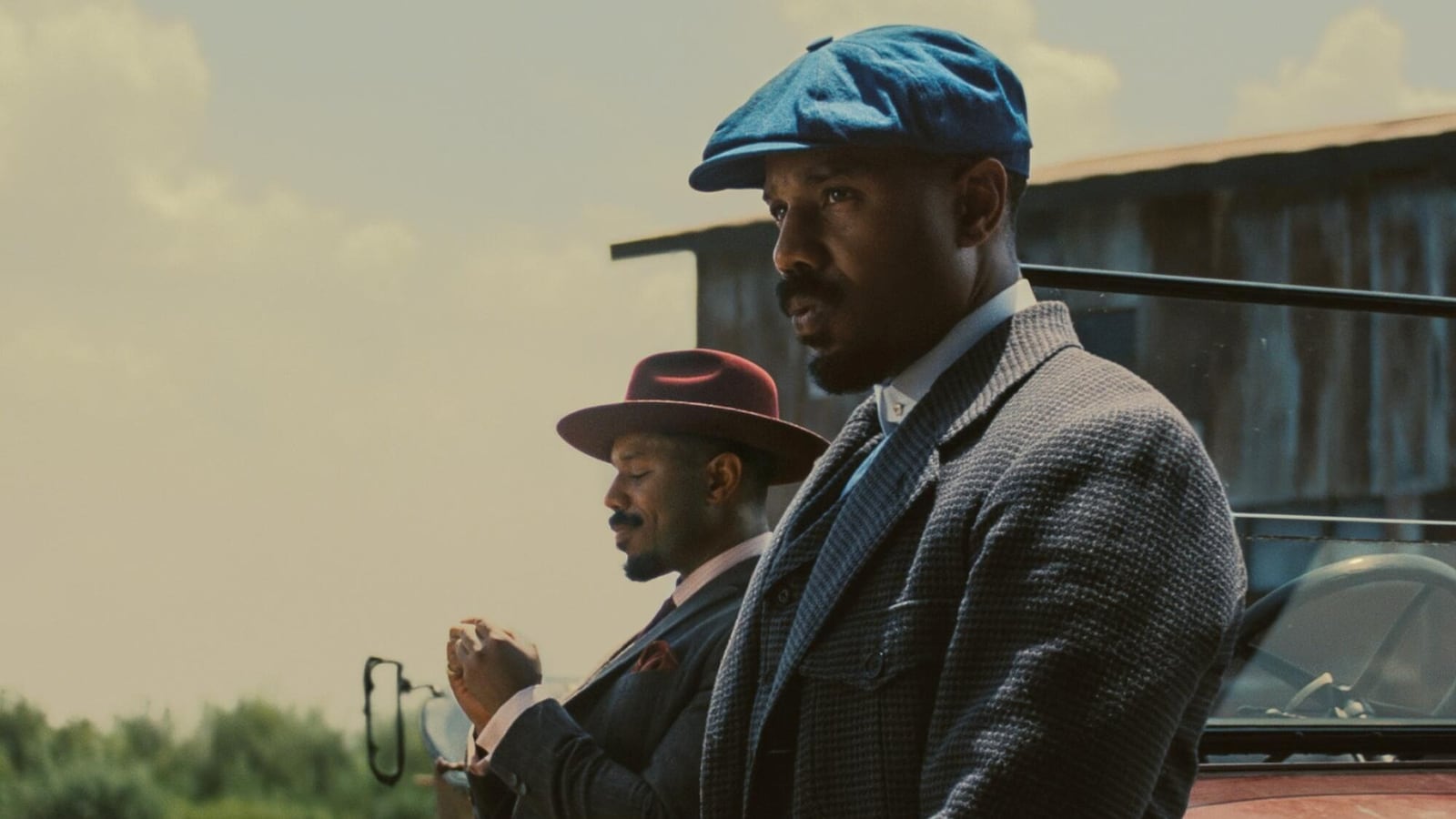
Ryan Coogler’s ability to turn base metal into gold showed no sign of slowing with Sinners, a vampire story set in the Jim Crow south that proved a monster hit at the box office. Gangster twins Elijah ‘Smoke’ and Elias ‘Stack’ Moore – both played by Coogler’s right-hand man, Michael B Jordan – return home to Clarksdale, Mississippi to set up a juke joint for the local townsfolk, bringing in their blues guitar-playing cousin (Miles Caton) as the entertainment. Their first night is a roaring success, until a posse of vampires led by Irish immigrant Remmick (Jack O’Connell) come sniffing round in search of new blood. Worse, it turns out the twins bought the club from a local Klansman, who has plans to round up a lynch mob and torch the place to the ground. Loosely based on (and far surpassing) Robert Rodriguez’s cult horror From Dusk Till Dawn, it’s a singular spin on vampire lore in which the music is the real star, providing the film with its strange, beating heart.
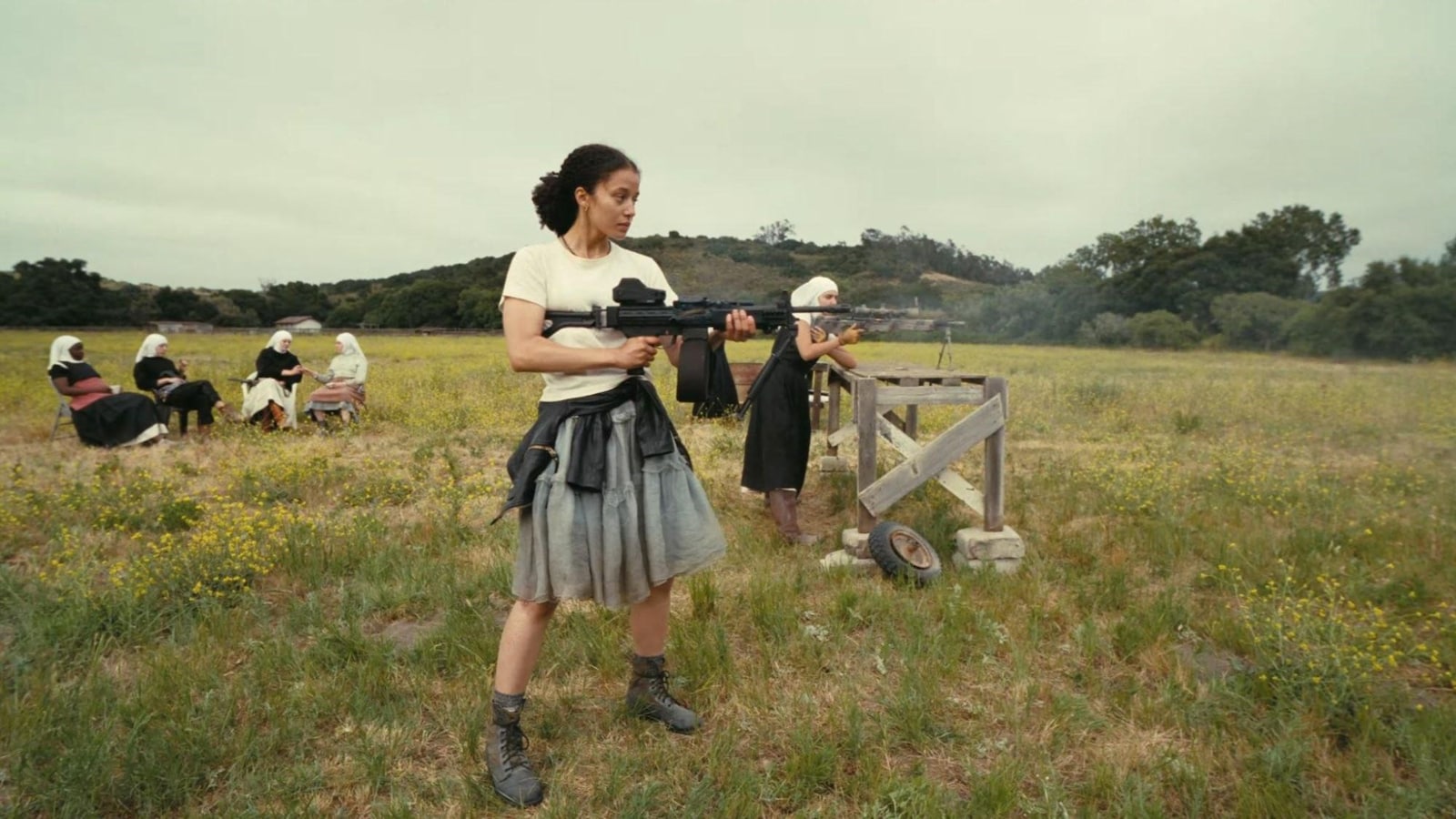
At a reported $150m in the making, Paul Thomas Anderson’s One Battle After Another arrived amid surging anxiety about the future of studio-funded, big-budget filmmaking with an original slant. It’s a weight the film wore incredibly well, despite only moderate box office returns, delivering high-octane thrills and spills while retaining all of the Phantom Thread director’s signature eccentricity. It was also his first film to directly address contemporary concerns, its story of a former revolutionary (Leonardo DiCaprio) in a race against time with the authorities to find his mixed-race daughter (newcomer Chase Infiniti) striking a chord amid the unfolding insanity of Trump’s America.
Read our interview with Chase Infiniti here, and our guide to the films of Paul Thomas Anderson here.

A social realist drama about a drug addicted homeless man’s attempts to rebuild his life after his release from jail, Urchin was not a film you went into expecting a good time – and yet, there’s more joy and humanity in Harris Dickinson’s directorial debut than in a thousand multiplex seat-fillers. Anchored by a wonderfully soulful, shambling turn from Frank Dillane, the film succeeds by taking a resolutely non-judgmental approach to its subject matter, grounding us in its protagonist’s slightly tenuous grip on reality before taking a final, bold plunge into the surreal.
Read our interview with Harris Dickinson and Frank Dillane here.
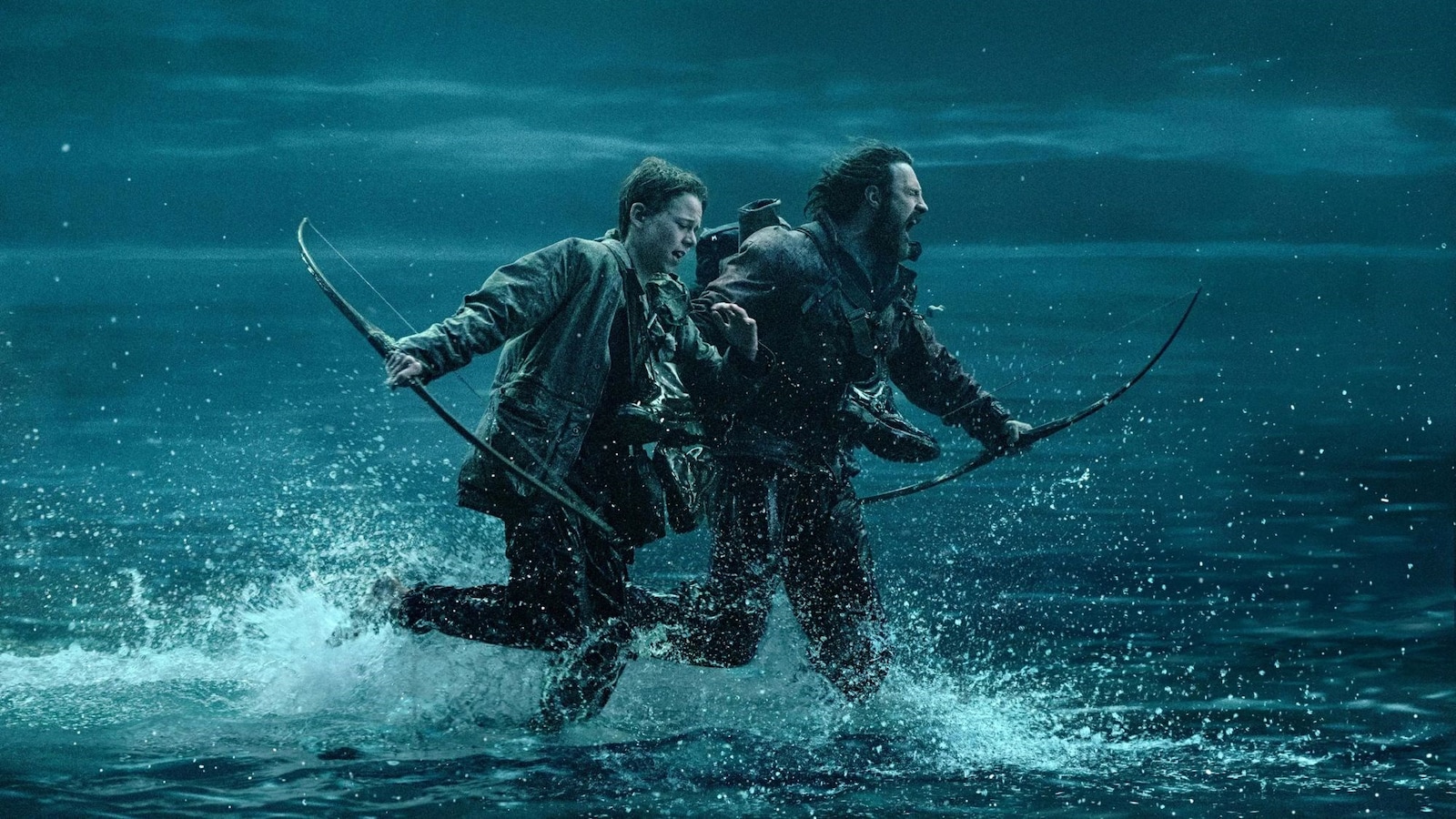
Danny Boyle’s belated zombie-flick sequel was not a perfect film, not by a long shot. The tonal shifts between gnarly horror and mawkish family drama were too sudden, the hammily directed ending seemingly beamed in from another film entirely. But it was one of the most audacious blockbusters in an age, hungry and alive in a way that most big-studio franchise additions can’t get close to. For that much credit is due to writer Alex Garland, whose story packed survivors from the first zombie apocalypse off to the island of Lindisfarne, connected to the mainland by a causeway accessible only at low tide. It’s a neat premise that ends up giving us some timely reflections on British exceptionalism – is this the first great film about Brexit? – as well as one of the most beautifully staged chase scenes in memory, a psychedelic dash across the causeway with a terrifying zombie in pursuit. Likewise the character of Dr Ian Kelson (Ralph Fiennes), with his sinister bone temple and bright-orange body paint, was a fresh new twist in a genre filled with undead tropes.
Read our interview with Danny Boyle here.
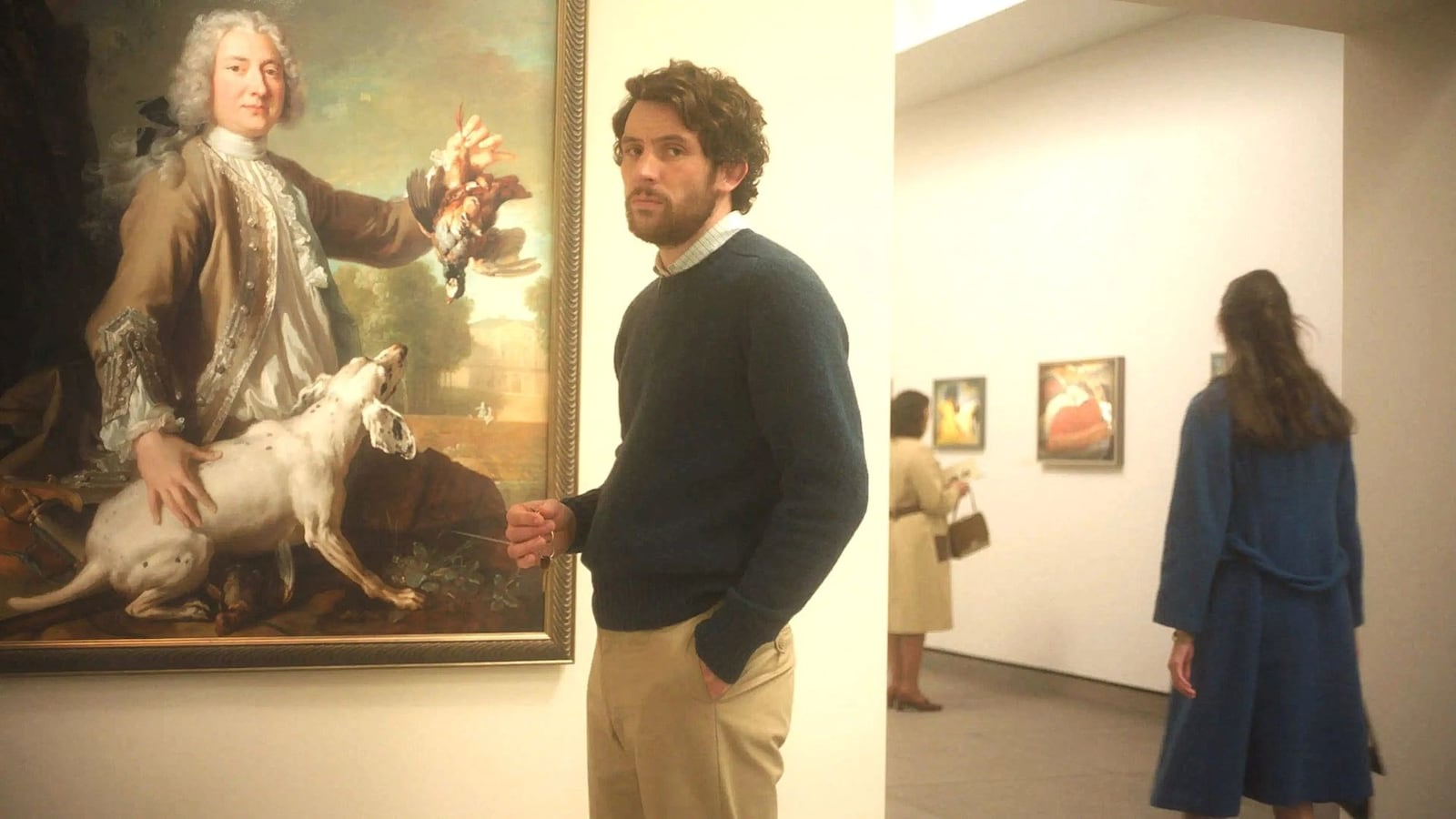
Kelly Reichardt’s 1970s-set crime caper was a film of two halves: the first, a propulsive heist flick in which Massachusetts art major-turned-thief JB Mooney (Josh O’Connor) steals paintings from a gallery; the second, a claustrophobic character study that reveals JB as the sad little man he is – a narcissist who abandons his family in pursuit of a fast buck. It’s a clever sleight-of-hand that allows the director to hark back to the crime thrillers of the American new wave, while stripping them of their mystique in ways only Reichardt can.
Read our interview with Kelly Reichardt here.
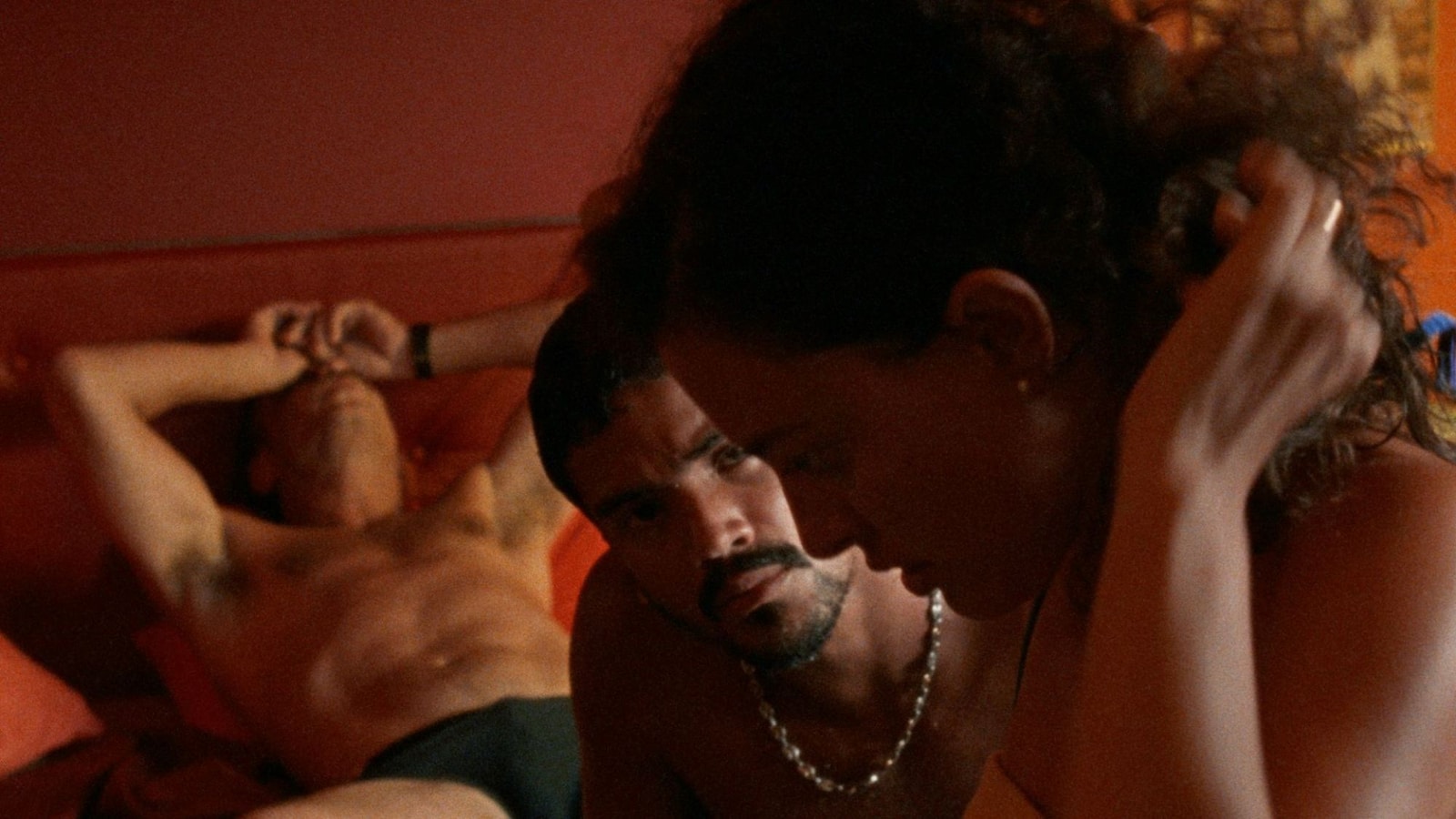
Between I’m Still Here and Kleber Mendonça Filho’s upcoming The Secret Agent, Brazil’s been turning out some dynamite political thrillers of late – but for those craving something more unseemly, Motel Destino offered up plenty of bang for your buck. When a young man (Iago Xavier) on the run from criminal gangs washes up at a sex hotel on the outskirts of town, he soon shacks up with the owner’s wife – before hatching a plan that suggests a murderous rage swimming just under the surface of the country’s psyche. Karim Aïnouz’s sweat-soaked noir is a scorching exercise in cinematic style, bathed in Hélène Louvart’s neon-lit photography and scored by the muffled groans of the motel’s clientele.
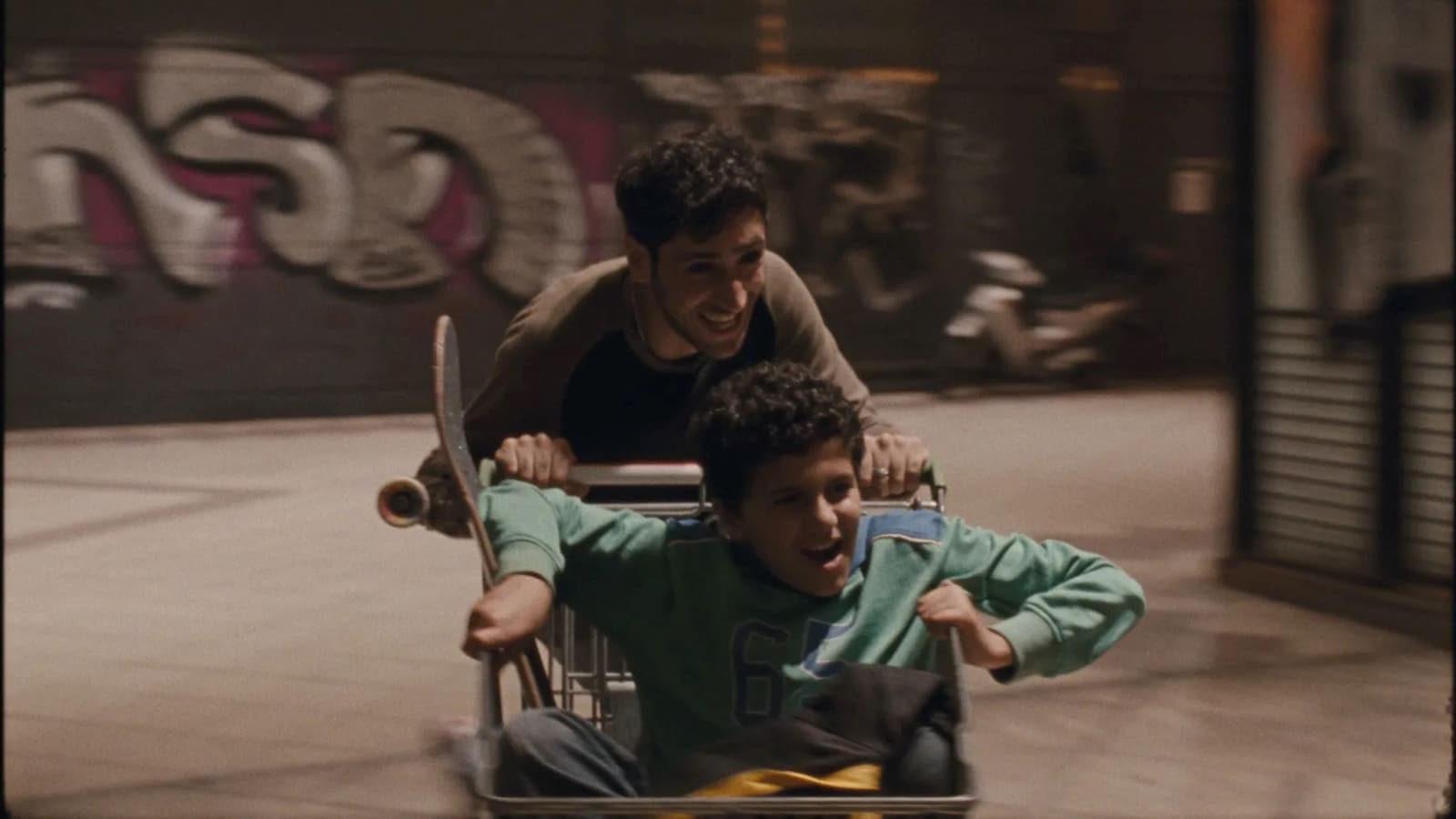
We’re used to seeing immigrants presented as victims on screen, but what does a life lived in the margins of society do for your own sense of self? Mahdi Fleifel’s tense thriller weighs the human cost of Europe’s refugee crisis in a tale of two cousins hustling to survive on the streets of Athens. Palestinians Chatila (Mahmood Bakri) and Reda (Aram Sabbah) are trying to raise money to make their way to Germany, but when the fragile Chatila spends all their savings on heroin, Reda bets both of their futures on a scam that could end up costing him his soul. It’s a gritty, empathetic watch, narrow in focus but acute in its study of humanity pushed to criminal extremes.
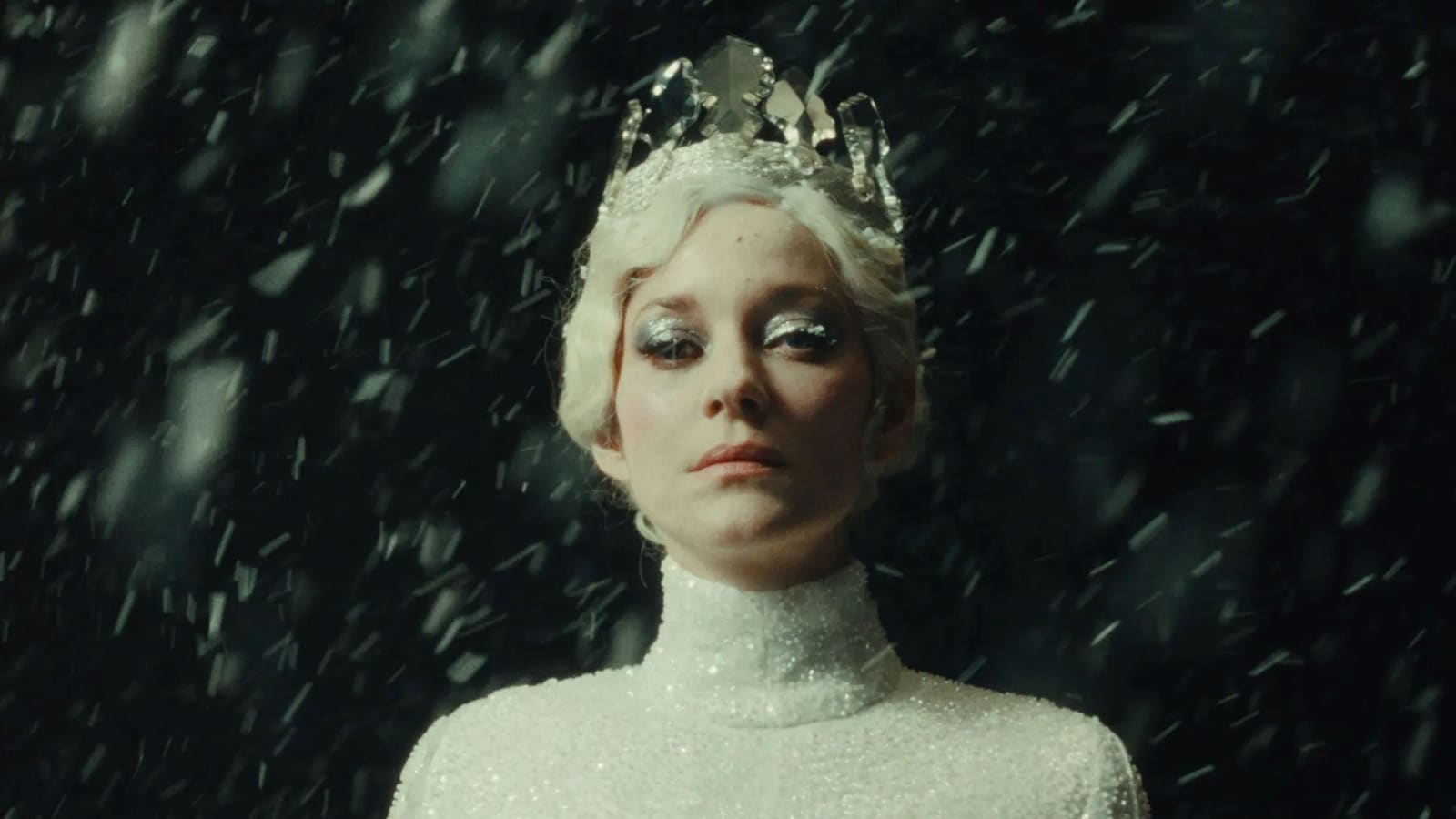
In this eerie Alpine fairytale, teenage Jeanne (Clara Pacini) runs away from her orphanage one night and hides out in a film studio, where she is mistaken for an extra. Here a world-famous actress, Cristine (Marion Cotillard), is working on an adaptation of Hans Christian Andersen’s The Snow Queen, a longtime favourite of Jeanne’s, who would read the story to kids at the home before bed. Cristine, of course, becomes the object of great fascination for Jeanne and the feeling proves mutual, the star giving her a bigger role in the movie when she proves her worth in a difficult scene. But Cristine has problems of her own, and when lines get crossed their strange attraction evolves into something more dangerous. Blurring the lines between fantasy and reality, Lucile Hadzihalilovic’s film is an icy and austere fable whose haunting images linger long in the memory. Cotillard is imperious as the enigmatic Cristine and, as the film’s deeply wounded young protagonist, Pacini has the kind of face that gives you room to dream.
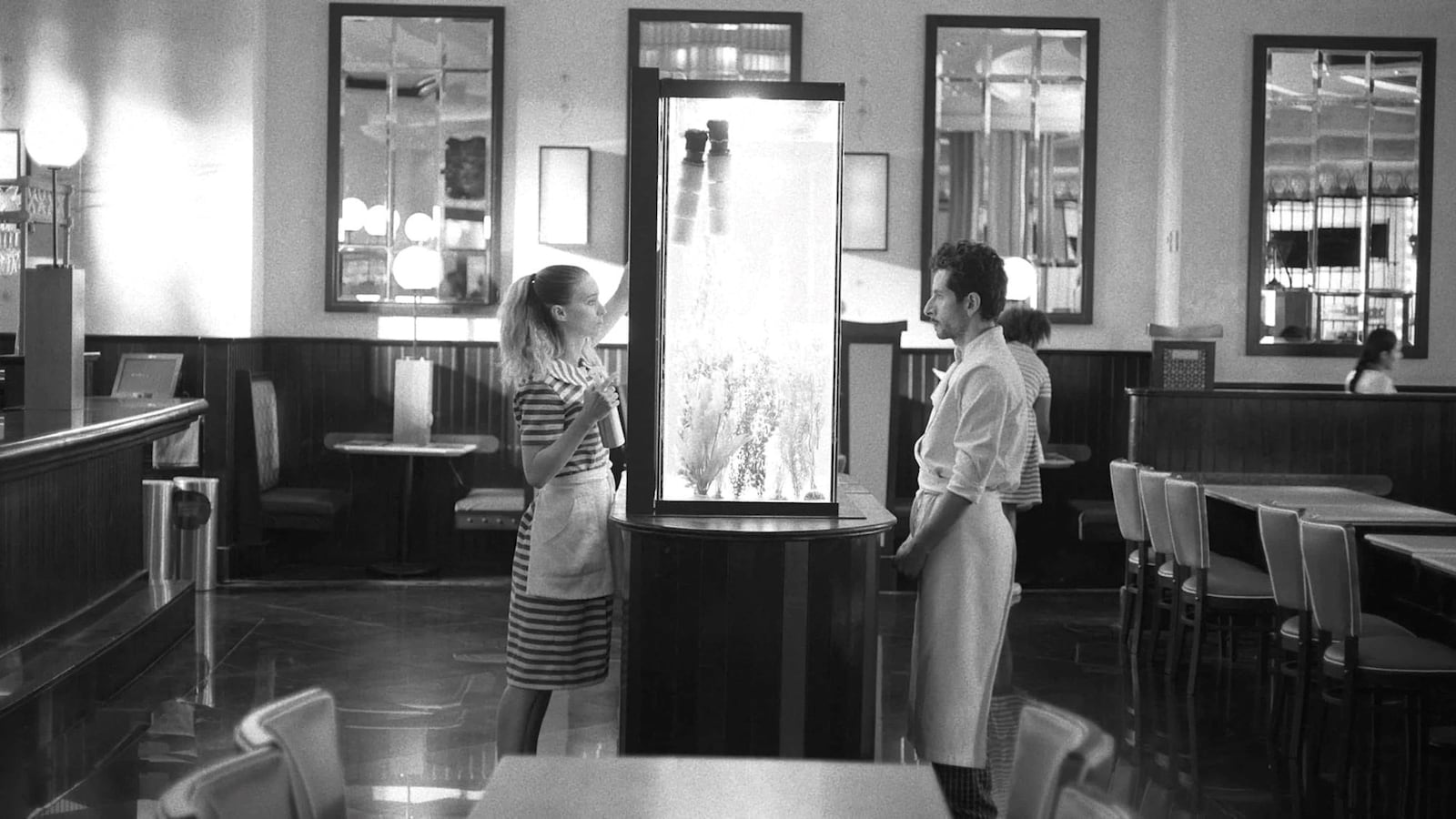
Alonso Ruizpalacios’s pressure-cooker drama tells the story of Pedro (Raúl Briones Carmona), a charismatic but hot tempered Mexican chef working at a Times Square restaurant staffed largely by illegal immigrants. When money goes missing from the till at work one day, Pedro is made prime suspect, having just stumped up the cash for his girlfriend (Rooney Mara) to have an abortion. That’s about as far as the plot goes, but Ruizpalacios’s film comes alive in its depiction of this high-stress world, conducting the chaos through some wonderful, black-and-white cinematography and a script that boils over with life, even as the American dream remains a far away prospect for its cast of exploited workers.
Read our interview with Alonso Ruizpalacios here.
in HTML format, including tags, to make it appealing and easy to read for Japanese-speaking readers aged 20 to 40 interested in fashion. Organize the content with appropriate headings and subheadings (h1, h2, h3, h4, h5, h6), translating all text, including headings, into Japanese. Retain any existing
tags from
Lead ImageSentimental Value, 2025(Film still)
Swapping the party people of his Oslo trilogy for a more mature lens on familial strife, Joachim Trier was at the top of his game with Sentimental Value, drawing perfectly pitched performances from The Worst Person in the World collaborator Renate Reinsve, Stellan Skarsgård and Inga Ibsdotter Lilleaas. Reinsve plays Nora, a theatre actress suffering from stage fright who is rocked by the return of her father, charismatic film director Gustav, when her mum passes away after a long illness. Gustav has an ulterior motive for coming home: a film he wants Nora to perform in, as a character based upon his own late mother, a member of the Norwegian resistance who committed suicide after the war. Nora refuses and swiftly sinks into depression, comforted by her younger sister, Agnes (Lilleaas), who is more forgiving of her father’s sins. Meanwhile Gustav keeps his hopes for the film alive by casting an American, Rachel Kemp (Elle Fanning), in the role originally intended for his daughter. It’s an elegant meditation on art, ageing and the roles we all play within families, shot through with the nuance and feeling Trier brings to all of his work.
Albert Serra’s film about Peruvian matador Andrés Roca Rey was the year’s most ravishing and intense documentary, a hypnotic vision that unflinchingly depicts the cruelty of this ancient bloodsport without stopping to debate the moral outrage that has driven it to the brink of extinction. Instead, we get long takes of the torero at work in the arena, where long-held traditions frequently shade into the bizarre, along with scenes of the bulls being weakened for the fight before their final, agonising death throes. It’s awful to behold at times, but there’s poetry in witnessing any master of their craft at work, and Afternoons of Solitude is lucky enough to have two, in Serra and Rey.
Read our interview with Albert Serra here.
There’s a cuckoo in the nest in Alain Guiraudie’s devious new thriller, which sees young drifter Jérémie (Félix Kysyl) return to his hometown in rural France after the death of his old boss. Having nowhere to stay, Felix is taken in by the deceased’s wife, piquing the interest of a local clergyman and stirring up old grudges with her hot-headed son, Vincent, who tries to warn him away. Finally, Jérémie lashes out in devastating fashion – and that’s when things get truly weird in this wild meditation on guilt, guilt, sex, murder and highly suspicious mushrooms, directed with surprising moral force by a modern master of transgressive cinema.
Read our interview with Alain Guiraudie here.
He may have had us at “Alexander Skarsgård in leather chaps”, but director Harry Lighton had so much more to give in his fabuious feature debut, a BDSM “dom-com” between the Swedish acting hunk and Harry Melling, FKA Dudley Dursley from the Harry Potter films. Melling is wonderful here as Colin, a sweet-natured traffic warden who falls hard for Ray (Skarsgård), an indecently handsome biker with BDSM proclivities. Ray is very specific about how he wants to conduct the relationship, and Colin has an “aptitude for devotion” – will it be enough to see their romantic arrangement blossom into something deeper? Funny, filthy and sweet, Pillion is a rare crowd-pleasing comedy with the courage to leave its rough edges unsanded.
Read our interview with Harry Lighton here.
Josh Safdie shoots for the moon in his first solo outing as director, a wild sports comedy starring Timothée Chalamet as an aspiring ping pong champ with a mouth to match his skills with the bat. Chalamet brings down the house as Marty Mauser, an inveterate schemer who’ll stop at literally nothing to realise his dream of becoming the sport’s first American star – including stealing from his dad, blackmailing a local mafia don for the safe return of his dog, and getting his married girlfriend pregnant before taking off round the world for a tournament he hasn’t been invited to. Safdie and co-writer Ronald Bronstein lean into the absurdity of their premise while staging the action with an admirably straight face, making blockbuster spectacle out of one of the world’s more niche sporting endeavours. But for all its cinematic chutzpah, the show finally belongs to Chalamet, in a career-best turn bridging his early character-driven work with capital-M Movie-star charisma.
Urška Djukić’s first feature was a coming-of-age story with an unusually wise head on its shoulders, evoking Celine Sciamma in its reverent feeling for the trails of girlhood and tender notes of sexual and spiritual yearning. At a Catholic girls retreat in the country, Slovenian choirgirls Lucija (Jara Sofija Ostan) and Ana Maria (Mina Švajger) are drawn to each other by a mutual strangeness they can barely understand – but when the shy and slightly otherworldly Ana Maria is scolded by her bigoted choirmaster one day, a miscommunication sees her isolated from her extroverted new friend, leading her down a different path of self-discovery.
Read our interview with Urška Djukić here.
When car mechanic Vahid (Vahid Mobasseri) kidnaps a man he suspects of being his torturer in jail, he carts him off in the back of his van to meet with his former prisonmates. One by one, he asks them the same question: Is it him? And if it is, what should we do with him? Jafar Panahi’s Palme d’Or winner is a modern-day western with a touch of the Coen brothers at their most bitterly ironic. But its sombre weighing of the traumas inflicted by Iran’s Islamic regime is unmistakably Panahi, who once again faces jail time for his unswerving commitment to his craft.
Read our interview with Jafar Panahi here.
An American epic shot for virtual chump change, Brady Corbet’s ragingly ambitious, three-and-a-half hour opus tells the story of László Toth (Adrien Brody), a Hungarian architect and Holocaust survivor who comes to the US in the wake of the second world war. He finds work through a boorish entrepreneur (Guy Pearce), who commissions him for a monumental new build and helps secure his family’s safe passage to America. But there’s a heavy price to be exacted for their pact, as László discovers when the pair lock horns over his ideas, and age-old prejudice returns to the fore in devastating fashion. Told in broad, exhilarating strokes that culminate in a breathtaking sequence shot in the marble mines of Carrera, Corbet’s film pays timely tribute to the migrants whose vision helped shape American postwar culture, and the traumas intertwined with their stories.
Read our interview with Brady Corbet here.
With Ellis Park, director Justin Kurzel took two seemingly disparate threads – the opening of a new wildlife sanctuary in Sumatra, bankrolled by the musician Warren Ellis, and a journey into Ellis’s own past prompted by a trip to see his ailing parents – and wove them into the year’s most moving documentary. When the Bad Seeds musician and composer found himself at a loose end during Covid, he reached out to animal rights campaigner Femke den Haas, who was looking to open a new park caring for animals rescued from the illegal trafficking trade. Ellis opened up his wallet and heart to the project, sparking reflections on his difficult upbringing as his parents near the end of their own lives. Later, a trip to the park to meet Den Haas for the first time brings all of these reflections on trauma and healing to a head.
Read our interview with Warren Ellis here.
Returning to the suburban stomping grounds of his greatest triumphs, Mike Leigh’s new film is a bleak but stingingly funny study in the loneliness that seems endemic to our times. Marianne Jean-Baptiste plays Pansy, a north London mum coming apart at the seams on the anniversary of her mother’s death. Pansy lives at home with her mild-mannered husband and listless adult son, but is unable to leave the front door most days due to her crippling anxiety, which she channels into arguments with everyone she meets. Only her warm-hearted sister (Michele Austin) seems to bring any relief, but even she can’t seem to shake Pansy from her deep-seated malaise. With wonderful performances and cinematography from the late Dick Pope that throbs with the persistent dull ache of these people’s lives, it’s a welcome return from Leigh, always an astute chronicler of our nation’s mental health. And in Pansy, the highly strung matriarch at its core, the director gives us his most deeply troubling protagonist since Johnny in Naked.
Read our interview with Mike Leigh here.
A father-daughter camping trip goes horribly wrong in India Donaldson’s searching and subtle directorial debut, brought to life by a quietly magnetic turn from newcomer Lily Collias. When Sam (Collias) takes off to the Catskills for a weekend with her dad, Chris (James Le Gros), and best buddy Matt (Danny McCarthy), a sickening moment of impropriety turns the good natured atmosphere on its head. Caught between her own moral compass and a father who can’t quite bring himself to listen, Sam is forced to fend for herself in this sensitively rendered coming-of-age thriller, which serves up an incisive take on themes of male entitlement, gender roles and generation-gap anxieties.
Ryan Coogler’s ability to turn base metal into gold showed no sign of slowing with Sinners, a vampire story set in the Jim Crow south that proved a monster hit at the box office. Gangster twins Elijah ‘Smoke’ and Elias ‘Stack’ Moore – both played by Coogler’s right-hand man, Michael B Jordan – return home to Clarksdale, Mississippi to set up a juke joint for the local townsfolk, bringing in their blues guitar-playing cousin (Miles Caton) as the entertainment. Their first night is a roaring success, until a posse of vampires led by Irish immigrant Remmick (Jack O’Connell) come sniffing round in search of new blood. Worse, it turns out the twins bought the club from a local Klansman, who has plans to round up a lynch mob and torch the place to the ground. Loosely based on (and far surpassing) Robert Rodriguez’s cult horror From Dusk Till Dawn, it’s a singular spin on vampire lore in which the music is the real star, providing the film with its strange, beating heart.
At a reported $150m in the making, Paul Thomas Anderson’s One Battle After Another arrived amid surging anxiety about the future of studio-funded, big-budget filmmaking with an original slant. It’s a weight the film wore incredibly well, despite only moderate box office returns, delivering high-octane thrills and spills while retaining all of the Phantom Thread director’s signature eccentricity. It was also his first film to directly address contemporary concerns, its story of a former revolutionary (Leonardo DiCaprio) in a race against time with the authorities to find his mixed-race daughter (newcomer Chase Infiniti) striking a chord amid the unfolding insanity of Trump’s America.
Read our interview with Chase Infiniti here, and our guide to the films of Paul Thomas Anderson here.
A social realist drama about a drug addicted homeless man’s attempts to rebuild his life after his release from jail, Urchin was not a film you went into expecting a good time – and yet, there’s more joy and humanity in Harris Dickinson’s directorial debut than in a thousand multiplex seat-fillers. Anchored by a wonderfully soulful, shambling turn from Frank Dillane, the film succeeds by taking a resolutely non-judgmental approach to its subject matter, grounding us in its protagonist’s slightly tenuous grip on reality before taking a final, bold plunge into the surreal.
Read our interview with Harris Dickinson and Frank Dillane here.
Danny Boyle’s belated zombie-flick sequel was not a perfect film, not by a long shot. The tonal shifts between gnarly horror and mawkish family drama were too sudden, the hammily directed ending seemingly beamed in from another film entirely. But it was one of the most audacious blockbusters in an age, hungry and alive in a way that most big-studio franchise additions can’t get close to. For that much credit is due to writer Alex Garland, whose story packed survivors from the first zombie apocalypse off to the island of Lindisfarne, connected to the mainland by a causeway accessible only at low tide. It’s a neat premise that ends up giving us some timely reflections on British exceptionalism – is this the first great film about Brexit? – as well as one of the most beautifully staged chase scenes in memory, a psychedelic dash across the causeway with a terrifying zombie in pursuit. Likewise the character of Dr Ian Kelson (Ralph Fiennes), with his sinister bone temple and bright-orange body paint, was a fresh new twist in a genre filled with undead tropes.
Read our interview with Danny Boyle here.
Kelly Reichardt’s 1970s-set crime caper was a film of two halves: the first, a propulsive heist flick in which Massachusetts art major-turned-thief JB Mooney (Josh O’Connor) steals paintings from a gallery; the second, a claustrophobic character study that reveals JB as the sad little man he is – a narcissist who abandons his family in pursuit of a fast buck. It’s a clever sleight-of-hand that allows the director to hark back to the crime thrillers of the American new wave, while stripping them of their mystique in ways only Reichardt can.
Read our interview with Kelly Reichardt here.
Between I’m Still Here and Kleber Mendonça Filho’s upcoming The Secret Agent, Brazil’s been turning out some dynamite political thrillers of late – but for those craving something more unseemly, Motel Destino offered up plenty of bang for your buck. When a young man (Iago Xavier) on the run from criminal gangs washes up at a sex hotel on the outskirts of town, he soon shacks up with the owner’s wife – before hatching a plan that suggests a murderous rage swimming just under the surface of the country’s psyche. Karim Aïnouz’s sweat-soaked noir is a scorching exercise in cinematic style, bathed in Hélène Louvart’s neon-lit photography and scored by the muffled groans of the motel’s clientele.
We’re used to seeing immigrants presented as victims on screen, but what does a life lived in the margins of society do for your own sense of self? Mahdi Fleifel’s tense thriller weighs the human cost of Europe’s refugee crisis in a tale of two cousins hustling to survive on the streets of Athens. Palestinians Chatila (Mahmood Bakri) and Reda (Aram Sabbah) are trying to raise money to make their way to Germany, but when the fragile Chatila spends all their savings on heroin, Reda bets both of their futures on a scam that could end up costing him his soul. It’s a gritty, empathetic watch, narrow in focus but acute in its study of humanity pushed to criminal extremes.
In this eerie Alpine fairytale, teenage Jeanne (Clara Pacini) runs away from her orphanage one night and hides out in a film studio, where she is mistaken for an extra. Here a world-famous actress, Cristine (Marion Cotillard), is working on an adaptation of Hans Christian Andersen’s The Snow Queen, a longtime favourite of Jeanne’s, who would read the story to kids at the home before bed. Cristine, of course, becomes the object of great fascination for Jeanne and the feeling proves mutual, the star giving her a bigger role in the movie when she proves her worth in a difficult scene. But Cristine has problems of her own, and when lines get crossed their strange attraction evolves into something more dangerous. Blurring the lines between fantasy and reality, Lucile Hadzihalilovic’s film is an icy and austere fable whose haunting images linger long in the memory. Cotillard is imperious as the enigmatic Cristine and, as the film’s deeply wounded young protagonist, Pacini has the kind of face that gives you room to dream.
Alonso Ruizpalacios’s pressure-cooker drama tells the story of Pedro (Raúl Briones Carmona), a charismatic but hot tempered Mexican chef working at a Times Square restaurant staffed largely by illegal immigrants. When money goes missing from the till at work one day, Pedro is made prime suspect, having just stumped up the cash for his girlfriend (Rooney Mara) to have an abortion. That’s about as far as the plot goes, but Ruizpalacios’s film comes alive in its depiction of this high-stress world, conducting the chaos through some wonderful, black-and-white cinematography and a script that boils over with life, even as the American dream remains a far away prospect for its cast of exploited workers.
Read our interview with Alonso Ruizpalacios here.
and integrate them seamlessly into the new content without adding new tags. Ensure the new content is fashion-related, written entirely in Japanese, and approximately 1500 words. Conclude with a “結論” section and a well-formatted “よくある質問” section. Avoid including an introduction or a note explaining the process.