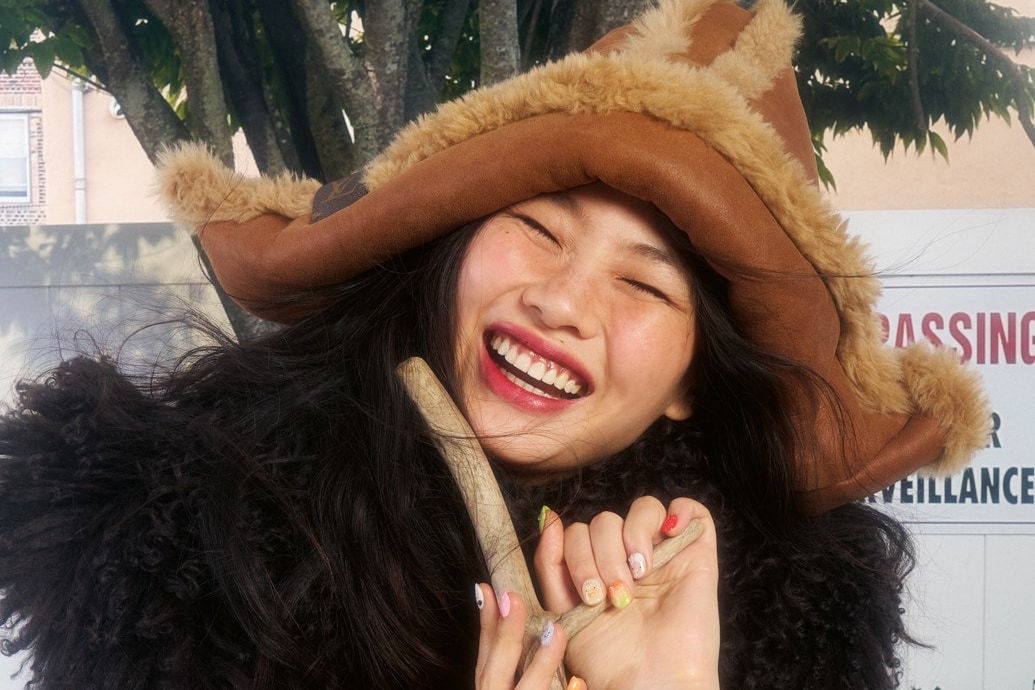
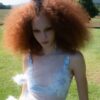
Lead ImageJacket and hat by LOUIS VUITTONPhotography by Roe Ethridge. Styling by Katie Shillingford
The Autumn/Winter 2026 issue of AnOther Magazine, the second celebrating our 25th anniversary year, is about the enduring power of the cliché – embracing and reimagining the familiar. “We all recognise a cliché,” says editor-in-chief Susannah Frankel. Clichés – stemming from the French verb clicher, historically referring to the reusable metal plates, or stereotypes, used to reproduce standard text and illustration in print – “offer a sense of reassurance while always, at their root, short and sharp, retaining truth across centuries and folklore and reminding us of the qualities that make us human. They show us who we are and, at their most meaningful, perhaps who we could be.”
“It is a cliché to dismiss the cliché,” Frankel continues. “For our 51st issue, we have chosen to embrace them in all their archetypes, exemplars and paradigms. In embracing clichés, we also undermine and explode them, our preconceptions shifted through the work of leading luminaries in fashion and culture. We are thankful to the talents who we have collaborated with in the making of this issue, and feel ever fortunate to have done so.”
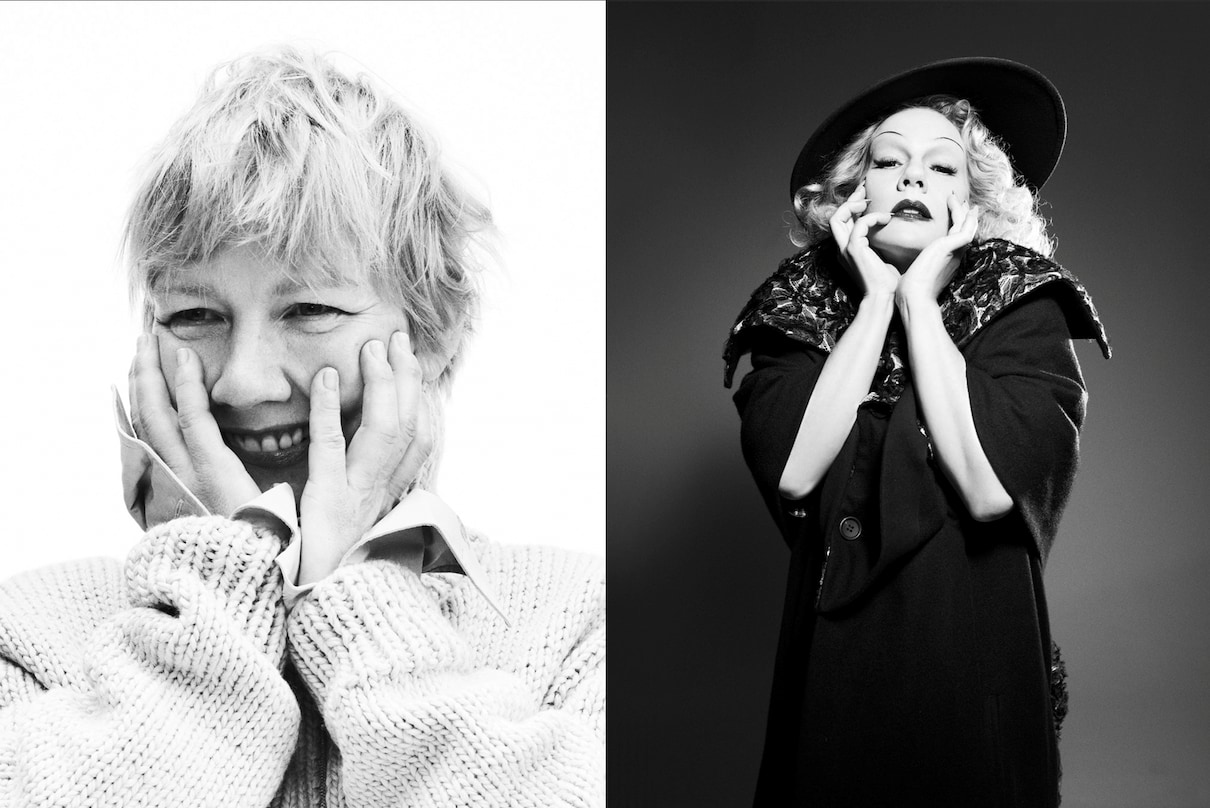
Left: Sandra is wearing a zip-up cardigan in hand-knitted wool and shirt in cotton poplin by PRADA. Right: Coat in wool with embroidered lace and saucer hat in felt by YOHJI YAMAMOTOPhotography by Willy Vanderperre. Styling by Olivier Rizzo
1. Sandra Hüller remains only the third German woman nominated for the Academy Award for best actress: the first was Marlene Dietrich, 95 years ago. For a dual cover, Hüller wears Chanel, first as herself then transformed into the great actor, whose beauty and style is some of the most referenced in fashion history. She is photographed by Willy Vanderperre and styled by Olivier Rizzo. “Sometimes the character tells me very clearly that they don’t want to have anything to do with me, they don’t want to be read or understood,” Hüller tells Hannah Lack, Together, they discuss her rituals for getting into character, growing up in East Germany and the freedom and intensity of her high-wire performances.
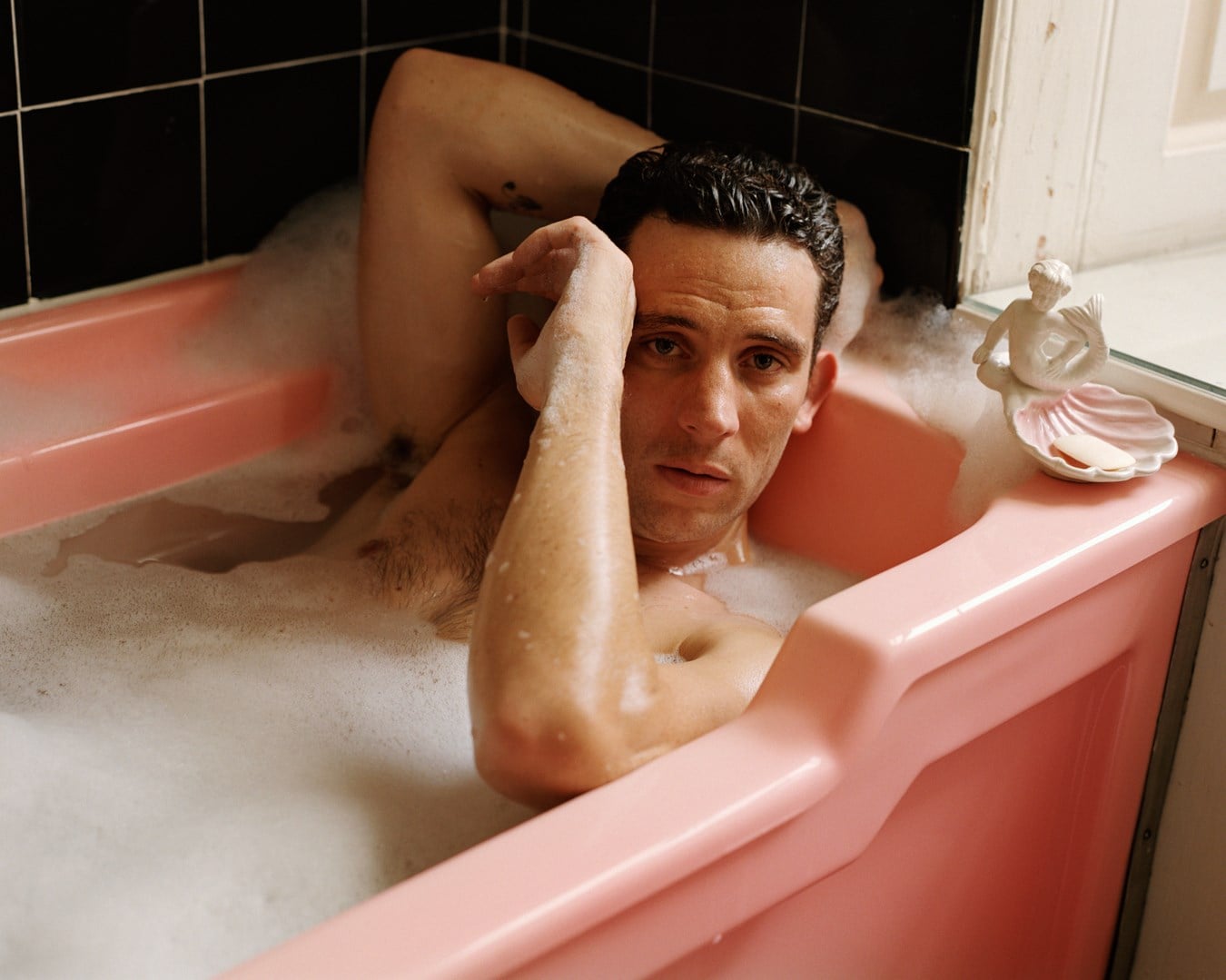
Photography by Alasdair McLellan. Styling by Alister Mackie
2. Josh O’Connor’s reality is reimagined by Alasdair McLellan and Alister Mackie as a cliché of the off-duty matinee idol at his countryside home. Off the back of filming Alice Rohrwacher’s forthcoming movie Three Incestuous Sisters, O’Connor speaks to his co-star Saoirse Ronan about embodying each part, the insecurities of their profession and taking time out.“Every single day you finish work and you go home alone. It’s a very isolating thing,” O’Connor says. “I feel like I’m in a buffer period right now – after finishing a job, I now have to readjust and be Josh. This isn’t me going, ‘I became my character, Paris, in Three Incestuous Sisters.’ But I also did. I think there is a grief that happens. And it’s not just for the character, it’s also for the community that you’ve built, it’s for the place you’ve just lived in. There is a grief or a readjustment. And then there’s just being in your body for a minute, being in your life, and that is a luxury, but it’s also incredibly confusing. You can lose sight of who you are and what that life is.”
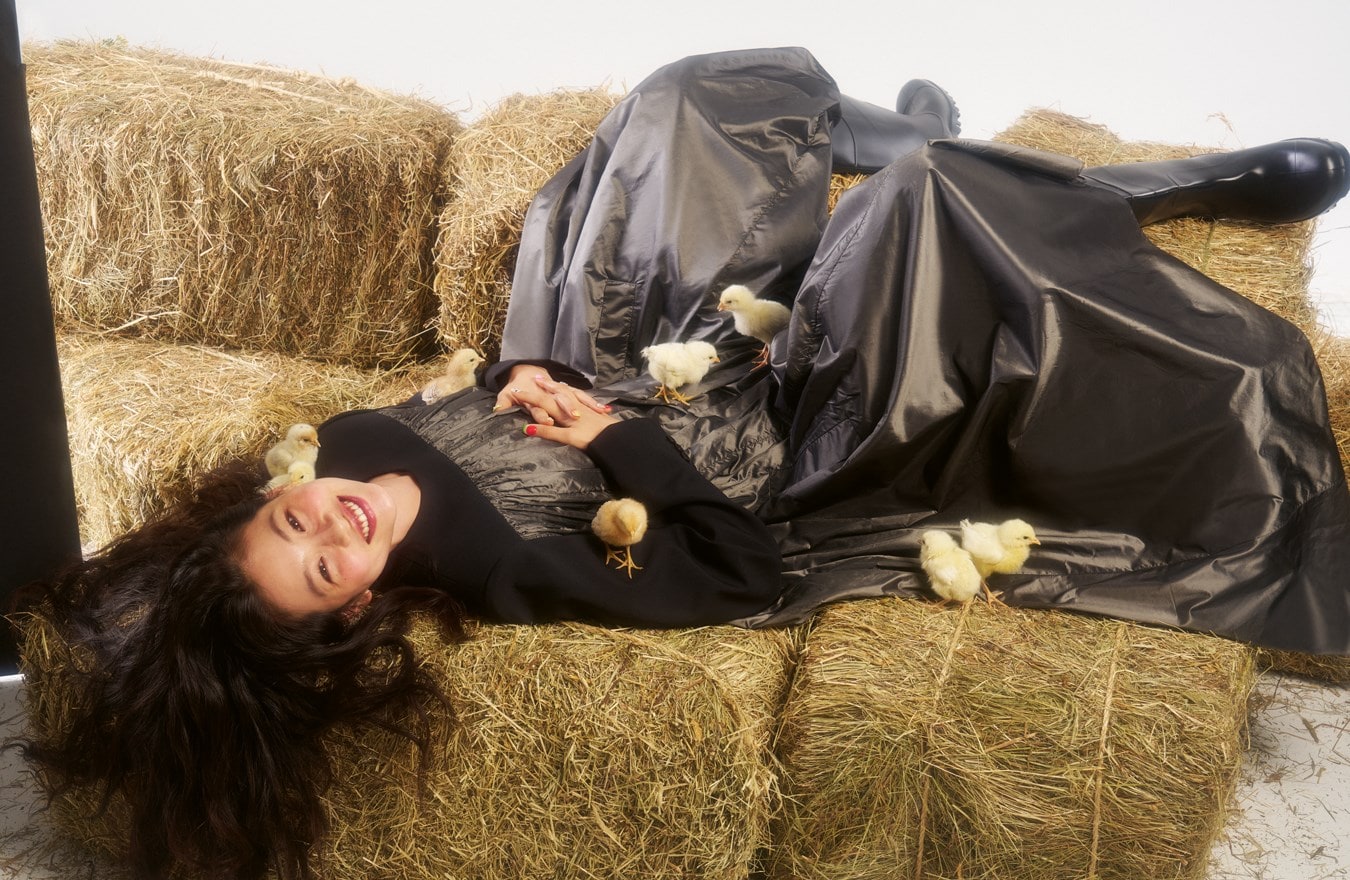
Hoyeon is wearing overalls by LOUIS VUITTONPhotography by Roe Ethridge. Styling by Katie Shillingford
3. Meanwhile Hoyeon, fresh off the runway, returns to our screens once again in Na Hong-jin’s latest feature Hope. Photographed for the issue by Roe Ethridge and styled by Katie Shillingford, she wears Nicolas Ghesquière’s latest Louis Vuitton collection and is joined by baby goats, chicks and puppies. The actor talks to Jack Sunnucks about the cartoonish, calamitous yet surprisingly tender film and taking risks as something that, she says, makes her heart beat. That risk includes doing her own stunts. “From training with firearms to weight training, I gained four kilograms of muscle mass. And for the car-chase scene as well – I used to only drive automatic, but I had to get a licence to drive a manual car. I did race training, drifting, learnt how to do a J-turn. In the beginning it was very scary,” Hoyeon tells Sunnucks, from the back of a car on her way to the airport to unveil the Fifa World Cup Final trophy in the US. “But as I went through it, I realised I was having fun.”
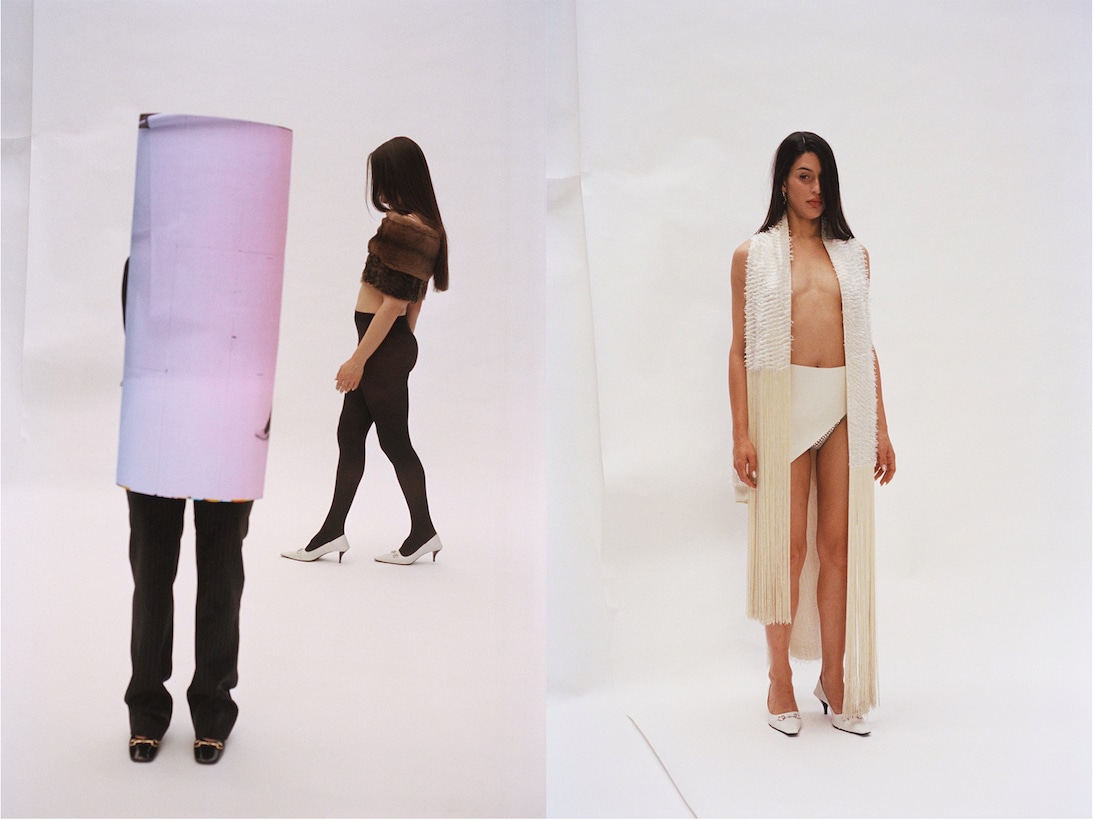
Left: Arca is wearing a bolero and pumps by GUCCI. Tights by CALZEDONIA. Sofia is wearing a flexible LED screen by HONGJI YAN. Jeans and pumps by GUCCI. Right: Dress and scarf (around her waist) by CARVEN.Bikini (just seen) by OSÉREE. Earrings by PARTS OF FOUR. And pumps by GUCCI. Photography by Anders Edström. Styling by Akeem Smith
4. Cover star Arca’s distinctly experimental electronica is revered globally and she has worked on production with artists including Kelela, Frank Ocean and Björk. Following the release of her new album XXXXX – her first in five years – Arca speaks to Connor Garel about letting go, channelling energies for change and mixing for Madonna. “I want to open eyes and hearts,” says the musician, who is photographed for the issue by Anders Edström and styled by Akeem Smith. “Especially to the difficult emotions, because that’s how we become free from being controlled by them and learn to live more intentionally, with more willpower. I don’t want to be a puppet of my fury, or fear, or anger.”
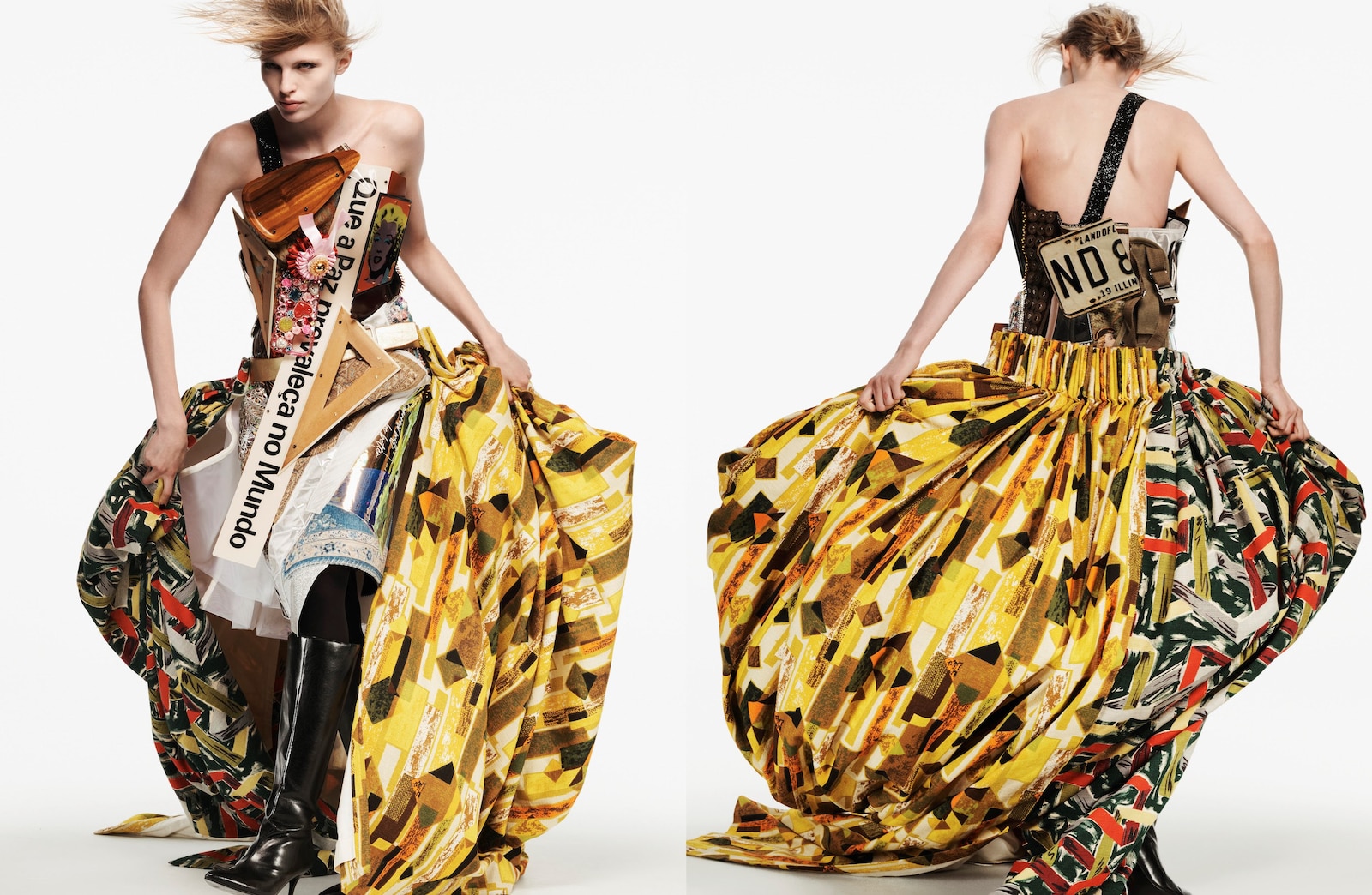
Karolina is wearing a dress and boots by JUNYA WATANABE. Stylist’s own tightsPhotography by Craig McDean. Styling by Katie Shillingford
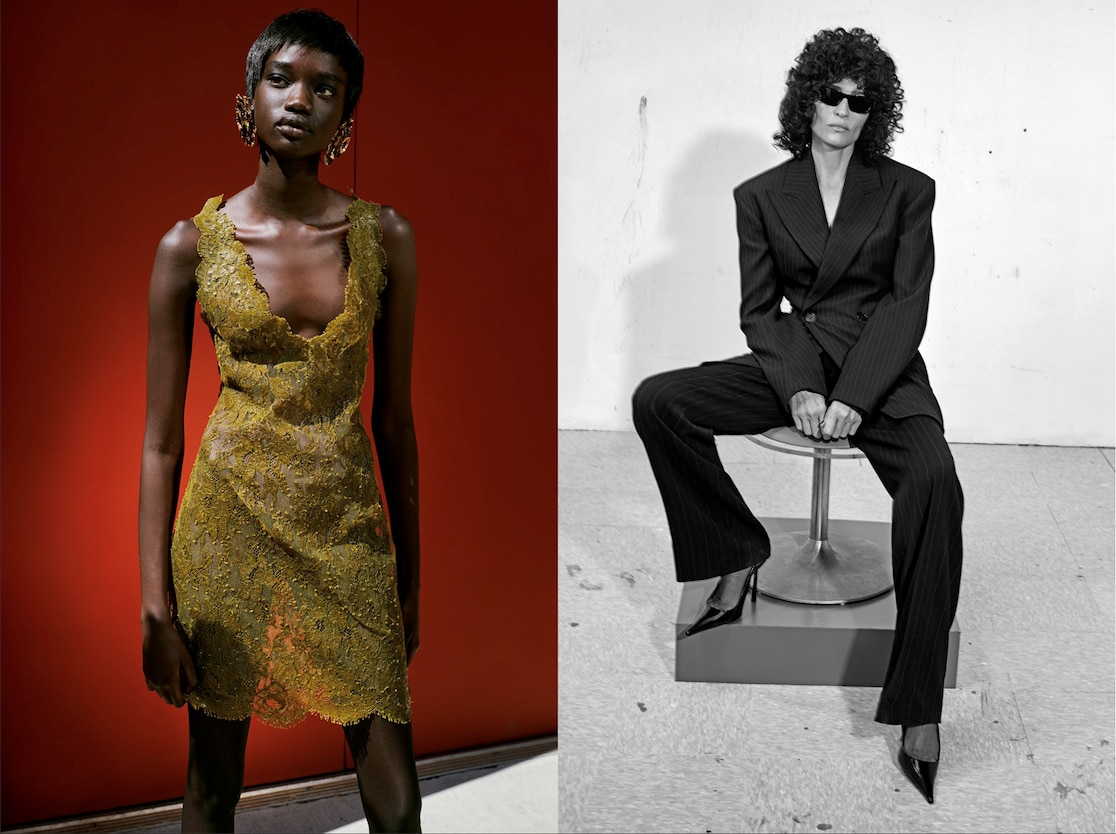
5. “Within fashion, clichés may be seen as known quantities, frameworks to rebel against and work within,” says Frankel. That idea unifies two of the season’s defining visionaries: Junya Watanabe and Saint Laurent’s Anthony Vaccarello. “Both produced a pointedly rebellious yet virtuoso demonstration of the art of fashion – Watanabe reinventing couture silhouettes in a dizzying collage of modern detritus, Vaccarello stripping back the luxury of one of haute couture’s greatest names to a modernist vision of de luxe,” Frankel continues. In a rare interview with the Japanese master, Frankel and Watanabe explore nostalgia, freedom and the emotional resonance behind his clothes. “What is truly new?” Watanabe asks. Pieces that might be best suited to a museum are photographed by Craig McDean and styled by Katie Shillingford in an eclectic collage where modern detritus meets haute couture. Meanwhile, a decade after his debut at the house, Vaccarello speaks to Alexander Fury about reference, his cinematic sensibility, the death of reverence, and his constant reinvention of Yves Saint Laurent’s left-bank legacy. His Saint Laurent collection is photographed by Collier Schorr and styled by Nell Kalonji.
Left: Ruth is wearing a dress, earrings and tights by SAINT LAURENT BY ANTHONY VACCARELLO. Right: Frankie is wearing a jacket, trousers, sunglasses, tights and pumps by SAINT LAURENT BY ANTHONY VACCARELLOPhotography by Collier Schorr. Styling by Nell Kalonji
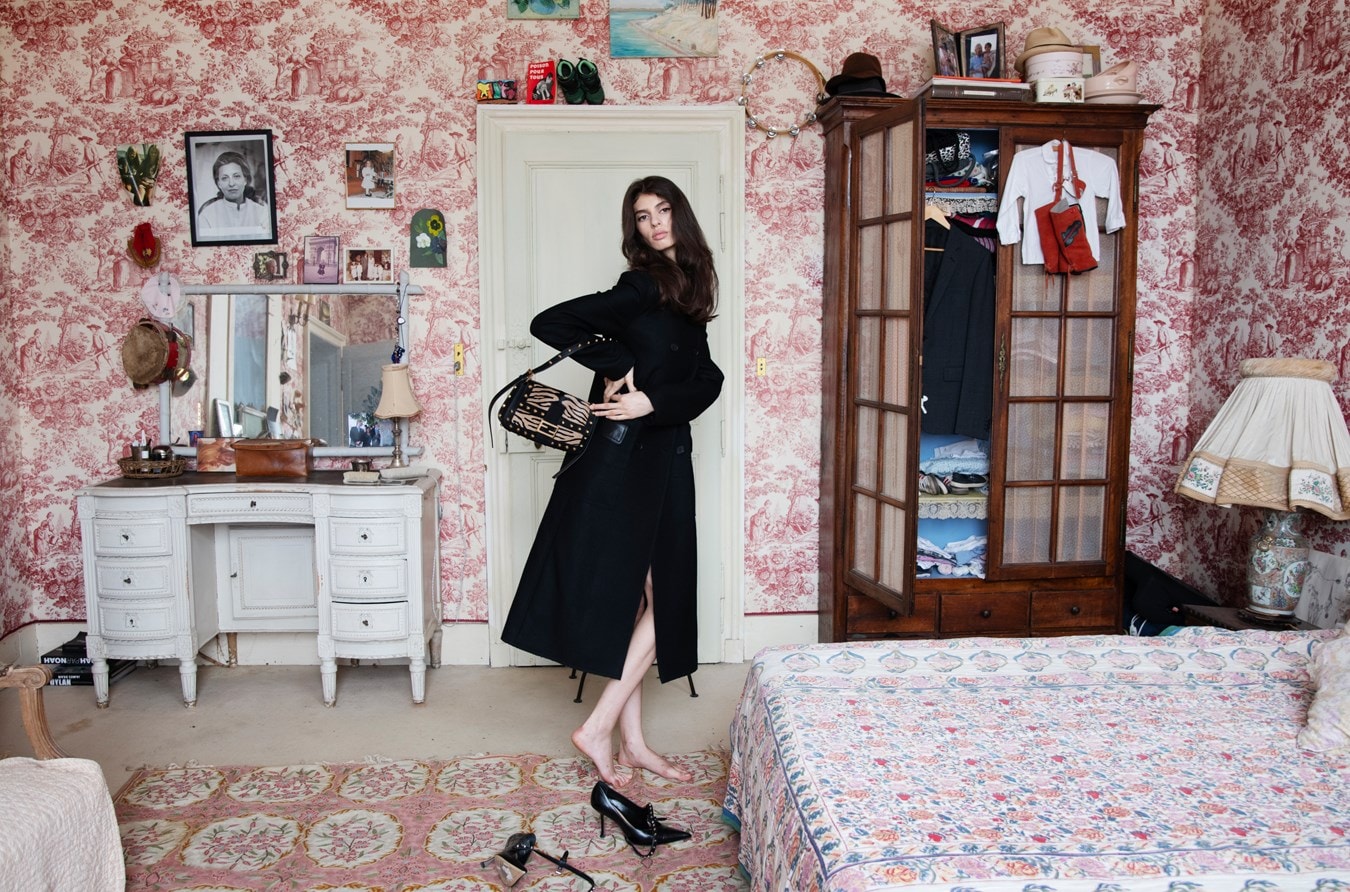
Matilde is wearing a coat, Baguette bag and shoes (on the floor) from the Cruise 2027 collection by FENDIPhotography by Luna Conte. Styling by Hisato Tasaka
6. Simone Rocha speaks to Emma Davidson about the ruffles and ribbons, trefoils and triple-stripes of her latest collaboration with Adidas Originals, photographed for the issue by Charlotte Wales and styled by Robbie Spencer. Panos Yiapanis combines garments from his own personal archive with pieces from Pieter Mulier’s five-year tenure at Alaïa, photographed by Ethan James Green. Marie Valognes and Agata Belcen paint a portrait of strength in Miu Miu, as Carlijn Jacobs and Katie Burnett imagine Chemena Kamali’s Autumn/Winter 2026 collection at Chloé through the lens of folklore and romance – both stories grace our cover. Mark Kean, Esther Theaker, Emma Wyman, Marius W Hansen, Joaquín Laguinge, Luna Conte, Hisato Tasaka, Moni Haworth, Camille Bidault-Waddington, Lina Scheynius, Nell Kalonji, Larissa Hofmann and Raphael Hirsch document the season’s trends, and Rebecca Perlmutar reimagines them for AnOther Way to Wear, thinking about lightness, darkness and reflections, photographed by Nicola and Manuel.
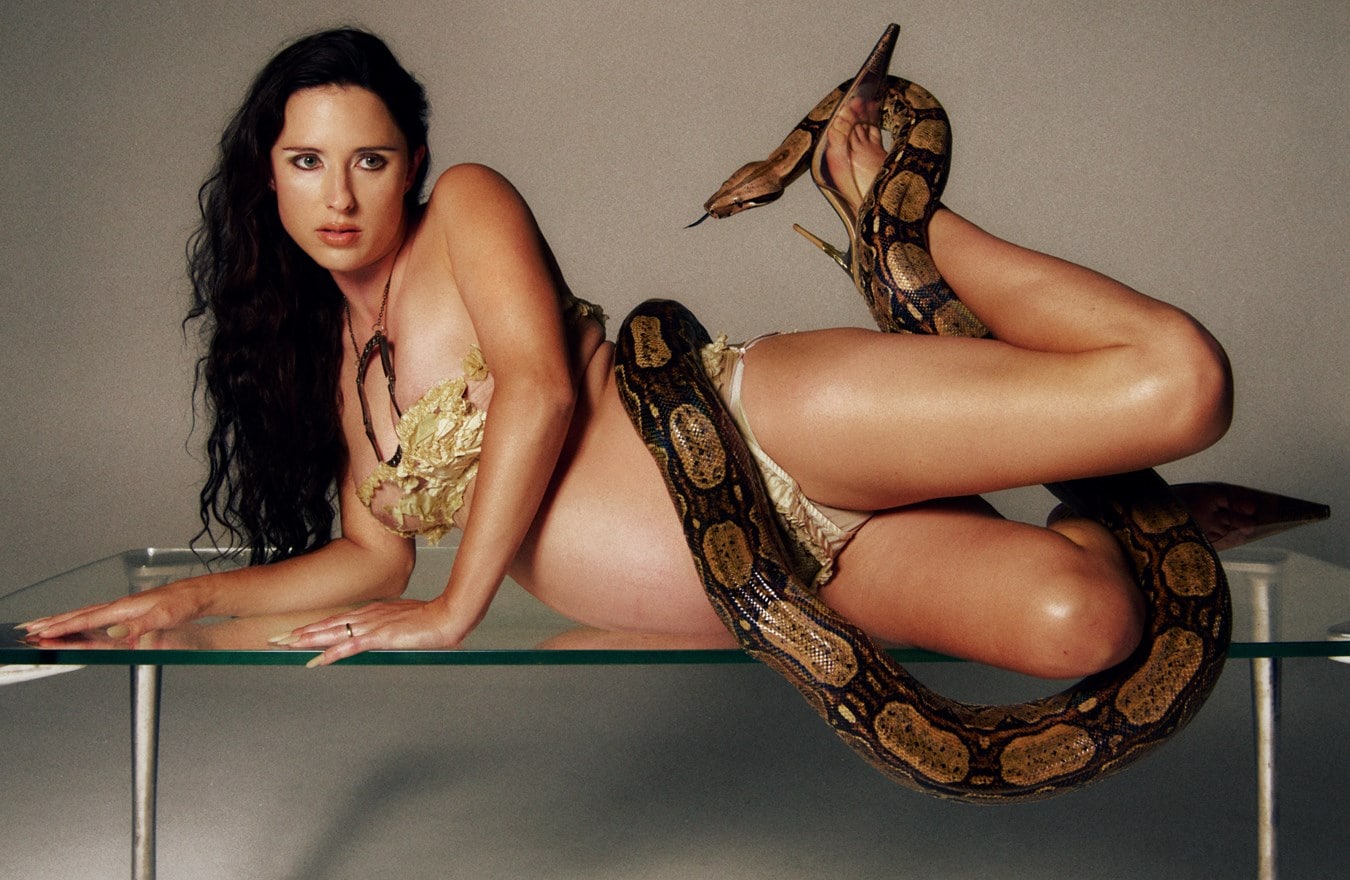
Photography by Harley Weir. Styling by Georgia Pendlebury
7. This issue’s Art Project documents and observes Harley Weir through her pregnancy in a series of self-shot and directed autoportraits, with styling by Georgia Pendlebury. The photographer speaks to Susannah Frankel about the art history cliché of the pregnant female. “So much of what I do is about cliché. The tropes of being a woman are so clichéd,” Weir says. “If you want to put a signal out, it’s as simple as a little make-up and people treat you totally differently – it’s a totally different day, a different mask.”
Photography by Jacob Lillis
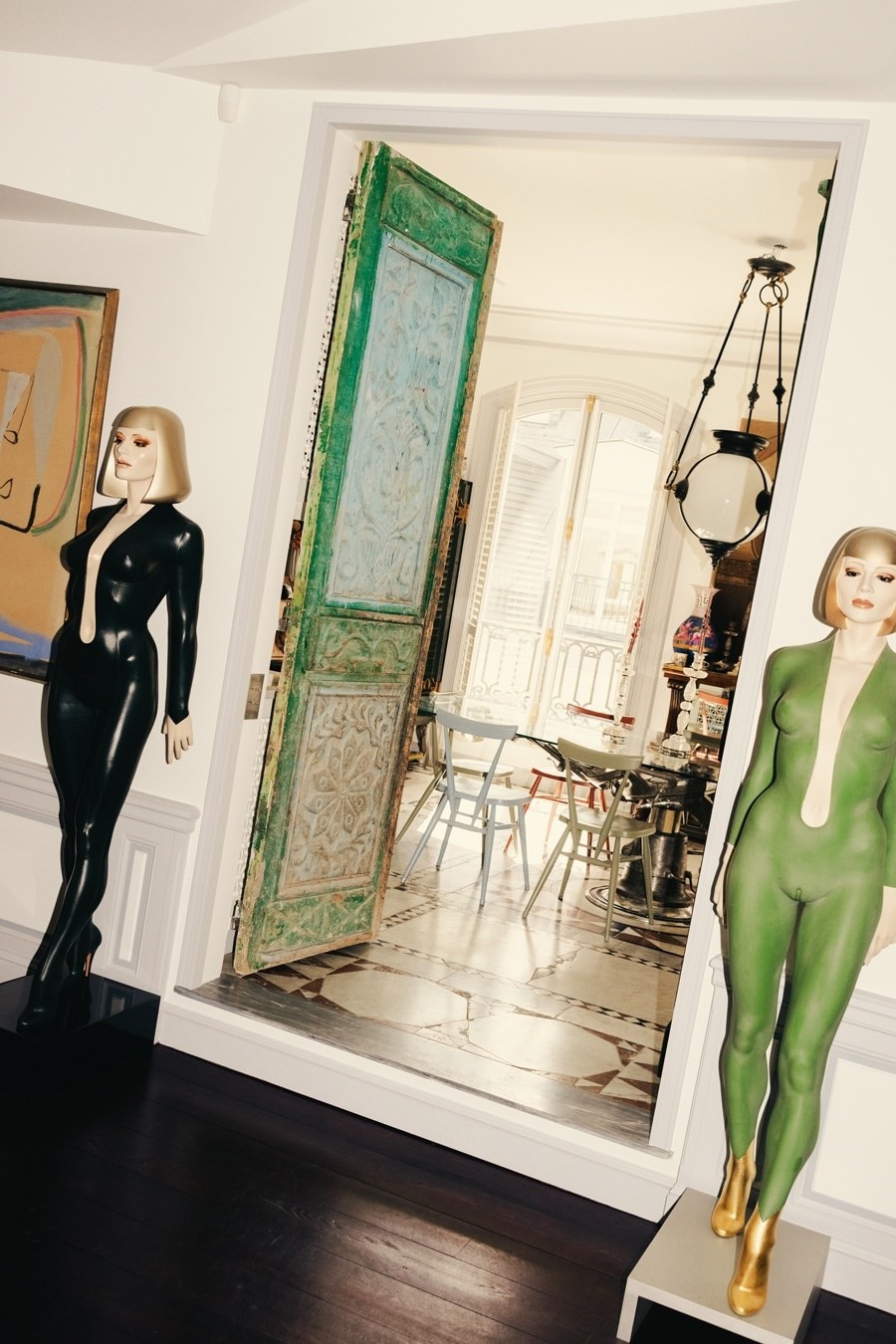
8. Christian Louboutin invites us into the very world in which he fathomed the same shoe that appears on our cover, the clichéd classic La Pigalle. Louboutin speaks to artist, friend and kindred spirit Allen Jones about their individual inspirations and crossover collaborations, femininity and aesthetic. Alongside are photographs of Louboutin’s Paris home, taken by Jacob Lillis. We title this section AnOther World, as he welcomes us into his.
9. For our Document section, we invited one of the most important fashion figures of the past quarter-century to guest-edit, Valentino’s creative director Alessandro Michele. Michele’s anthology brings together a range of excerpts – some classic, others contemporary – from texts including Thomas Mann’s The Magic Mountain, Homer’s Iliad to Han Kang’s The Vegetarian. “For this selection I reached back into my memories and, from the ocean of books there, pulled this list of titles,” Michele says. “I felt I was in therapy because I chose this collection very randomly, but when I look at it all together, I realise my choices are saying very precise things about me.”
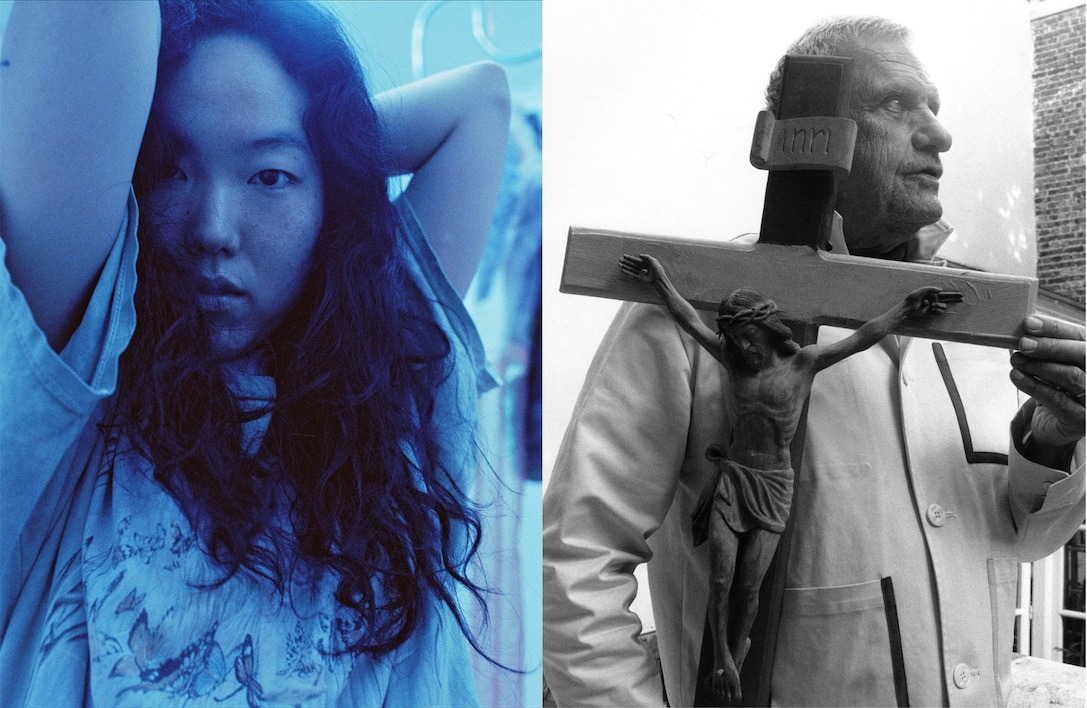
Left: Ji-Min Park. Right: Jean-Charles de CastelbajacPhotography by Sam Khoury
10. This season’s portfolio section, AnOther Thing I Wanted to Tell You …, is photographed by Sam Khoury. Rose Wylie, Jean-Charles de Castelbajac, Arielle Dombasle, Colleen Allen and Ji-min Park are among many other talents who feature, spanning creativity from art to fashion and further.
The Autumn/Winter 2026 issue, marking 25 years of AnOther Magazine, is on sale internationally now. Order here.
in HTML format, including tags, to make it appealing and easy to read for Japanese-speaking readers aged 20 to 40 interested in fashion. Organize the content with appropriate headings and subheadings (h1, h2, h3, h4, h5, h6), translating all text, including headings, into Japanese. Retain any existing tags from
Lead ImageJacket and hat by LOUIS VUITTONPhotography by Roe Ethridge. Styling by Katie Shillingford
The Autumn/Winter 2026 issue of AnOther Magazine, the second celebrating our 25th anniversary year, is about the enduring power of the cliché – embracing and reimagining the familiar. “We all recognise a cliché,” says editor-in-chief Susannah Frankel. Clichés – stemming from the French verb clicher, historically referring to the reusable metal plates, or stereotypes, used to reproduce standard text and illustration in print – “offer a sense of reassurance while always, at their root, short and sharp, retaining truth across centuries and folklore and reminding us of the qualities that make us human. They show us who we are and, at their most meaningful, perhaps who we could be.”
“It is a cliché to dismiss the cliché,” Frankel continues. “For our 51st issue, we have chosen to embrace them in all their archetypes, exemplars and paradigms. In embracing clichés, we also undermine and explode them, our preconceptions shifted through the work of leading luminaries in fashion and culture. We are thankful to the talents who we have collaborated with in the making of this issue, and feel ever fortunate to have done so.”
Left: Sandra is wearing a zip-up cardigan in hand-knitted wool and shirt in cotton poplin by PRADA. Right: Coat in wool with embroidered lace and saucer hat in felt by YOHJI YAMAMOTOPhotography by Willy Vanderperre. Styling by Olivier Rizzo
1. Sandra Hüller remains only the third German woman nominated for the Academy Award for best actress: the first was Marlene Dietrich, 95 years ago. For a dual cover, Hüller wears Chanel, first as herself then transformed into the great actor, whose beauty and style is some of the most referenced in fashion history. She is photographed by Willy Vanderperre and styled by Olivier Rizzo. “Sometimes the character tells me very clearly that they don’t want to have anything to do with me, they don’t want to be read or understood,” Hüller tells Hannah Lack, Together, they discuss her rituals for getting into character, growing up in East Germany and the freedom and intensity of her high-wire performances.
Photography by Alasdair McLellan. Styling by Alister Mackie
2. Josh O’Connor’s reality is reimagined by Alasdair McLellan and Alister Mackie as a cliché of the off-duty matinee idol at his countryside home. Off the back of filming Alice Rohrwacher’s forthcoming movie Three Incestuous Sisters, O’Connor speaks to his co-star Saoirse Ronan about embodying each part, the insecurities of their profession and taking time out.“Every single day you finish work and you go home alone. It’s a very isolating thing,” O’Connor says. “I feel like I’m in a buffer period right now – after finishing a job, I now have to readjust and be Josh. This isn’t me going, ‘I became my character, Paris, in Three Incestuous Sisters.’ But I also did. I think there is a grief that happens. And it’s not just for the character, it’s also for the community that you’ve built, it’s for the place you’ve just lived in. There is a grief or a readjustment. And then there’s just being in your body for a minute, being in your life, and that is a luxury, but it’s also incredibly confusing. You can lose sight of who you are and what that life is.”
Hoyeon is wearing overalls by LOUIS VUITTONPhotography by Roe Ethridge. Styling by Katie Shillingford
3. Meanwhile Hoyeon, fresh off the runway, returns to our screens once again in Na Hong-jin’s latest feature Hope. Photographed for the issue by Roe Ethridge and styled by Katie Shillingford, she wears Nicolas Ghesquière’s latest Louis Vuitton collection and is joined by baby goats, chicks and puppies. The actor talks to Jack Sunnucks about the cartoonish, calamitous yet surprisingly tender film and taking risks as something that, she says, makes her heart beat. That risk includes doing her own stunts. “From training with firearms to weight training, I gained four kilograms of muscle mass. And for the car-chase scene as well – I used to only drive automatic, but I had to get a licence to drive a manual car. I did race training, drifting, learnt how to do a J-turn. In the beginning it was very scary,” Hoyeon tells Sunnucks, from the back of a car on her way to the airport to unveil the Fifa World Cup Final trophy in the US. “But as I went through it, I realised I was having fun.”
Left: Arca is wearing a bolero and pumps by GUCCI. Tights by CALZEDONIA. Sofia is wearing a flexible LED screen by HONGJI YAN. Jeans and pumps by GUCCI. Right: Dress and scarf (around her waist) by CARVEN.Bikini (just seen) by OSÉREE. Earrings by PARTS OF FOUR. And pumps by GUCCI. Photography by Anders Edström. Styling by Akeem Smith
4. Cover star Arca’s distinctly experimental electronica is revered globally and she has worked on production with artists including Kelela, Frank Ocean and Björk. Following the release of her new album XXXXX – her first in five years – Arca speaks to Connor Garel about letting go, channelling energies for change and mixing for Madonna. “I want to open eyes and hearts,” says the musician, who is photographed for the issue by Anders Edström and styled by Akeem Smith. “Especially to the difficult emotions, because that’s how we become free from being controlled by them and learn to live more intentionally, with more willpower. I don’t want to be a puppet of my fury, or fear, or anger.”
Karolina is wearing a dress and boots by JUNYA WATANABE. Stylist’s own tightsPhotography by Craig McDean. Styling by Katie Shillingford
5. “Within fashion, clichés may be seen as known quantities, frameworks to rebel against and work within,” says Frankel. That idea unifies two of the season’s defining visionaries: Junya Watanabe and Saint Laurent’s Anthony Vaccarello. “Both produced a pointedly rebellious yet virtuoso demonstration of the art of fashion – Watanabe reinventing couture silhouettes in a dizzying collage of modern detritus, Vaccarello stripping back the luxury of one of haute couture’s greatest names to a modernist vision of de luxe,” Frankel continues. In a rare interview with the Japanese master, Frankel and Watanabe explore nostalgia, freedom and the emotional resonance behind his clothes. “What is truly new?” Watanabe asks. Pieces that might be best suited to a museum are photographed by Craig McDean and styled by Katie Shillingford in an eclectic collage where modern detritus meets haute couture. Meanwhile, a decade after his debut at the house, Vaccarello speaks to Alexander Fury about reference, his cinematic sensibility, the death of reverence, and his constant reinvention of Yves Saint Laurent’s left-bank legacy. His Saint Laurent collection is photographed by Collier Schorr and styled by Nell Kalonji.
Left: Ruth is wearing a dress, earrings and tights by SAINT LAURENT BY ANTHONY VACCARELLO. Right: Frankie is wearing a jacket, trousers, sunglasses, tights and pumps by SAINT LAURENT BY ANTHONY VACCARELLOPhotography by Collier Schorr. Styling by Nell Kalonji
Matilde is wearing a coat, Baguette bag and shoes (on the floor) from the Cruise 2027 collection by FENDIPhotography by Luna Conte. Styling by Hisato Tasaka
6. Simone Rocha speaks to Emma Davidson about the ruffles and ribbons, trefoils and triple-stripes of her latest collaboration with Adidas Originals, photographed for the issue by Charlotte Wales and styled by Robbie Spencer. Panos Yiapanis combines garments from his own personal archive with pieces from Pieter Mulier’s five-year tenure at Alaïa, photographed by Ethan James Green. Marie Valognes and Agata Belcen paint a portrait of strength in Miu Miu, as Carlijn Jacobs and Katie Burnett imagine Chemena Kamali’s Autumn/Winter 2026 collection at Chloé through the lens of folklore and romance – both stories grace our cover. Mark Kean, Esther Theaker, Emma Wyman, Marius W Hansen, Joaquín Laguinge, Luna Conte, Hisato Tasaka, Moni Haworth, Camille Bidault-Waddington, Lina Scheynius, Nell Kalonji, Larissa Hofmann and Raphael Hirsch document the season’s trends, and Rebecca Perlmutar reimagines them for AnOther Way to Wear, thinking about lightness, darkness and reflections, photographed by Nicola and Manuel.
Photography by Harley Weir. Styling by Georgia Pendlebury
7. This issue’s Art Project documents and observes Harley Weir through her pregnancy in a series of self-shot and directed autoportraits, with styling by Georgia Pendlebury. The photographer speaks to Susannah Frankel about the art history cliché of the pregnant female. “So much of what I do is about cliché. The tropes of being a woman are so clichéd,” Weir says. “If you want to put a signal out, it’s as simple as a little make-up and people treat you totally differently – it’s a totally different day, a different mask.”
Photography by Jacob Lillis
8. Christian Louboutin invites us into the very world in which he fathomed the same shoe that appears on our cover, the clichéd classic La Pigalle. Louboutin speaks to artist, friend and kindred spirit Allen Jones about their individual inspirations and crossover collaborations, femininity and aesthetic. Alongside are photographs of Louboutin’s Paris home, taken by Jacob Lillis. We title this section AnOther World, as he welcomes us into his.
9. For our Document section, we invited one of the most important fashion figures of the past quarter-century to guest-edit, Valentino’s creative director Alessandro Michele. Michele’s anthology brings together a range of excerpts – some classic, others contemporary – from texts including Thomas Mann’s The Magic Mountain, Homer’s Iliad to Han Kang’s The Vegetarian. “For this selection I reached back into my memories and, from the ocean of books there, pulled this list of titles,” Michele says. “I felt I was in therapy because I chose this collection very randomly, but when I look at it all together, I realise my choices are saying very precise things about me.”
Left: Ji-Min Park. Right: Jean-Charles de CastelbajacPhotography by Sam Khoury
10. This season’s portfolio section, AnOther Thing I Wanted to Tell You …, is photographed by Sam Khoury. Rose Wylie, Jean-Charles de Castelbajac, Arielle Dombasle, Colleen Allen and Ji-min Park are among many other talents who feature, spanning creativity from art to fashion and further.
The Autumn/Winter 2026 issue, marking 25 years of AnOther Magazine, is on sale internationally now. Order here.
and integrate them seamlessly into the new content without adding new tags. Ensure the new content is fashion-related, written entirely in Japanese, and approximately 1500 words. Conclude with a “結論” section and a well-formatted “よくある質問” section. Avoid including an introduction or a note explaining the process.