Rewrite
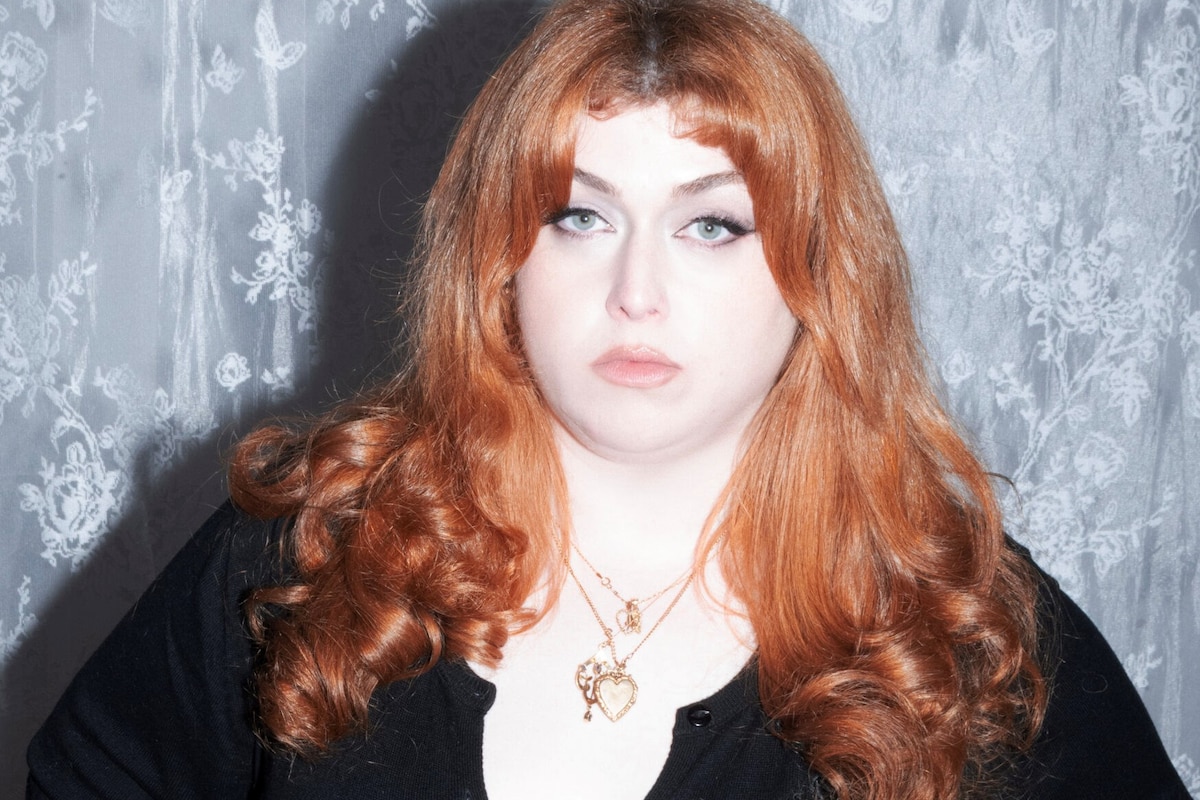
“It’s interesting that taste has become such a hot subject since this book came out,” Polyester Zine’s founding editor-in-chief – and my friend – Ione Gamble tells me over a WhatsApp voice note. The Polyester Book of (Bad) Taste is Gamble’s second published book, but the first created by the wider Polyester team: an anthology of essays exploring its contributors’ relationships with camp and so-called bad taste. Forget Rimowa suitcases, Margiela Tabis and the homogeneity of what is deemed tasteful; turn instead towards reality television, teen magazines and The OC.
“This book being released as taste slop discourse has made me realise how important human connection and shared recommendations are,” says Gamble. The Polyester team knows this, sending members a fortnightly newsletter filled with staff picks. “A lot of us see artefacts as a way to collect with one another rather than a way to flex our good taste or be a signifier of how cultured we are”. Last month, alongside her co-host and best friend Gina Tonic, Gamble dissected the internet’s obsession with taste on the Polyester Podcast. Amid the growing compulsion to signal just how tapped-in you are online, this exploration of taste’s more overlooked corners feels fun and refreshing – like being handed an iced pitcher in the middle of a heatwave.
“All essays in the book are really heartwarming, and they taught me something about taste that I didn’t think of myself,” Gamble admits. “There’s such a broad span of topics from growing up Christian to being a fangirl and reckoning that as an adult,” she adds, referring to pieces by comedian Cat Cohen and former Rookie founder Tavi Gevinson, respectively. Other contributors include Yomi Adegoke, Angela Hui, Sabrina Brier and Kieran Yates, alongside pieces from Polyester staff Lauren O’Neill and Misha MN. The aforementioned Gina Tonic writes about her hatred of poetry.
“The book doesn’t ignore the bad bits of taste,” Gamble explains, referring to the ways taste is shaped by social hierarchies, particularly classism, sexism and racism. “Taste doesn’t have to feel oppressive: it can feel world-expanding and important.” From John Waters to The Real Housewives, Gamble lists some of her favourite beacons of “bad taste” below.
“I was a snob about Bravo shows for years. I’ve always loved reality TV, but the world of housewives just seemed a step too far and too much of a commitment. In the book, I write about how we decide what constitutes our taste and how we discard lowbrow culture as something we enjoy but doesn’t make us who we are – which contributes to the taste hierarchy that is ultimately elitist and snobby. For me, watching the Real Housewives of New York was as influential as discovering any auteur-made film. The original run of RHONY is as effective in portraying female friendships and feuds as any arthouse cinema.”
“I feel like a lot of the writing (by both myself and others) in The Polyester Book of (Bad) Taste is longing for an internet that no longer exists: one that was devoid of algorithms and actually gave us the tools to not only discover our own taste, but to create work for an audience of peers who truly got it and became community. So much of the internet now is miserable and completely commercialised, but one artist that really does give me hope is Mackenzie Thomas. She has the true spirit of an e-girl: her work creates art from oversharing, and she has so much reverence and care for the Internet as a medium that it makes me fall in love with being online all over again.”

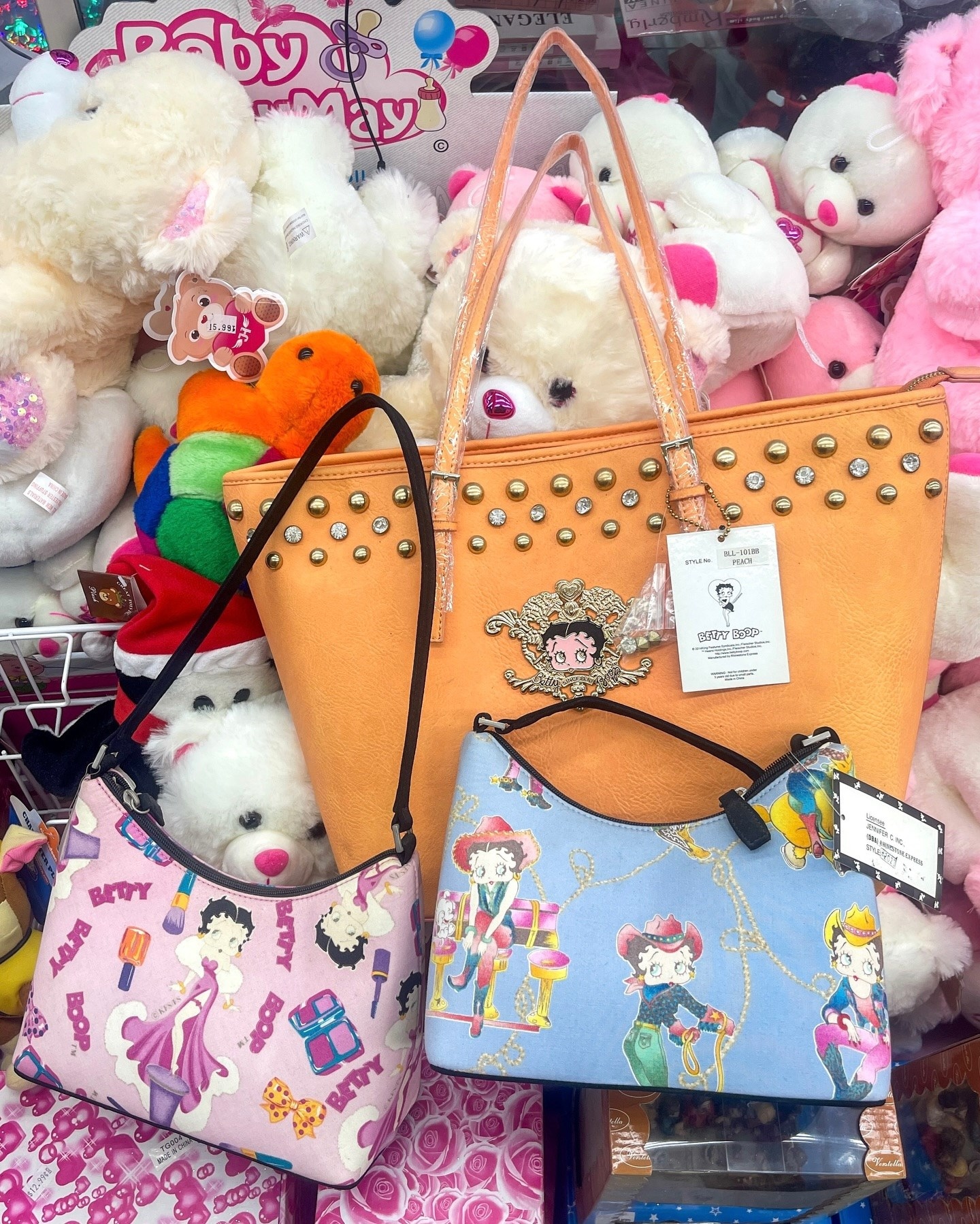
“I’m not saying we should all be gleefully buying throwaway items and contributing to overconsumption, but for working class people in particular discount shops are a window into experimentation and taste making that shouldn’t be ignored. Writer Kieran Yates used her contribution for the book to delve into her love of pound shops and how they were so important to her when constructing an identity. She raises such interesting questions about what we consider wasteful and what we consider tasteful, like why John Lewis kettles are essential to middle-class life, but those who shop at Poundland are contributing to the demise of the planet, even though both are destined for landfill at the end of the day. Another great documentarian of discount stores is the Instagram account Dollar Store Couture, which uses its page to highlight family and small-run discount stores in New York that sell the most amazing deadstock wares.”
“Have Faith in Your Own Bad Taste”, the quote that inspired me to start Polyester, is taken from this book. Obviously his films are iconic and legendary, but I particularly love John Waters non-fiction writing and stand-up comedy for skewering culture so sharply and effectively. He’s recently argued that bad taste has been ruined by the rise of actual fascist forces like Trump and the alt-right co-opting it for their own means, but I would argue, and do so in the book, that the American right is actually an example of no taste. John Waters taught me that to have bad taste is a discernment within itself and a rejection of the status quo, but I believe that no taste (eg. AI slop and mar-a-largo face) is what we should really be worrying about.”
“The internet in 2026 has a dearth of good criticism. Most publications are beholden to their advertisers, and individual journalists retreat from criticising anyone out of fear of being doxxed or attacked by toxic fandoms on Twitter. Amongst all of that is Zarina and Gab, whose project The White Pube has been publishing meaningful and accessible art criticism and writing for over a decade. Zarina wrote an essay in the book that explores kitsch through the lens of WhatsApp stickers but also taught me so much about the origins of kitsch and what it actually means.”
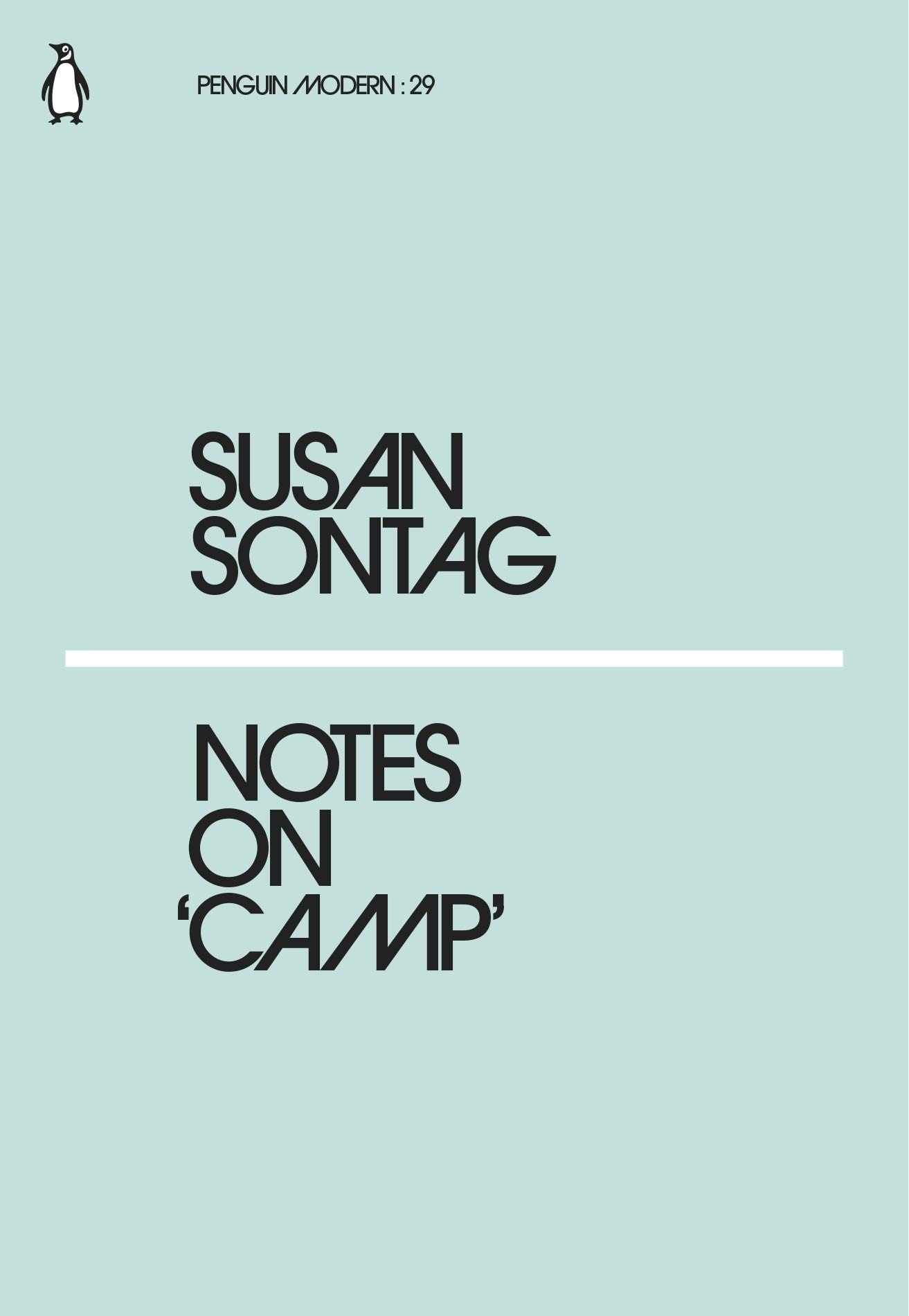
“Obviously this is essentially a classic text at this point, but I remember reading it just after starting Polyester, and it totally put so much of what I was trying to achieve into words and perspective. Often on social media really big ideas and theory can be distilled into a sound bite or piece of content that obscures the actual meaning, I feel like camp has definitely fallen victim to memeification in the last decade. There’s nothing wrong with academic ideas being more accessible because of the internet, but sometimes it is good to go back and read the work (Notes on Camp, in this case) as intended and remember how amazing and world-altering it is.”
“Cat Cohen’s essay in the book is about how becoming a Christian during her teenage years robbed her of developing her taste when most of us do, in adolescence. She writes about how she longed to listen to the OC soundtrack and scroll for hours on Tumblr but was stuck in bible study and listening to Christian rock. The whole essay is such a time capsule of early 2010s teenage hood but also really reminded me of the freedom and lack of curation that comes with developing your taste as a teen.”
“Truly a perfect example of how symbols of ‘bad taste’ such as melodramas or made-for-TV movies can actually be as gut-wrenchingly important as highbrow culture. John Early – who writes, directs, and stars in Maddie’s Secret – was inspired by the much maligned, cult classic Showgirls to create the film, which operates somewhere between a satire of food influencers and a deeply moving exploration of eating disorders. Hilarious and ridiculous while also being totally serious and earnest. Also one of the best-looking films of 2026 and a cinematic breath of fresh air compared to the desaturated cinematography du jour. I love it.”
The Polyester Book of (Bad) Taste is out now. Subscribe to Polyester via their website
in HTML format, including tags, to make it appealing and easy to read for Japanese-speaking readers aged 20 to 40 interested in fashion. Organize the content with appropriate headings and subheadings (h1, h2, h3, h4, h5, h6), translating all text, including headings, into Japanese. Retain any existing
tags from
“It’s interesting that taste has become such a hot subject since this book came out,” Polyester Zine’s founding editor-in-chief – and my friend – Ione Gamble tells me over a WhatsApp voice note. The Polyester Book of (Bad) Taste is Gamble’s second published book, but the first created by the wider Polyester team: an anthology of essays exploring its contributors’ relationships with camp and so-called bad taste. Forget Rimowa suitcases, Margiela Tabis and the homogeneity of what is deemed tasteful; turn instead towards reality television, teen magazines and The OC.
“This book being released as taste slop discourse has made me realise how important human connection and shared recommendations are,” says Gamble. The Polyester team knows this, sending members a fortnightly newsletter filled with staff picks. “A lot of us see artefacts as a way to collect with one another rather than a way to flex our good taste or be a signifier of how cultured we are”. Last month, alongside her co-host and best friend Gina Tonic, Gamble dissected the internet’s obsession with taste on the Polyester Podcast. Amid the growing compulsion to signal just how tapped-in you are online, this exploration of taste’s more overlooked corners feels fun and refreshing – like being handed an iced pitcher in the middle of a heatwave.
“All essays in the book are really heartwarming, and they taught me something about taste that I didn’t think of myself,” Gamble admits. “There’s such a broad span of topics from growing up Christian to being a fangirl and reckoning that as an adult,” she adds, referring to pieces by comedian Cat Cohen and former Rookie founder Tavi Gevinson, respectively. Other contributors include Yomi Adegoke, Angela Hui, Sabrina Brier and Kieran Yates, alongside pieces from Polyester staff Lauren O’Neill and Misha MN. The aforementioned Gina Tonic writes about her hatred of poetry.
“The book doesn’t ignore the bad bits of taste,” Gamble explains, referring to the ways taste is shaped by social hierarchies, particularly classism, sexism and racism. “Taste doesn’t have to feel oppressive: it can feel world-expanding and important.” From John Waters to The Real Housewives, Gamble lists some of her favourite beacons of “bad taste” below.
“I was a snob about Bravo shows for years. I’ve always loved reality TV, but the world of housewives just seemed a step too far and too much of a commitment. In the book, I write about how we decide what constitutes our taste and how we discard lowbrow culture as something we enjoy but doesn’t make us who we are – which contributes to the taste hierarchy that is ultimately elitist and snobby. For me, watching the Real Housewives of New York was as influential as discovering any auteur-made film. The original run of RHONY is as effective in portraying female friendships and feuds as any arthouse cinema.”
“I feel like a lot of the writing (by both myself and others) in The Polyester Book of (Bad) Taste is longing for an internet that no longer exists: one that was devoid of algorithms and actually gave us the tools to not only discover our own taste, but to create work for an audience of peers who truly got it and became community. So much of the internet now is miserable and completely commercialised, but one artist that really does give me hope is Mackenzie Thomas. She has the true spirit of an e-girl: her work creates art from oversharing, and she has so much reverence and care for the Internet as a medium that it makes me fall in love with being online all over again.”
“I’m not saying we should all be gleefully buying throwaway items and contributing to overconsumption, but for working class people in particular discount shops are a window into experimentation and taste making that shouldn’t be ignored. Writer Kieran Yates used her contribution for the book to delve into her love of pound shops and how they were so important to her when constructing an identity. She raises such interesting questions about what we consider wasteful and what we consider tasteful, like why John Lewis kettles are essential to middle-class life, but those who shop at Poundland are contributing to the demise of the planet, even though both are destined for landfill at the end of the day. Another great documentarian of discount stores is the Instagram account Dollar Store Couture, which uses its page to highlight family and small-run discount stores in New York that sell the most amazing deadstock wares.”
“Have Faith in Your Own Bad Taste”, the quote that inspired me to start Polyester, is taken from this book. Obviously his films are iconic and legendary, but I particularly love John Waters non-fiction writing and stand-up comedy for skewering culture so sharply and effectively. He’s recently argued that bad taste has been ruined by the rise of actual fascist forces like Trump and the alt-right co-opting it for their own means, but I would argue, and do so in the book, that the American right is actually an example of no taste. John Waters taught me that to have bad taste is a discernment within itself and a rejection of the status quo, but I believe that no taste (eg. AI slop and mar-a-largo face) is what we should really be worrying about.”
“The internet in 2026 has a dearth of good criticism. Most publications are beholden to their advertisers, and individual journalists retreat from criticising anyone out of fear of being doxxed or attacked by toxic fandoms on Twitter. Amongst all of that is Zarina and Gab, whose project The White Pube has been publishing meaningful and accessible art criticism and writing for over a decade. Zarina wrote an essay in the book that explores kitsch through the lens of WhatsApp stickers but also taught me so much about the origins of kitsch and what it actually means.”
“Obviously this is essentially a classic text at this point, but I remember reading it just after starting Polyester, and it totally put so much of what I was trying to achieve into words and perspective. Often on social media really big ideas and theory can be distilled into a sound bite or piece of content that obscures the actual meaning, I feel like camp has definitely fallen victim to memeification in the last decade. There’s nothing wrong with academic ideas being more accessible because of the internet, but sometimes it is good to go back and read the work (Notes on Camp, in this case) as intended and remember how amazing and world-altering it is.”
“Cat Cohen’s essay in the book is about how becoming a Christian during her teenage years robbed her of developing her taste when most of us do, in adolescence. She writes about how she longed to listen to the OC soundtrack and scroll for hours on Tumblr but was stuck in bible study and listening to Christian rock. The whole essay is such a time capsule of early 2010s teenage hood but also really reminded me of the freedom and lack of curation that comes with developing your taste as a teen.”
“Truly a perfect example of how symbols of ‘bad taste’ such as melodramas or made-for-TV movies can actually be as gut-wrenchingly important as highbrow culture. John Early – who writes, directs, and stars in Maddie’s Secret – was inspired by the much maligned, cult classic Showgirls to create the film, which operates somewhere between a satire of food influencers and a deeply moving exploration of eating disorders. Hilarious and ridiculous while also being totally serious and earnest. Also one of the best-looking films of 2026 and a cinematic breath of fresh air compared to the desaturated cinematography du jour. I love it.”
The Polyester Book of (Bad) Taste is out now. Subscribe to Polyester via their website
and integrate them seamlessly into the new content without adding new tags. Ensure the new content is fashion-related, written entirely in Japanese, and approximately 1500 words. Conclude with a “結論” section and a well-formatted “よくある質問” section. Avoid including an introduction or a note explaining the process.